
Reviewed · PARACAS & BALLESTAS ISLANDS
From San Martin Port: Ballestas Island & Paracas Reserve
Two islands, one desert, and a lot of wildlife. This is the classic Paracas combo: Ballestas Islands by speedboat plus time in Paracas National Reserve with desert viewpoints and beaches.
I especially like the mix of spectacle and story. You cruise past the Candelabro geoglyph (about 180 meters long, around 2,500 years old), then spend real time spotting sea lions, pelicans, boobies, and Humboldt penguins. In Paracas, you get the interpretation center, fossils, and stops like the Cathedral rock viewpoint and Red Beach.
The main drawback to plan around is language and logistics. Transfers use only a Spanish-speaking driver, and the experience can feel chaotic at the boat-queue stage unless everything runs smoothly.
In This Review
- Key things to know before you go
- Why Ballestas and Paracas together feels efficient
- The San Martín Port start: quick transfer, lots of waiting risk
- Speedboat to Ballestas: Candelabro first, wildlife next
- Wildlife spotting that actually includes the fun characters
- The guided reserve portion: fossils, desert viewpoints, and named sights
- Price and value: what $74 really buys (and what it doesn’t)
- Language and organization: plan for Spanish on transfers
- What to pack for a coast-to-desert half day
- Who this tour suits best (and who should skip it)
- Should you book this Ballestas and Paracas tour?
- FAQ
- FAQ
- How long is the tour from San Martín Port to Ballestas and Paracas?
- Where does the tour start and end?
- What’s included in the price?
- What is not included?
- Is there an English-speaking guide?
- What should I bring for the day?
Key things to know before you go
- A tight 5-hour plan: speedboat time plus just enough Paracas desert to make the big stops worth it.
- Candelabro en route: a long, old geoglyph linked (by some studies) to the Nazca Lines.
- Wildlife viewing focus: you’re watching birds that rely on guano, plus marine mammals close to shore.
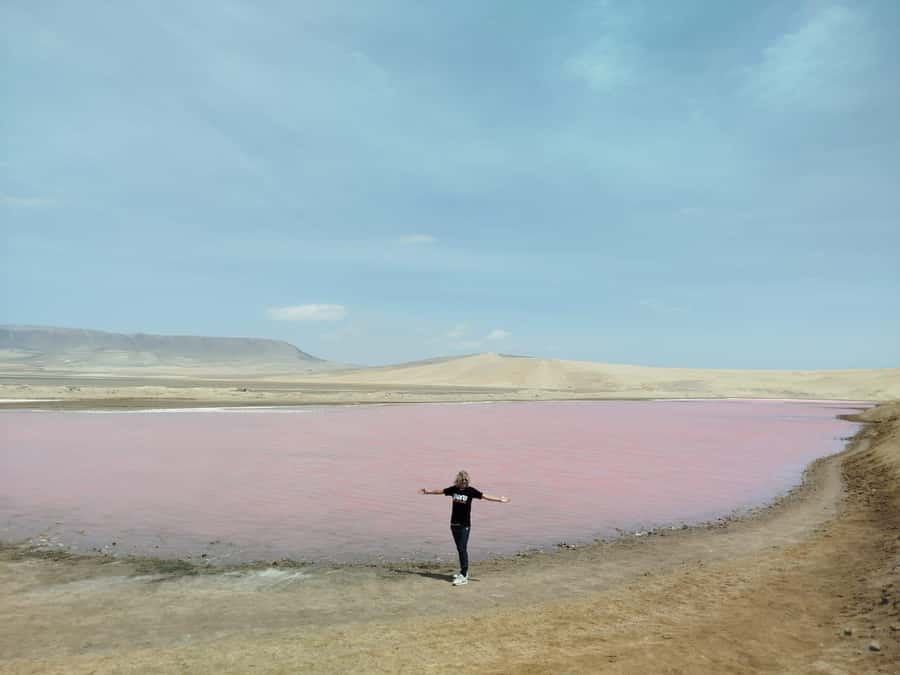
- Paracas highlights are real named stops: Cathedral viewpoint, Red Beach, and Lagunillas fishing resort beach time.
- Entrance fees are extra: S/ 22 per person payable locally.
- Language can vary by segment: the guided tour is in Spanish and English, but transfers are Spanish only.
Why Ballestas and Paracas together feels efficient
This tour works because it targets two different kinds of scenery that are both hard to recreate on your own. Ballestas delivers ocean wildlife right away, while Paracas shifts gears into desert textures, rock formations, and coastal beaches.
You also get a built-in pacing system. The boat segment is designed for spotting animals, and then the bus/coach takes you to the reserve where the emphasis becomes viewpoints and short guided interpretation. With only a half day to spend, that structure matters.
The price point is about what you’d expect for a speedboat + guided reserve outing. At $74 per person, you’re paying mainly for time on the water and local guiding, not for luxury. Then there’s the one extra line-item: entrance fees (S/ 22), which you pay locally.
More Ballestas boat runs and Paracas reserve days



The San Martín Port start: quick transfer, lots of waiting risk
Everything begins at Terminal Portuario General San Martín. After a short bus/coach ride (about 20 minutes), you reach the El Chaco pier area, where you meet the group and board the speedboat.
This is where you’ll want to manage expectations. In practice, boat departures can involve queues, and the flow can feel a bit chaotic when many groups converge. That doesn’t mean the tour is bad, but it can change how relaxed the morning feels.
One practical tip: come with patience and snacks ready. The tour doesn’t include food and drinks, so if you’re the type who gets cranky when you’re hungry, pack something simple. And keep cash on hand for the local fee later.
Speedboat to Ballestas: Candelabro first, wildlife next
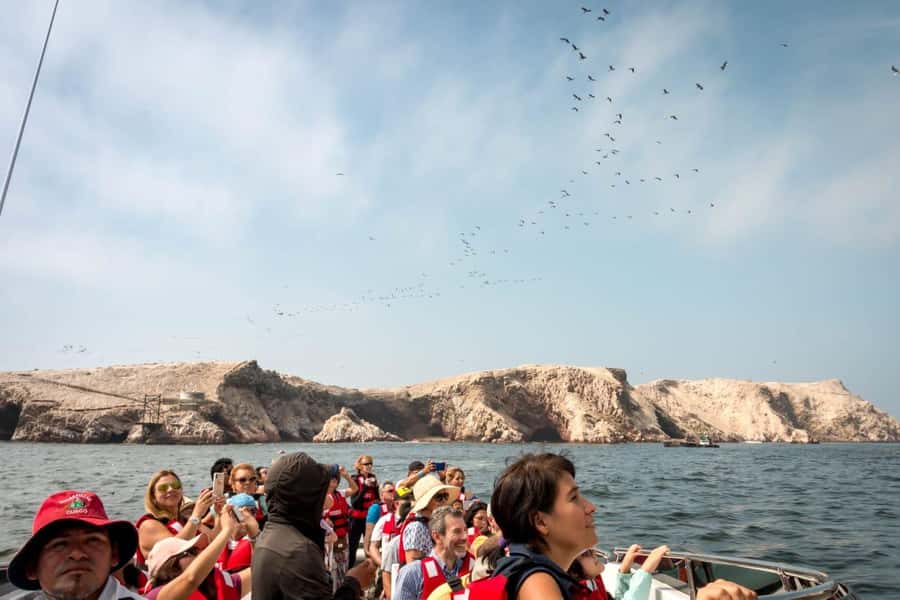
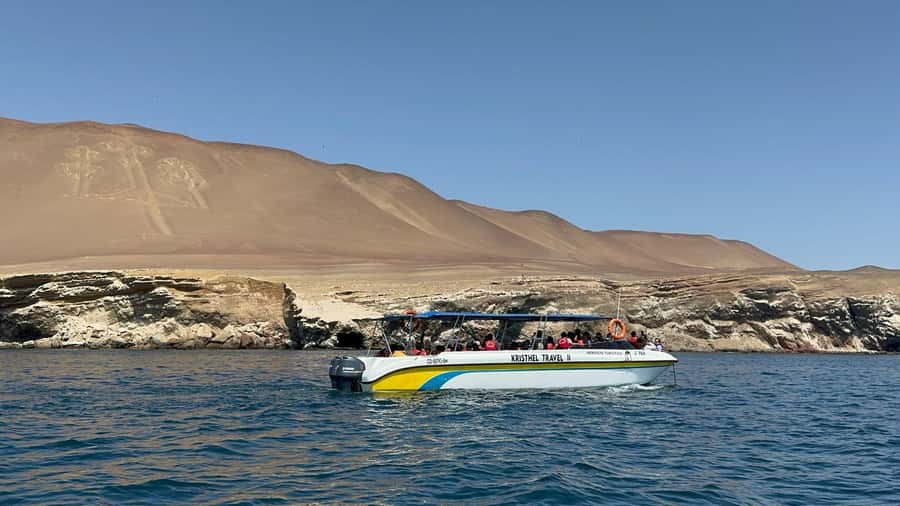
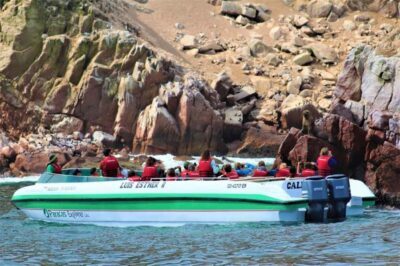
Once you’re on the water, the pacing is straightforward. You head toward the Ballestas Islands and get a notable stop along the route: the Candelabro geoglyph.
This marker is huge for something most people only see in photos. It’s described as about 180 meters long and roughly 2,500 years old, and its exact purpose remains unknown. Some studies suggest a connection to the Nazca Lines, which is one reason this stop feels more than decorative. You’re not just cruising; you’re getting historical context while you scan the sea for birds.
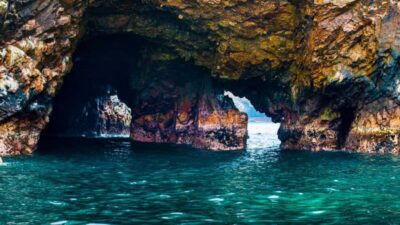
After that, the mood shifts to wildlife. Ballestas is an ocean-side reserve with striking geology and lots of animals in motion. This is where you’ll enjoy the boat’s vantage point most—animals are easier to spot when you’re moving slowly enough to look, but far enough out to see the big patterns.
Wildlife spotting that actually includes the fun characters
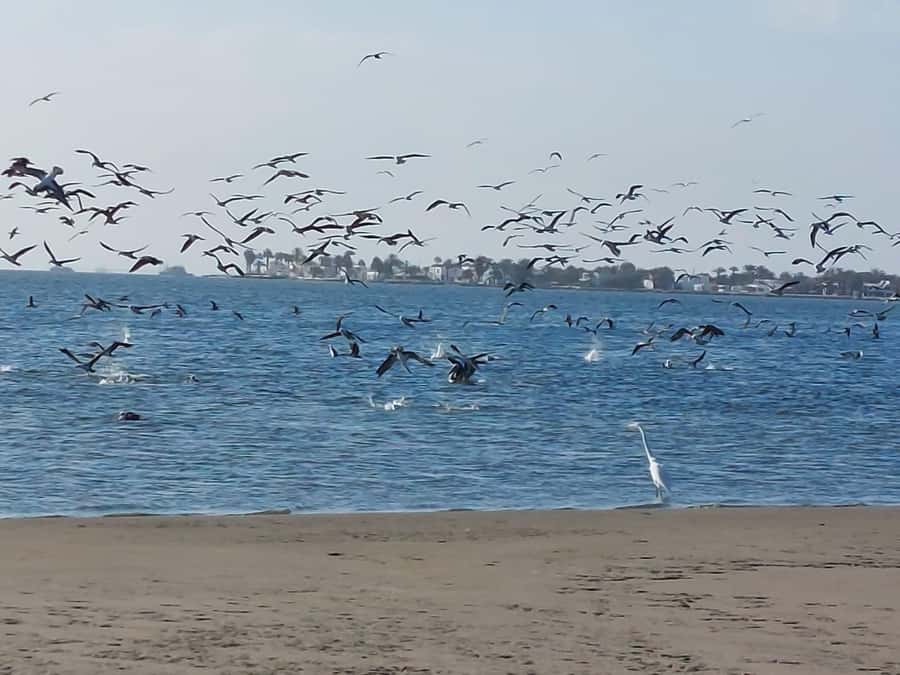
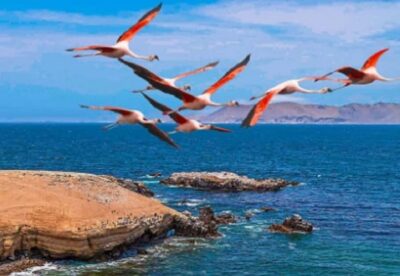
This tour is built around real animal viewing, and the list isn’t just generic. On the Ballestas segment, you can look for boobies, pelicans, sea lions, and Humboldt penguins. The islands are also known for having a huge concentration of birds, including migratory species.
What I like is that the tour doesn’t stop at “look at birds.” It explains why those birds are there. Ballestas is famous for guano, described as the world’s best natural fertilizer. That matters because it ties the animal presence to the ecosystem and the seabird lifestyle.
As you watch, you may get the chance to spot guano birds such as the Peruvian booby, the Peruvian diving-petrel, and the Guanay cormorant. Even if you don’t catch every species name in the moment, you’ll come away with a clearer idea of how the reserve works.
One more practical note: bring sunglasses and a windbreaker. The coast can feel cool and sharp even when the sun is out, and you’ll be looking left and right while the boat moves.
- From Lima: Ballestas Islands and Huacachina Sunset Day Trip★ 4.7 · 113 reviews
- Mini Buggy GO KART in Paracas National Reserve★ 4.8 · 98 reviews
- 2-Hour Tour to the Ballestas Islands from Puerto San Martín★ 5.0 · 96 reviews
- Paragliding Flight at Paracas National Reservation★ 5.0 · 84 reviews
The guided reserve portion: fossils, desert viewpoints, and named sights
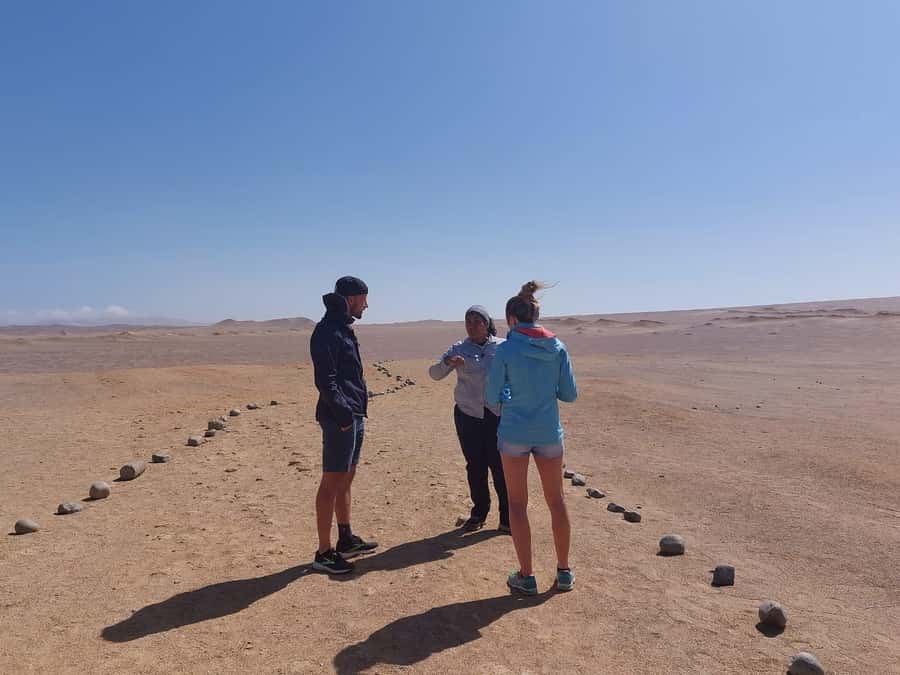
After returning to the pier and disembarking, the tour heads to Paracas National Reserve. The time here is about 100 minutes with visits, guided tour time, and sightseeing.
First stop is the interpretation center. This is where you learn about flora and fauna in the reserve and see marine fossils that tell stories about the area’s older past. If you’re the type who loves photos but also wants meaning behind them, this center gives your later viewpoints context.
Then you travel through the desert to a viewpoint for the Cathedral rock formation. The formation is described as iconic and recognized as a World Heritage Site. It was damaged in an earthquake in 2007, but it still looks powerful, like you can feel the force even after the break.
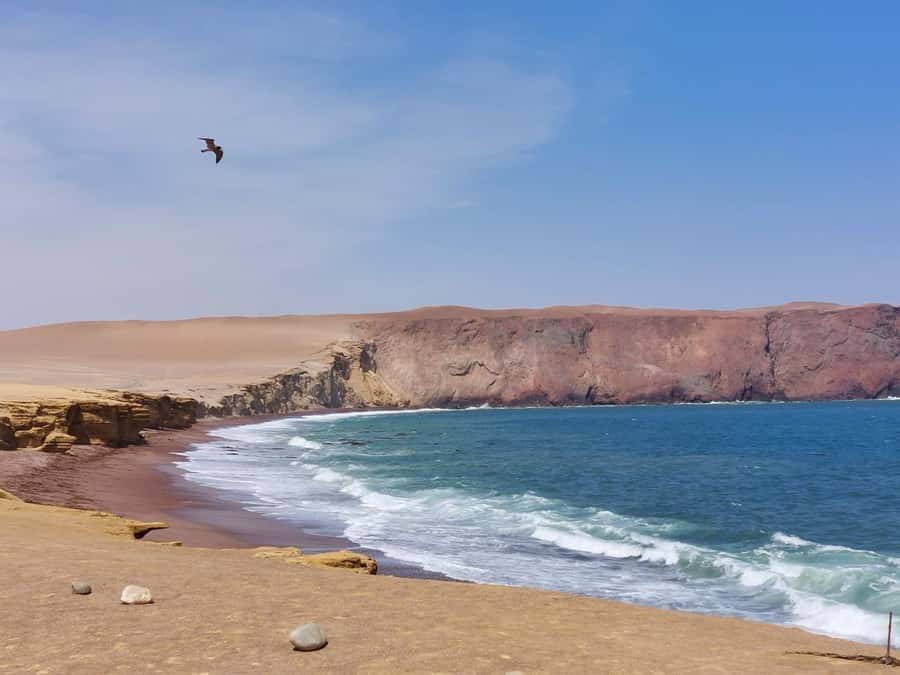
Next comes Red Beach. The tour description highlights a key detail: the reddish sand comes from ancient volcanic eruptions. That explanation helps you understand why the beach looks almost unreal compared to most coastal stretches.
Finally, there’s a stop at Lagunillas Beach, described as a charming fishing resort. It’s a good moment to slow down and reset your eyes after the desert and rock views.
Price and value: what $74 really buys (and what it doesn’t)
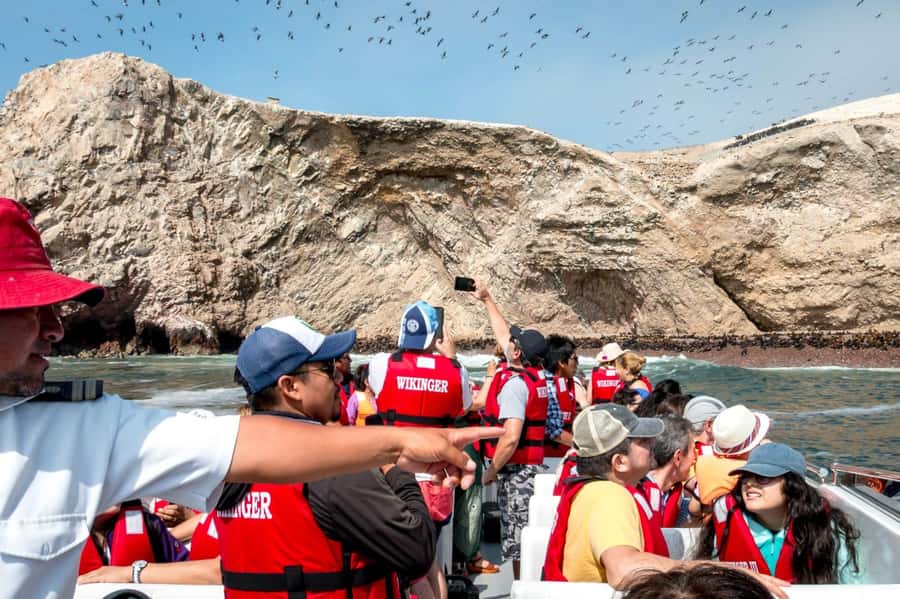
At $74 per person for a 5-hour outing, you’re mostly paying for:
- Speedboat transport to the Ballestas area (about 2 hours on the water)
- Local guiding during the guided segments (Spanish and English)
- Roundtrip transport to and from San Martín Port via a Spanish-speaking driver
Not included is food and drinks. Also not included are entrance fees of S/ 22 payable locally.
So the value question is really: do you want a guided, time-efficient wildlife + reserve package with speedboat time? If yes, $74 can make sense, especially compared to piecing together multiple independent parts.
If you’re the kind of traveler who hates group logistics, queues, or language mismatches, then you might feel this price reflects effort more than comfort. In that case, check what language coverage you’ll get during your booked time.
Language and organization: plan for Spanish on transfers
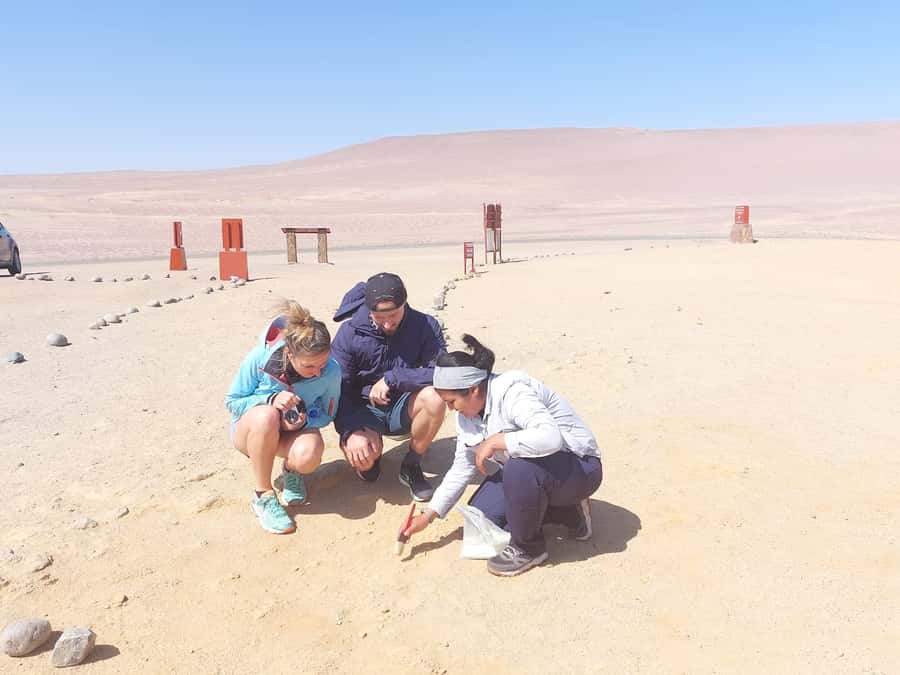
Here’s the big practical consideration. The tour includes a guided local tour in Spanish and English, but the transfers are described as only having a Spanish-speaking driver.
That means you might hear more detailed explanations in the guided moments, and less (or only simplified info) during the driving segments. One English-narration positive note from the guide side was the name Olenca, described as knowledgeable and easily understandable in English.
But the overall organization can be uneven. Some people reported being passed between helpers before an English-speaking guide was found, and others felt the waiting stage for the boat was too long or chaotic.
So my advice is simple: go in prepared to adapt. If your Spanish is basic, use the guided portions to get your detailed info. For transfers and waiting time, focus on the scenery around El Chaco and use binoculars and photo time while you wait.
What to pack for a coast-to-desert half day
The tour runs from port to ocean to desert beaches. That means you’ll want gear for both wind and sun.
Bring:
- Passport
- Comfortable shoes
- Windbreaker
- Sunglasses and a hat
- Sunscreen
- Snacks (since food and drinks aren’t included)
- Sunscreen and a jacket if you run cold
- Outdoor clothing for shifting conditions
- Travel insurance
- Cash for the local entrance fee
- Binoculars if you like birding
Also note what’s not allowed: alcohol and drugs. If you were picturing a celebratory day out, it’ll need to stay non-alcoholic.
Who this tour suits best (and who should skip it)
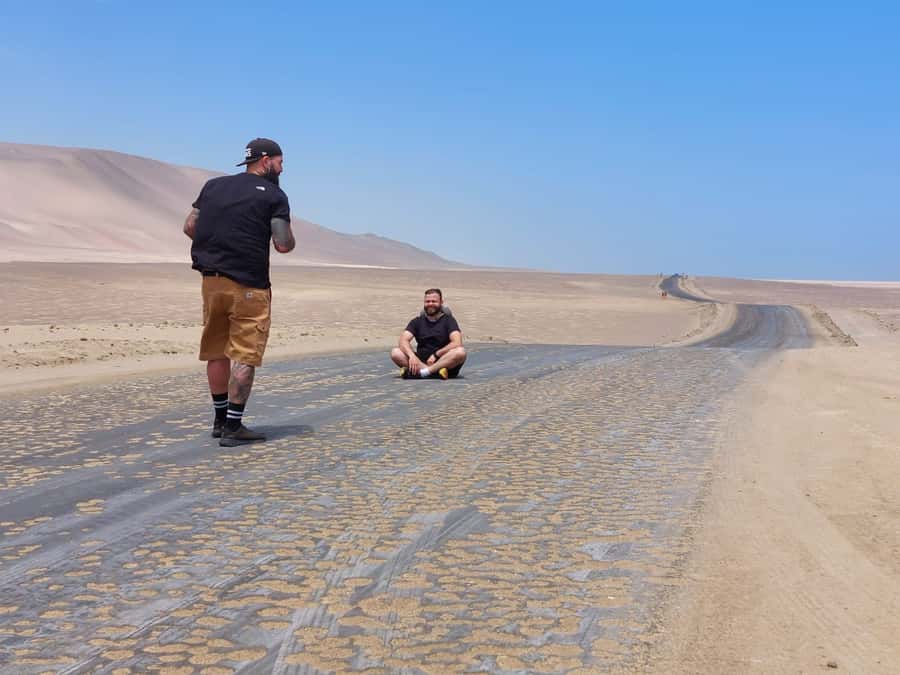
This is a great fit if you want a high-impact wildlife and reserve day without spending a full day on the road.
It suits:
- People who like animals and want a guided explanation tied to what they’re seeing
- Travelers who want named Paracas highlights like the Cathedral viewpoint, Red Beach, and Lagunillas Beach
- Visitors who can handle group timing and short driving segments
It’s not suitable for:
- Pregnant women
- People with back problems
That’s worth taking seriously because the tour involves boat time plus transport segments that may not be comfortable for everyone.
Should you book this Ballestas and Paracas tour?
Book it if you want the most direct route to two of Paracas’ biggest draws in one half-day: speedboat wildlife on Ballestas and desert viewpoints plus Red Beach in Paracas. The $74 price is reasonable for a guided, structured outing that includes boat transport, with only the S/ 22 entrance fee extra.
Skip or rethink it if you strongly require English during every transport segment, hate any queue chaos, or need a low-movement day. The tour can deliver an excellent reserve experience when guiding runs smoothly, but the language and organization can vary by how the day unfolds.
If you do book, set yourself up for success: pack snacks, bring binoculars, wear layers, and keep your expectations flexible for the pier stage.
FAQ
FAQ
How long is the tour from San Martín Port to Ballestas and Paracas?
The total duration is about 5 hours, including the speedboat time and the Paracas National Reserve visit.
Where does the tour start and end?
It starts at Terminal Portuario General San Martín and returns you back to the same terminal.
What’s included in the price?
Roundtrip transportation to and from San Martín Port with a Spanish-speaking driver, a guided local tour in Spanish and English, a speedboat for Ballestas Islands, and the Paracas National Reserve tour.
What is not included?
Food and drinks are not included, and there is an entrance fee of S/ 22 per person payable locally.
Is there an English-speaking guide?
The guided local tour is offered in Spanish and English. Transfers are described as being with only a Spanish-speaking driver.
What should I bring for the day?
Bring a passport, comfortable shoes, a windbreaker, sunglasses, a hat, sunscreen, snacks, a jacket, outdoor clothing, travel insurance, cash, and binoculars.
More Tour Reviews in Paracas
- From Lima: Paracas and Huacachina Oasis Full Day Guided Tour
★ 4.7 · 1,780 reviews - Paracas: Ballestas Islands Morning Boat Tour
★ 4.5 · 301 reviews - Ballestas Islands & Paracas National Reserve from Paracas
★ 4.4 · 228 reviews - From Paracas: Ballestas Islands tour all Inclusive
★ 4.7 · 143 reviews - From Lima: Ballestas Islands and Huacachina Sunset Day Trip
★ 4.7 · 113 reviews
Back Out to the Ballestas
- From Lima: Paracas and Huacachina Oasis Full Day Guided Tour
★ 4.7 · 1,780 reviews - Paracas: Ballestas Islands Morning Boat Tour
★ 4.5 · 301 reviews - Ballestas Islands & Paracas National Reserve from Paracas
★ 4.4 · 228 reviews - From Paracas: Ballestas Islands tour all Inclusive
★ 4.7 · 143 reviews - From Lima: Ballestas Islands and Huacachina Sunset Day Trip
★ 4.7 · 113 reviews
Fresh from our Paracas notebook, a few recent write-ups


Paracas & Ballestas Islands, compared.
 ★ 4.7Paracas and Huacachina Oasis Full Day Guided TourFrom $591,780 reviews
 ★ 4.5Full Day Paracas Ica and Huacachina from Lima All IncludedFrom $85623 reviews
 ★ 4.6Day trip to Paracas, Ica and Oasis HuacachinaFrom $61409 reviews
 ★ 4.5Paracas and the Huacachina Oasis Guided Day TourFrom $65354 reviews
 ★ 4.5Paracas: Ballestas Islands Morning Boat TourFrom $17301 reviews
 ★ 4.6Full Day to Paracas and Huacachina Desert OasisFrom $71301 reviews
 ★ 4.7Paracas & Huacachina Oasis Day Trip with Wine & DunesFrom $100266 reviews
 ★ 4.4Ballestas Islands & Paracas National Reserve from ParacasFrom $34228 reviews
Browse the lists this tour appears in