
Reviewed · CARAL ANCIENT CITY
From Lima: Discover the Ancient Sites Caral & Bandurria
Five thousand years hits fast. This day trip from Lima turns a long morning drive into a front-row seat for Caral and Bandurria’s ancient Peru.
I especially love how the tour pairs big visual ruins—pyramids, temples, and astronomical centers—with a guide who explains what you’re looking at, including detailed commentary from guides like Roxanne and Noemí. The second win for me is the mix of sites: Caral’s sacred city energy, then Bandurria’s fishing-village traces and a panoramic Pacific viewpoint. One thing to plan for: it’s a long, sun-heavy day, with an early 6:00 am pickup and limited time that isn’t on the move.
Caral starts the story early: You leave Lima at 6:00 am and arrive at a site tied to the Supe Valley cradle of Andean civilization.
Free lunch time, not just a rushed stop: You get about an hour to eat after learning about Caral.
Bandurria is a different kind of ancient: Pyramids, mounds, and circular areas show an older fishing-community layout.
The payoff is a Pacific panorama: You finish with a viewpoint over the Pacific and Albufera Paraíso.
Small group pace (up to 14 people): With air-conditioned transport, it feels controlled even on a 15-hour schedule.
English live guide support: You can ask questions and get real context, not just placards.
In This Review
- Caral and Bandurria: A 5,000-Year Morning From Lima
- 6:00 am Pickup and the Long North Drive (Why It Works)
- Entering Caral’s Sacred City: Pyramids, Temples, and Astronomical Clues
- Lunch Break in the Supe Valley: Use the Hour Smart
- Bandurria in the Wetlands of Paradise Area: Ancient Fishing-Village Life
- The Pacific Viewpoint and Albufera Paraíso: When the Ruins Pause
- Guide Power in English: What Roxanne and Noemí Add to the Day
- Price and Logistics: Does $300 Feel Like Value?
- What to Bring for Caral and Bandurria’s Sun Day
- Who This Tour Fits Best (and Who Should Rethink It)
- Should You Book From Lima: Discover the Ancient Sites Caral & Bandurria?
- FAQ
- How long is the tour from Lima to Caral and Bandurria?
- What time is pickup in Lima?
- What time will I be back in Lima?
- Are entrance tickets to Caral and Bandurria included?
- Is lunch included?
- Does the tour include a guide, and what language is it in?
- Is this a small group tour?
- What does the price include?
- What should I bring?
- Is the tour suitable for elderly visitors?
Caral and Bandurria: A 5,000-Year Morning From Lima
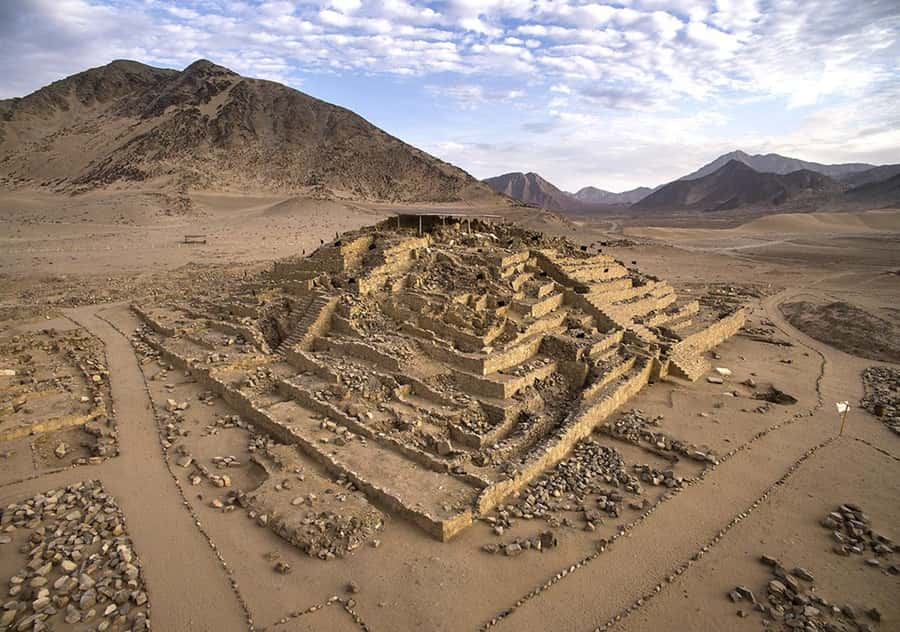
If you want one Peru day trip that feels like you’re traveling through time, this is it. You start in Lima, then head north early enough that you’re beating the worst heat by the time you reach the ruins. The payoff is huge: Caral, one of the oldest archaeological sites in Latin America, plus Bandurria, an ancient fishing village tied to the Wetlands of Paradise area.
The smart part is how the two sites contrast. Caral shows a sacred city with pyramids, temples, and astronomical centers more than 5,000 years old. Then Bandurria shifts to an older coastal way of life, with pyramids, mounds, and circular areas that feel related to Caral in layout—yet different in purpose and setting. I like that the tour doesn’t treat these ruins as disconnected stops. It keeps linking what you see to how people lived.
6:00 am Pickup and the Long North Drive (Why It Works)
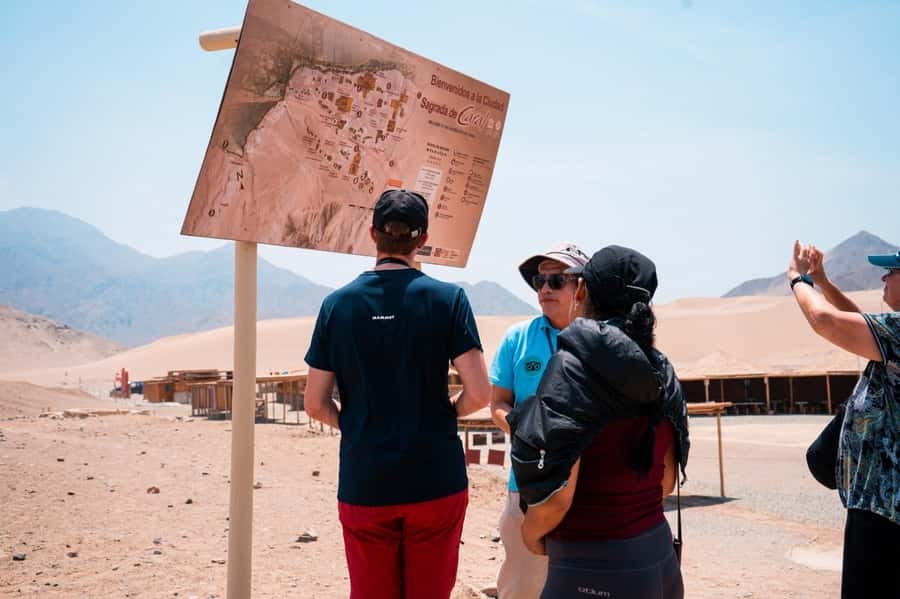
This tour runs about 15 hours, and it starts with pickup from your main hotel area at 6:00 am. That early start matters because you’ll spend the daylight hours where it counts: at the archaeological complexes and at the final viewpoint.
Transport is air-conditioned, which is a big deal on long drives out of Lima. The schedule also includes a lunch break, plus the full return to Lima is timed for a drop-off around 8:00 pm at the same pickup location. You’re basically doing a full day with a clear rhythm: ride, ruins, lunch, more ruins and wetlands viewpoints, then back home.
Here’s the practical consideration: this kind of day trip asks for stamina. You’ll be out in the sun and you’ll likely do a fair amount of walking between viewpoints and structures. If you’re the type who hates being rushed, bring patience. The structure helps, but it’s still a packed day.
More on Caral, the oldest city in the Americas


Entering Caral’s Sacred City: Pyramids, Temples, and Astronomical Clues
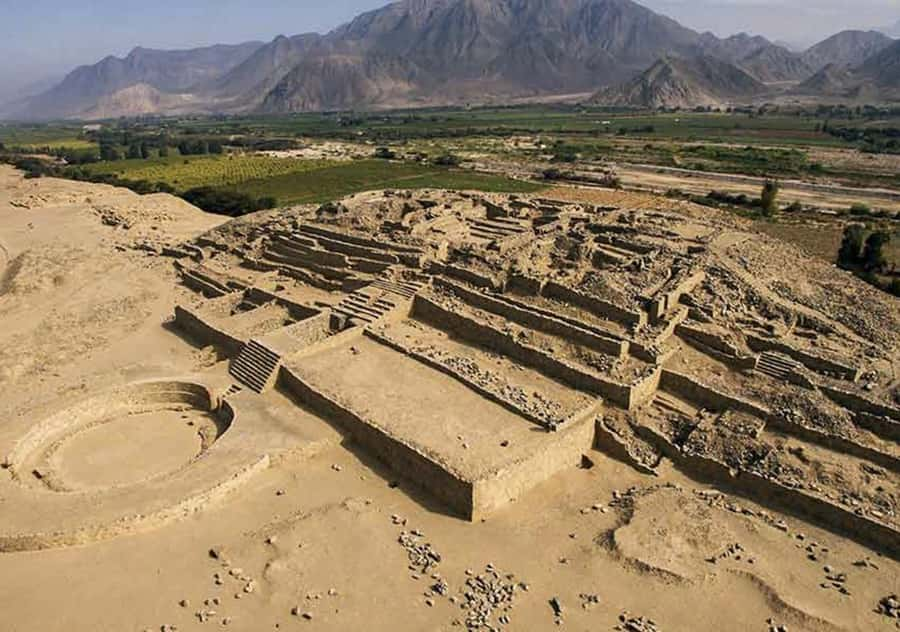
Caral is the main reason most people book this tour, and for good reason. You head to the archaeological site where the ruins of Caral remain in the Supe Valley. The tour frames Caral as a sacred city and a major early urban center, with key structures like pyramids, temples, and astronomical centers.
What I like about this stop is that it’s not just big stone shapes in the distance. The guide walks you through what the site represents and what makes it historically important. Caral is described as part of one of the first cities in the Americas, and the Supe Valley is called the cradle of Andean civilization. You also learn that Caral is considered the third oldest place with human settlement in the world, behind Mesopotamia and Egypt. Even if you’ve read about ancient civilizations before, those comparisons help you anchor what you’re seeing in global time.
Caral’s layout also gives you something to notice. You’re looking at major building forms and then at how the site connects to timekeeping and observation. The tour’s emphasis on astronomical centers is a helpful way to interpret the ruins beyond aesthetics.
Tip for your visit: take a slower look at the structures your guide points out, then step back for a wider view. The ruins can feel confusing up close, and the context clicks better once you’ve seen the bigger picture.
Lunch Break in the Supe Valley: Use the Hour Smart
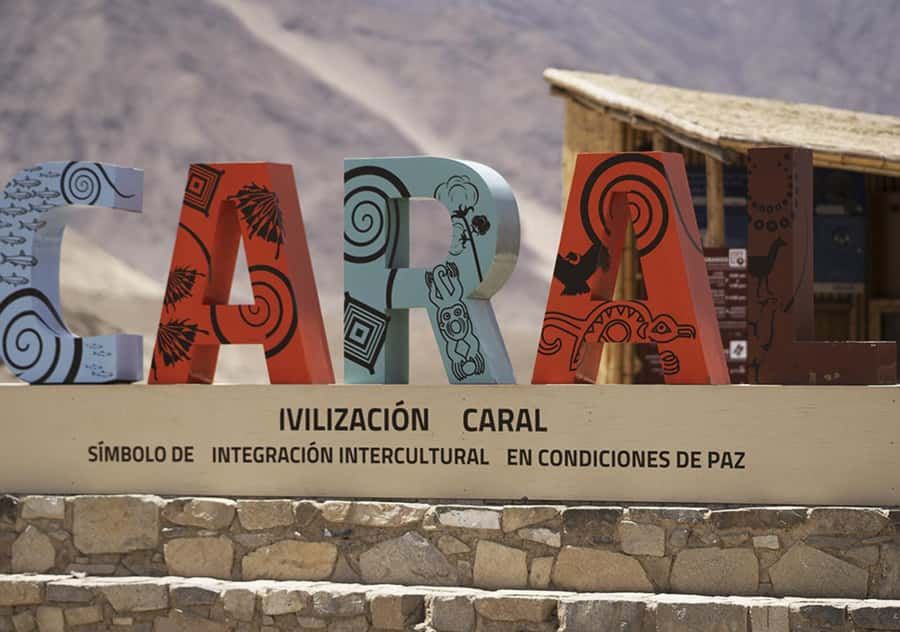
After your Caral learning time, the tour gives you about one hour of free time for lunch. Lunch is included, but drinks aren’t, so keep some cash handy if you want anything extra. This is the part of the day where you can reset your energy, cool down a bit, and avoid that late-day fatigue that hits during long drives.
I recommend using this break in a practical way:
- Eat sooner rather than later so you’re not rushing back to the group.
- Drink water if you feel even slightly dehydrated (you’re in sun most of the day).
- If you’re taking photos, consider charging your phone power-wise and wiping your lens. The lighting can be harsh at midday.
This lunch hour also changes the mood. Caral is intense—ancient sacred city details, scale, and explanations. Bandurria is more open and scenic, so the better rested you are after lunch, the more you’ll enjoy the second half.
Bandurria in the Wetlands of Paradise Area: Ancient Fishing-Village Life
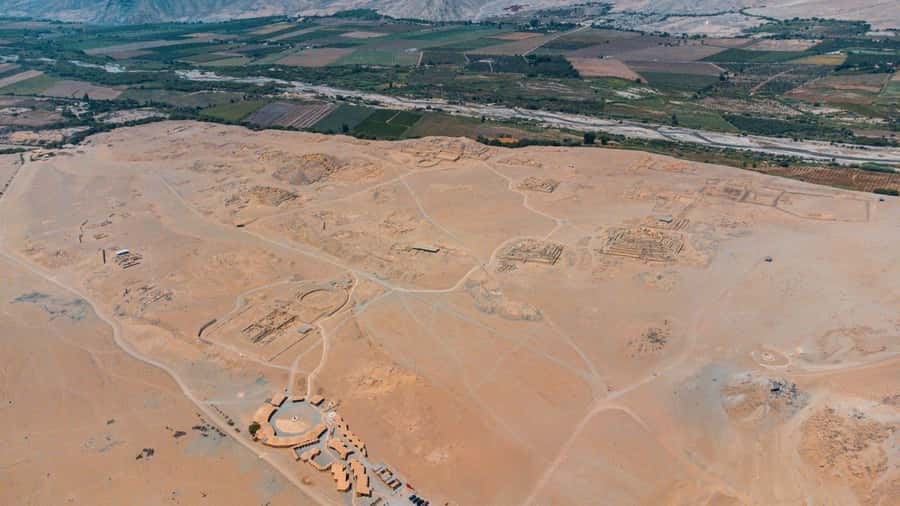
Once lunch is done, you head toward the Wetlands of Paradise area and visit Bandurria. This archaeological complex is described as an old fishing village, and the tour helps you read it as a community space rather than just a set of ruins.
You’ll see pyramids, mounds, and circular areas. The circular areas are especially interesting because the tour points out similarities to Caral. That doesn’t mean you’re looking at the same place. It means there are architectural ideas that show up again in different contexts—an easy way to connect the story of ancient Peru across regions.
Bandurria also comes with a different atmosphere than Caral. Caral feels like a planned sacred city. Bandurria feels more like a settlement tied to the rhythms of the coast and the wetlands environment. Even if your knowledge starts at zero, the guide helps you understand why that matters.
The main benefit of this stop is perspective. You come away thinking about how early communities organized space for ceremonies, observation, and survival. Caral shows one kind of power and planning. Bandurria shows another kind of adaptation—food, water, and daily life tied to the coast.
- Lima: Ultimate Peruvian Food Tour★ 4.9 · 700 reviews
- Full Day Paracas Ica and Huacachina from Lima All Included★ 4.5 · 623 reviews
- From Lima: Day trip to Paracas, Ica and Oasis Huacachina★ 4.6 · 409 reviews
- Private transfers from Lima Airport or to Lima Airport★ 4.0 · 359 reviews
The Pacific Viewpoint and Albufera Paraíso: When the Ruins Pause
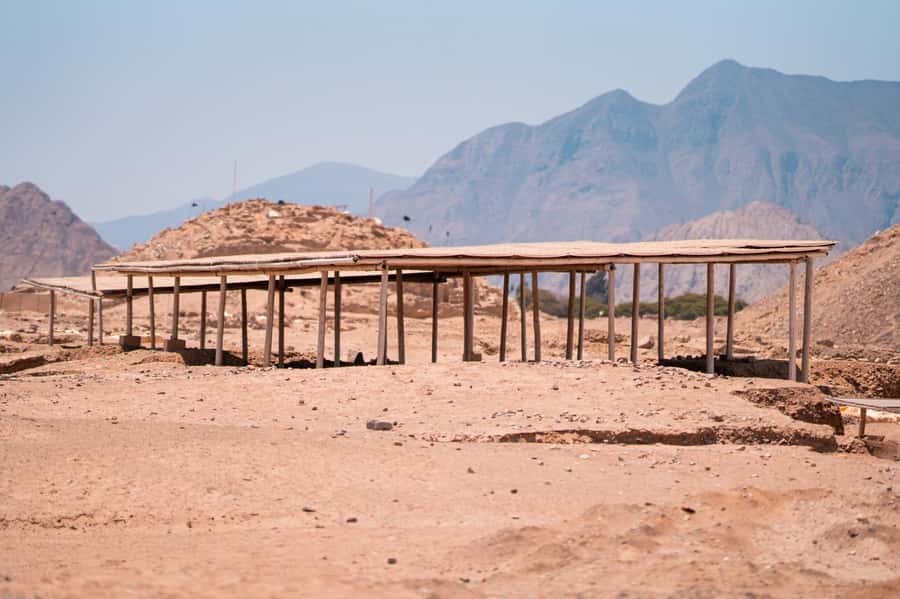
Bandurria ends with an approach to a natural viewpoint that gives you a panoramic view of the Pacific Ocean and the Albufera Paraíso. This is one of those moments where you stop taking photos of stones and start photographing place.
I like this final section because it changes how you process the day. Up to this point, you’ve been focused on archaeological details: pyramids, mounds, temples, and ancient construction clues. The viewpoint makes everything feel bigger and more logical. You understand why settlements formed where they did and how the coastline and wetlands would matter for daily life.
If you’re sensitive to sun, this is the time to slow down and take breaks. The tour is time-driven, but the viewpoint gives you something that often feels rare on these long itineraries: a chance to breathe and let the scenery sink in.
Guide Power in English: What Roxanne and Noemí Add to the Day
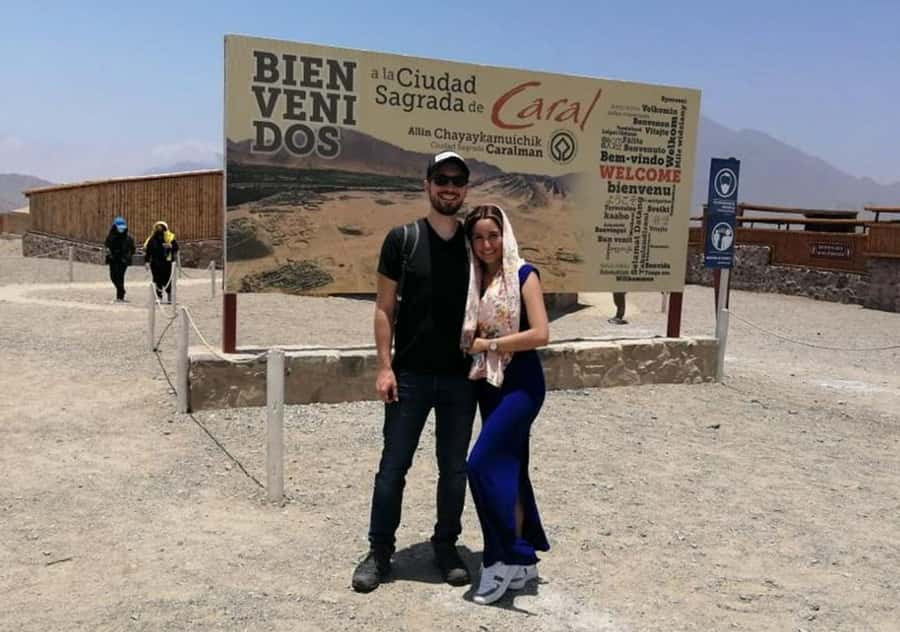
Caral and Bandurria can be impressive on your own, but the guide is what turns the visit into real learning. The tour includes an official tourism guide in English, and the feedback highlights strong communication and professionalism.
In the experiences shared, Roxanne and driver Benji were described as brilliant and thoughtful, making the long drive feel worthwhile. Another guide, Noemí, was singled out for detailed explanations and deep knowledge, with the driver Benyi also praised for helping make the day unforgettable. The common thread: people didn’t just see ruins. They understood them better because the guide connected the visible structures to the bigger story.
For you, that means you’ll spend less time guessing. You’ll know what you’re looking for, why it matters, and how the two sites relate. That’s also part of why the tour works well even if your comfort level with archaeology is low.
Price and Logistics: Does $300 Feel Like Value?
The price is $300 per person for a 15-hour small-group outing from Lima, including lunch, entrance tickets to Caral and Bandurria, an English official guide, and air-conditioned tourist transport.
Here’s how I’d think about value:
- You’re not paying for a quick drive-by. You’re paying for a full day with two major sites and guided context.
- Entrance fees and a guide are included, which saves time and avoids the annoying “what’s extra?” feeling.
- The group size is capped at 14, which usually means you can keep up without feeling lost in a huge crowd.
The main tradeoff is the day length and the sun factor. It’s expensive compared to DIY bus travel, but it’s also doing more for you: pickup, tickets, guided interpretation, and a structured route that covers both Caral and Bandurria in one go.
If you want the most stress-free way to see these sites without coordinating logistics, the price starts to make sense.
What to Bring for Caral and Bandurria’s Sun Day
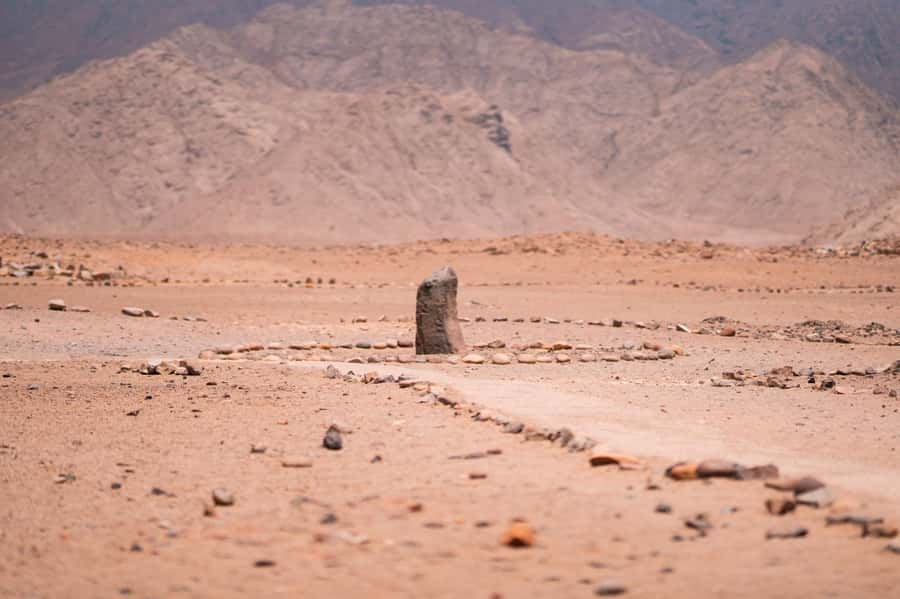
This is a tour that takes place in the sun, so you should pack like the day is going to be hot and bright. The basics matter most here:
- Water
- Comfortable clothes
- Weather-appropriate clothing
- Camera
- Cash (drinks aren’t included)
- ID card (a copy is accepted)
You might also plan around how long you’ll be out. The day runs from roughly 6:00 am pickup until about 8:00 pm drop-off, so anything you can do to stay comfortable—light layers, sunscreen if it’s part of your normal routine, and a bottle you’ll actually finish—will help.
One more practical note: opening hours can change, so don’t assume the exact schedule stays perfect. The tour will follow what’s possible that day.
Who This Tour Fits Best (and Who Should Rethink It)
This trip is a strong choice if you want:
- A guided introduction to ancient Peru with a focus on Caral and Bandurria
- A day that mixes archaeology with a scenic Pacific viewpoint
- A small-group pace (maximum 14 participants)
It also helps if you like clear structure. The pickup is early, the stops are planned, and the lunch break is built in. That makes it easier to mentally prepare for a long day.
There are also clear limits. It’s listed as not suitable for people over 95 years. And baby carriages aren’t allowed. If you need mobility support, you should think carefully about walking and sun exposure, since the tour is designed for outdoor site visits.
Should You Book From Lima: Discover the Ancient Sites Caral & Bandurria?
I’d book this tour if you want one day that hits two of the most historically significant archaeological stops in Peru’s north—Caral first, then Bandurria, capped with a Pacific viewpoint. The included lunch, entrance tickets, and English guide make it one of the more complete ways to do both sites without extra coordination.
Skip it (or at least reconsider) if you dread early starts, long travel days, and sun exposure. This isn’t a relaxed half-day. It’s a full-day archaeological mission with just enough downtime to keep you going.
FAQ
How long is the tour from Lima to Caral and Bandurria?
The duration is 15 hours.
What time is pickup in Lima?
Pickup is included from main hotels at 6:00 am. You should wait at the hotel reception 10 minutes before the scheduled time.
What time will I be back in Lima?
You’ll be dropped off at the same pickup location at approximately 8:00 pm.
Are entrance tickets to Caral and Bandurria included?
Yes. Entrance tickets to Caral and to Bandurria are included.
Is lunch included?
Yes, lunch is included. Breakfast is not included.
Does the tour include a guide, and what language is it in?
Yes, there is an official live tourism guide. The tour guide language is English.
Is this a small group tour?
Yes. It’s a small group limited to 14 participants.
What does the price include?
The price includes lunch, entrance tickets, an official tourism guide, and air-conditioned tourist transport.
What should I bring?
Bring a camera, water, comfortable clothes, cash, weather-appropriate clothing, and an ID card (a copy is accepted).
Is the tour suitable for elderly visitors?
It is not suitable for people over 95 years. Baby carriages are also not allowed.
More Tour Reviews in Lima
- Lima: Ultimate Peruvian Food Tour
★ 4.9 · 700 reviews - Full Day Paracas Ica and Huacachina from Lima All Included
★ 4.5 · 623 reviews - Lima’s Vibrant Heritage: Exploring the City’s Landmarks Half-day
★ 4.5 · 581 reviews - From Lima: Day trip to Paracas, Ica and Oasis Huacachina
★ 4.6 · 409 reviews - Private transfers from Lima Airport or to Lima Airport
★ 4.0 · 359 reviews
More on Caral
- Caral, Oldest Civilization of America: Private Day trip from Lima
★ 4.5 · 72 reviews - Caral The First Civilization in America – Full Day From Lima
★ 5.0 · 59 reviews - Discovering Caral, The Oldest Civilization In America
★ 4.5 · 35 reviews
Fresh from our Lima notebook, a few recent write-ups

Caral Ancient City, compared.
 ★ 4.5Caral, Oldest Civilization of America: Private Day trip from LimaFrom $19272 reviews
 ★ 5.0Caral The First Civilization in America – Full Day From LimaFrom $12059 reviews
 ★ 4.5Discovering Caral, The Oldest Civilization In AmericaFrom $20035 reviews
 ★ 4.6Caral Full-Day Private Excursion with MealsFrom $25025 reviews
Browse the lists this tour appears in