
Reviewed · LIMA FOOD & CEVICHE TOURS
Lima: Market Tour, 35 Fruits Tasting & Cooking Class
Fruit and food fans, this is smart fun.
This Lima class pairs a hands-on Surquillo Market walk with a serious 35+ fruit tasting, then ends with cooking and eating a 4-course Peruvian meal you make yourself. I especially like that you don’t just watch—you keep moving through the flavors, learning what you’re tasting while you’re tasting it.
One thing to consider: it’s a long block of time (about 5.5 hours), and the experience includes lots of fruit samples, so come with a stomach that can handle variety and sweetness. If you have restrictions like gluten or lactose, plan to tell the team ahead so the cooking matches your needs.
In This Review
- Quick hits: what makes this tour worth your time
- Surquillo Market No 1: the start point that keeps it real
- The 35+ fruit tasting: why it’s more than just samples
- Pisco sour time: how the class uses a drink as a bridge
- Your 4-course lunch: cooking skills you can actually reuse
- Transportation and timing: why the day feels full
- Price and value: what you’re really getting for $120
- Dietary restrictions: what to tell them before you arrive
- Small-group feel: what it changes in the kitchen
- Practical tips for a smooth Lima food day
- Should you book SkyKitchen’s Lima Market and Fruit Cooking Class?
- FAQ
- Where do I meet for the market tour?
- How long is the experience?
- What is included in the class?
- Is transportation included?
- Do they accommodate dietary restrictions?
- What kind of drinks are provided?
- What language is the instruction available in?
- Is there a cancellation option?
Quick hits: what makes this tour worth your time
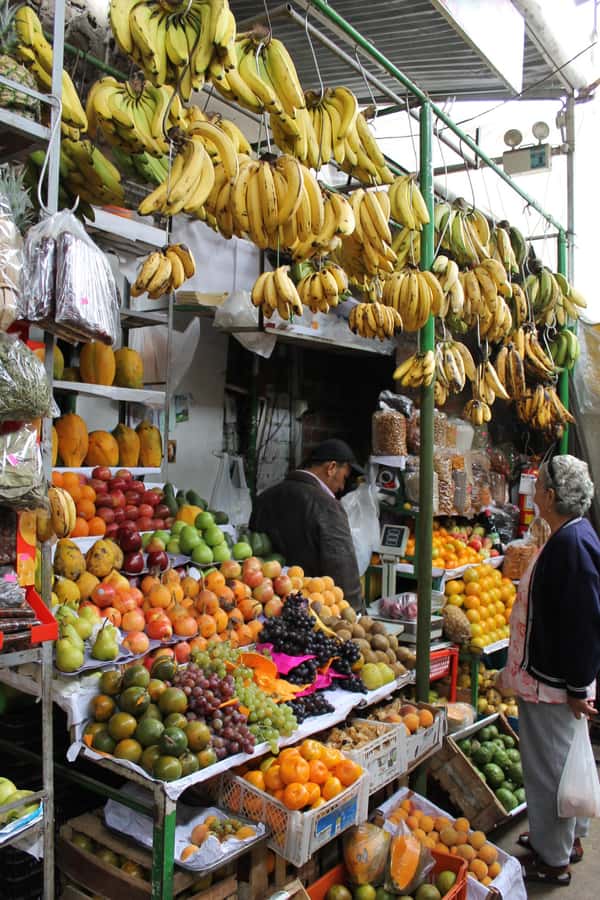
- Surquillo Market No 1 location: meet at Mercado 1 de Surquillo, right under the big Mercado 1 sign.
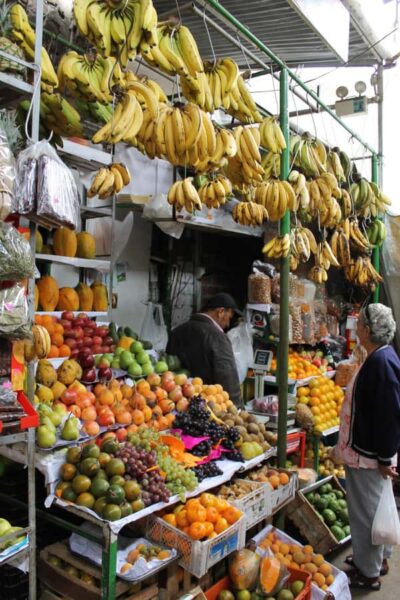
- 50 minutes of ingredient education: you’ll learn about fruits, vegetables, legumes, herbs, meats, fish, seafood, quinoa types, and even lesser-known Andes plants, roots, and seeds.
- 35+ fruit samples: you taste widely, compare flavors, and get a real sense of what Peru grows.
- You cook a full 4-course lunch: chopping, mixing, and cooking with an instructor while you eat each dish as it’s ready.
- Pisco sour is included: you’ll prepare and sip one during the experience.
- Small-group feel: you get more attention while you cook, not just a quick stop-and-go tour.
Surquillo Market No 1: the start point that keeps it real
The day begins at Mercado 1 de Surquillo, at the main entrance below the big Mercado 1 sign. If you’re using a ride-hailing app, type Mercado 1 de Surquillo. By taxi, it helps to mention Estación Ricardo Palma, since it’s a known reference point. The market sits on block 53 of Paseo de la República, right next to that station—so you’re not guessing around Lima’s streets.
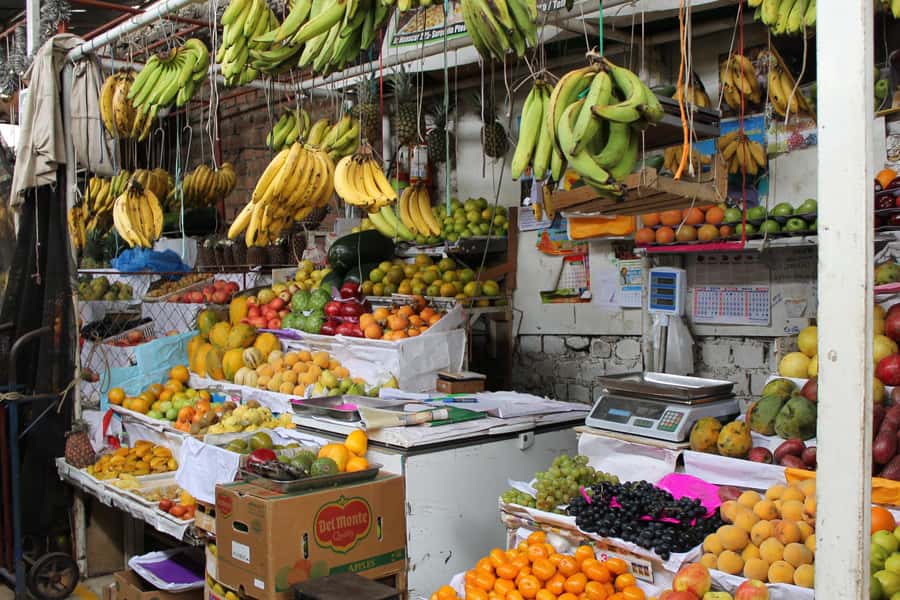
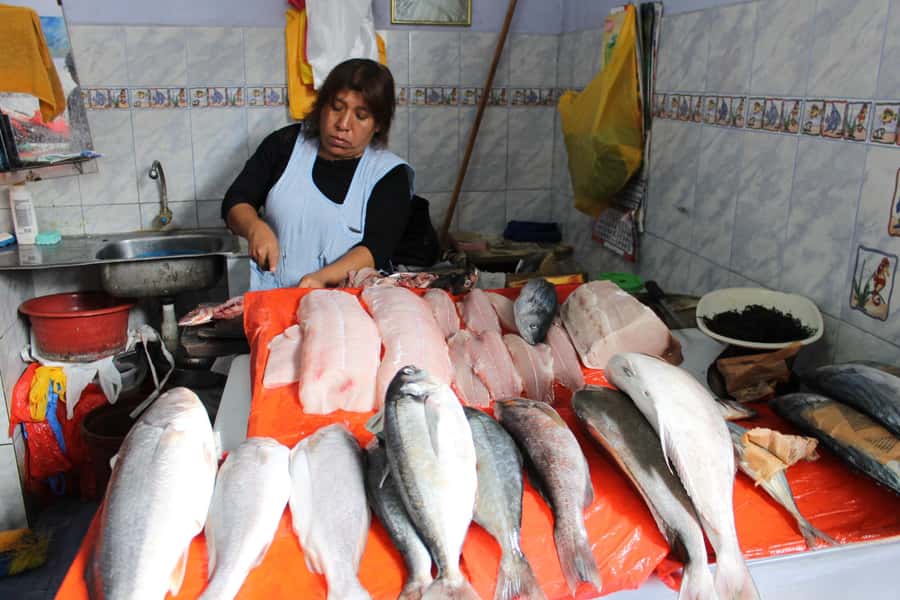
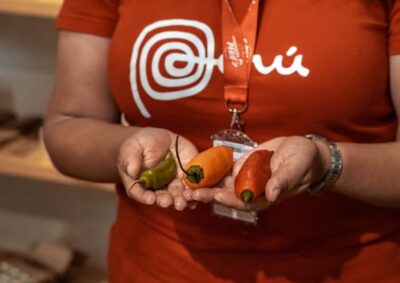
I like this meeting spot because it’s practical. It’s also a good reminder of what this experience is: not a staged “food show,” but a guided walk through the place locals actually shop. During the market portion (about 50 minutes), your guide introduces you to vendors and breaks down the ingredients in plain terms. You’ll cover fruits and vegetables, but also legumes, herbs, meats, fish, seafood, and quinoa varieties. Then the fun part: you’ll hear about lesser-known Andes items such as roots, seeds, and little-known plants.
What to watch for while you walk: ask questions while you’re standing in front of the produce. Ingredients make sense faster when you’re seeing them in the market, not just hearing a description later in a kitchen.
A possible drawback is that market time is time-boxed. If you’re the type who wants to linger and shop on your own for 60–90 minutes, this part will feel a bit “guided-first.” But for learning how the menu connects to the ingredients, 50 minutes is a good pace.
More ceviche counters and street-food crawls
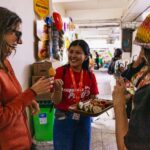
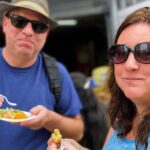
The 35+ fruit tasting: why it’s more than just samples
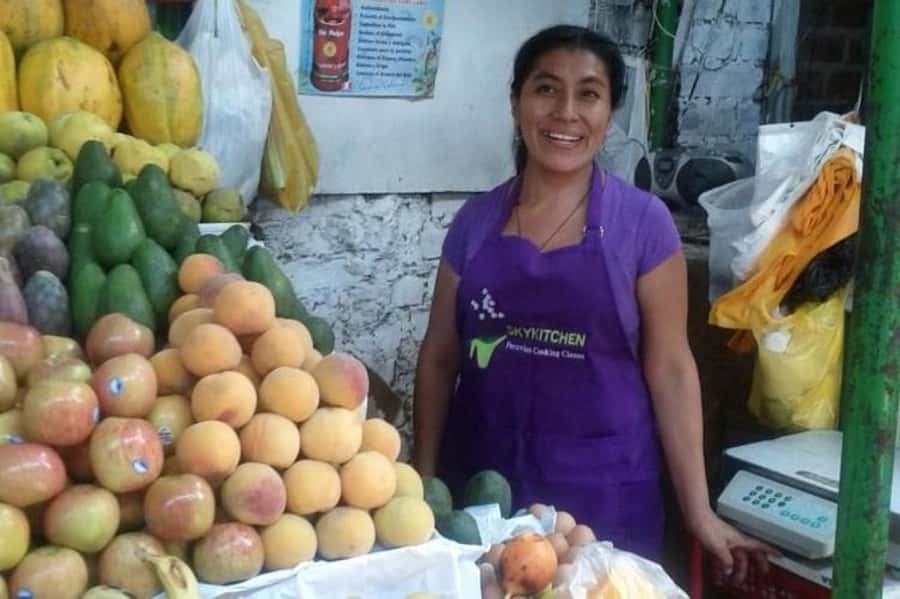
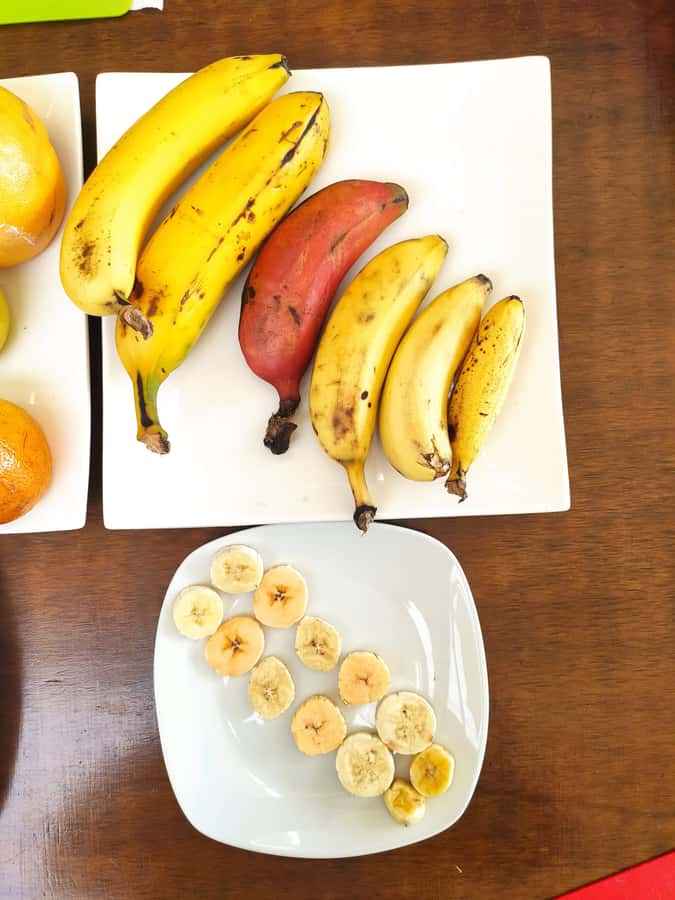
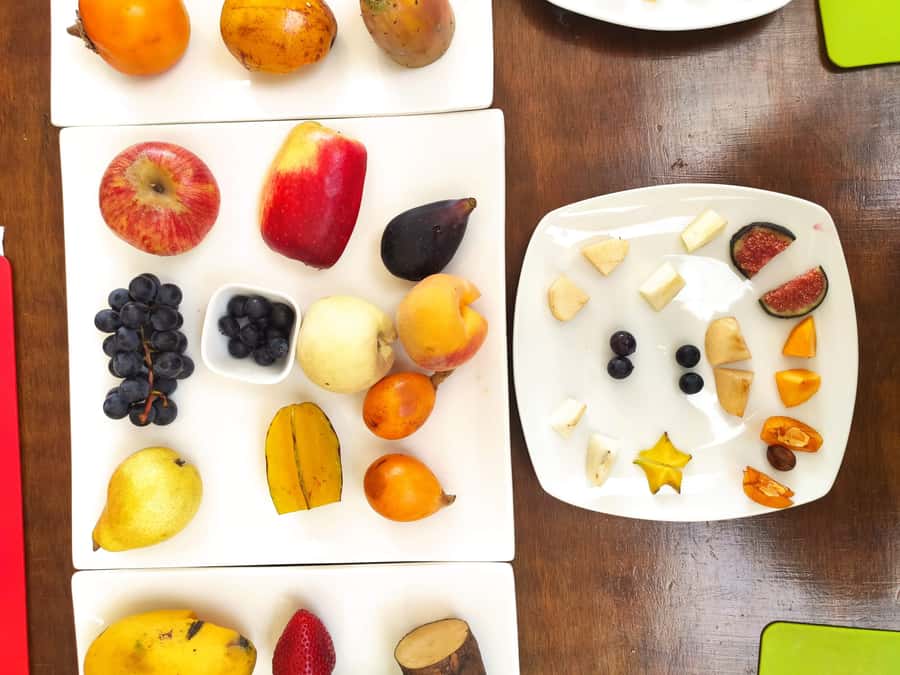
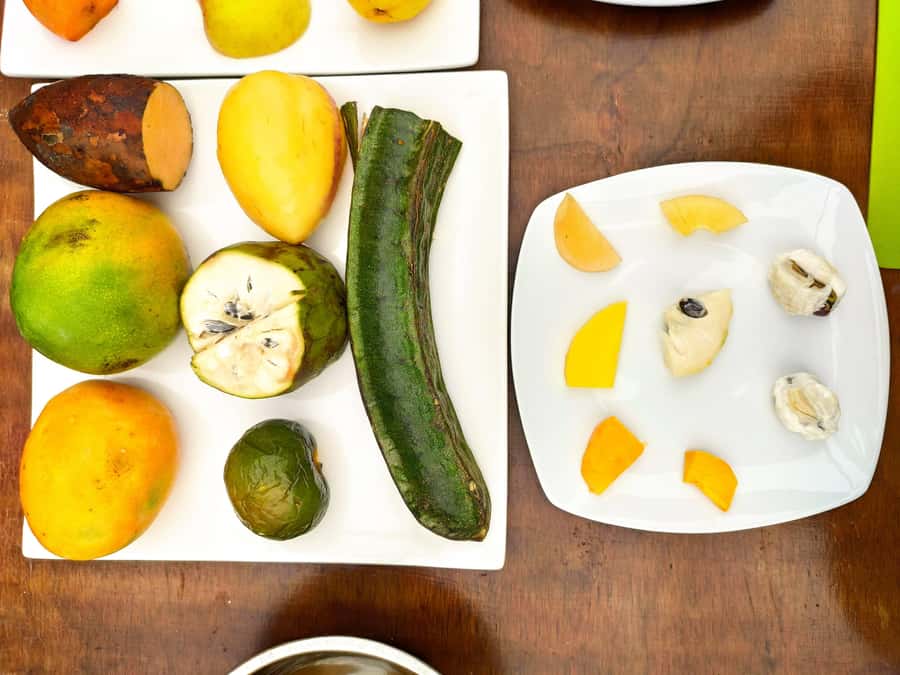
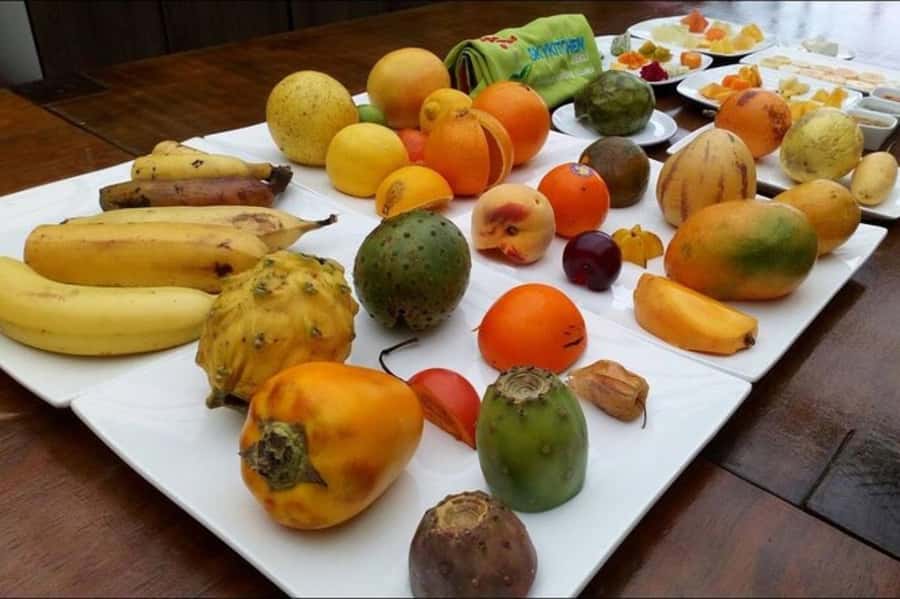
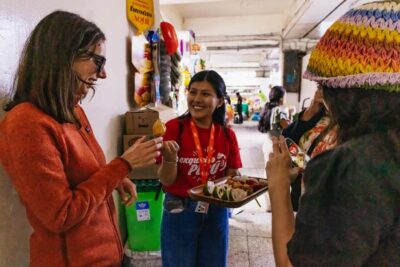
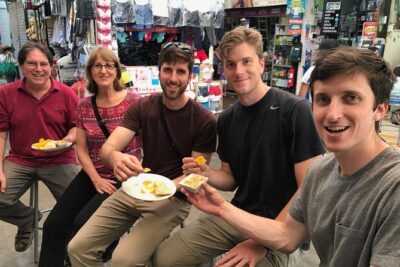
After the market, the class shifts into a tasting zone where you’ll try more than 35 different exotic fruit samples. This is the highlight for many people for a reason: it turns Peru’s produce into something you can compare in real time.
You’ll likely notice three things as you taste:
- Texture and sweetness vary a lot even when fruits look similar.
- Some fruits taste closer to what you know, while others feel totally new.
- Tasting becomes easier when you slow down and identify what you like (floral? tangy? creamy? watery?).
The tour is smart because it doesn’t just throw fruit at you. The guide’s market explanations give you context for what you’re tasting. That matters because Peru’s fruit scene is shaped by differences in growing regions, and you’ll start to understand why the flavors feel so distinct.
One practical tip: pace yourself. With 35+ items, you’ll miss details if you try to “power through.” I’d treat it like a structured tasting menu—take small bites, sip water between rounds, and pay attention to what each fruit reminds you of.
Pisco sour time: how the class uses a drink as a bridge
During the transition from fruit tasting to hands-on cooking, you’ll prepare and then sip a Pisco sour. Along with the drink, you’ll get an introduction to Peruvian cuisine—the kind of talk that helps the kitchen make sense.
I like this approach because it gives you a mood and a framework. By the time you start cooking, you’re not just chopping random ingredients—you’re learning how Peruvian cooking fits together: flavors, balance, and the idea that ingredients aren’t interchangeable.
You’ll also have unlimited water throughout the class, plus a homemade fruit drink served with the food. That’s helpful on a long day when your energy needs steady support.
Your 4-course lunch: cooking skills you can actually reuse
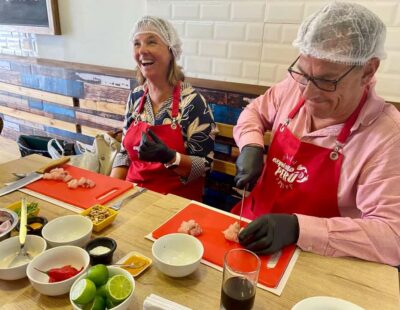
This is the “hands-on” part you’re paying for. You’ll head to the kitchen, where you’ll prepare a 4-course Peruvian meal under your instructor’s guidance. The format is straightforward:
- You do the prep: chopping, mixing, cooking.
- When a dish is ready, you eat it right away with the rest of the group.
- The instructor keeps things moving so the next course has what it needs.
That last detail matters. Waiting around without progress is the fastest way to make a cooking class feel like a demo. Here, the rhythm is built around finishing a dish, then moving forward. You get food in front of you while your skills are still fresh.
What you’ll learn is cooking technique as much as recipes. Because the class includes the ingredients and tools, the lesson stays focused on process: how to handle produce, how flavors change through cooking, and how each course fits the meal as a whole.
Also note the tone of the experience. Based on the way this class is run, it aims for a welcoming group vibe where you can talk with your instructor while one dish finishes and the next gets set up. That social element can turn cooking-from-scratch nerves into something enjoyable.
More cooking classes and market visits in Lima
- Market Tour, Tasting of 35 Fruits, and 4-Course Peruvian Cooking Class in Lima★ 5.0 · 86 reviews
- #1 Rated Cooking Classes with Local Market Tour & Pickup★ 5.0 · 69 reviews
- Miraflores: Amazing Peruvian Cooking Class Ceviche Seafood and Pisco Sour★ 4.9 · 57 reviews
- Cook with Maido’s creative chef and chef de cuisine★ 5.0 · 53 reviews
Transportation and timing: why the day feels full
The total duration is 330 minutes (about 5.5 hours), with transportation from the market to the class included. That’s one of those “small” inclusions that adds real value in Lima, where getting across town can eat time fast.
The overall timing structure is efficient:
- Market walk: about 50 minutes
- Fruit tasting: after the market
- Pisco sour and cuisine intro
- Cooking and eating 4 courses
Because it’s a single-flow experience, you don’t have to plan breaks or coordinate separate activities. For me, that’s a big part of the appeal: it’s one ticket that turns into one full culinary block.
If you’re trying to fit this into a tight schedule with other reservations, leave buffer time. A 5.5-hour experience can run long if your group chats more than expected at the market or in the kitchen.
Price and value: what you’re really getting for $120
At $120 per person, you’re not just paying for food. You’re paying for three things bundled together:
- Market time with ingredient education (including guide-led explanations).
- 35+ fruit tasting plus included drinks.
- A fully guided 4-course cooking class with all ingredients, tools, aprons (provided during class), and transportation.
From a practical traveler angle, that’s the value math. If you tried to replicate it yourself, you’d spend time figuring out the market route, buying ingredients without guidance, and then still needing a kitchen setup and instruction. Here, the class removes those friction points.
Also, the included Pisco sour (1) and the fruit drink with lunch feel like more than perks. They support the experience’s purpose: tasting and cooking are tied together with a Peruvian flavor context.
Could it be pricey if you only care about one piece (like fruit tasting only)? Sure. But if you want market-to-plate learning, it’s a solid deal for Lima.
Dietary restrictions: what to tell them before you arrive
If you have food restrictions, this matters: the class can accommodate vegetarian, vegan, lactose, and gluten needs if you tell the team ahead of time. That’s worth emphasizing because cooking classes often struggle with substitutions unless the organizer knows your needs early.
I’d message or contact the provider as soon as you book. Keep it simple: list what you avoid and confirm whether it affects both the fruit tasting and the cooked courses. With a cooking class, the biggest risk is cross-ingredient planning—so early communication is your best friend.
If you’re not dealing with restrictions, you’ll still benefit from the structure, since you’ll likely eat everything you cook.
Small-group feel: what it changes in the kitchen
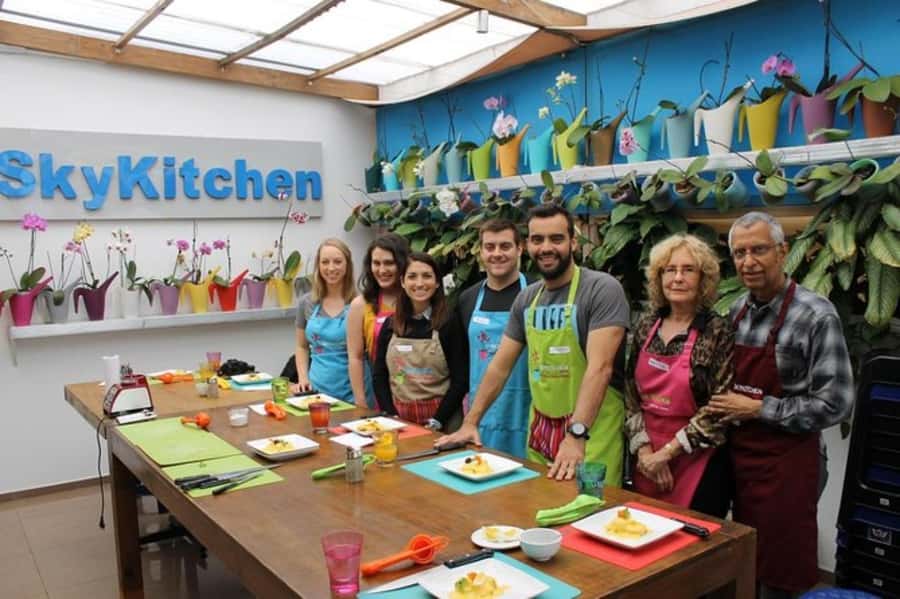
This is described as a small-group tour, and you’ll feel it. In a small group, the instructor can watch what you’re doing and adjust instructions without ignoring the slowest cook or the fastest question-asker.
That affects your learning. You get more chances to ask about ingredients and technique while you cook, rather than getting one round of advice and then being left to figure it out.
It also affects the meal experience. Eating a course soon as it’s ready keeps momentum and reduces the risk of everyone losing interest. When food arrives in sequence, the day stays lively.
Practical tips for a smooth Lima food day
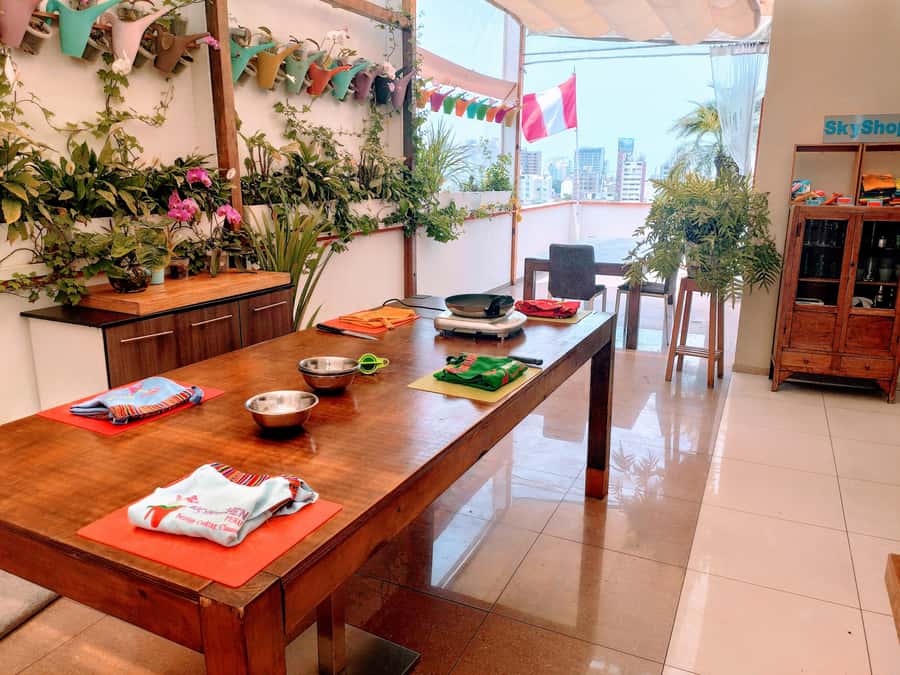
A few things can help you get the most out of 5.5 hours of market walking, fruit sampling, and cooking:
- Wear comfortable shoes. You’ll be on your feet at the market and moving around the kitchen prep area.
- Go easy at first with fruit. Take smaller bites early so you can still taste later without feeling overwhelmed.
- Use the water. Unlimited water is included, and you’ll likely want it with lots of fruit tasting.
- Plan to eat what you cook. This class is built around enjoying each freshly prepared dish as it’s finished.
- Ask questions at the market. The produce explanations connect directly to what you’ll taste and cook later.
- Bring your appetite, not your clock. It’s a long experience, so fit it when you’re ready to be “in it,” not rushing to the next place.
Language support is also practical: instruction is available in English, Spanish, and German. If you prefer a certain language, it’s worth confirming when you book.
Should you book SkyKitchen’s Lima Market and Fruit Cooking Class?
You should book this if you want a Lima food experience that feels grounded in ingredients, not just a meal. It’s especially good for:
- food lovers who like market education
- people who want to cook at least part of their lunch
- anyone curious about Peru’s fruit variety and flavors
- travelers who value included drinks and a full meal built from the ingredient story
I’d think twice if you:
- have a very tight schedule (it’s 330 minutes)
- hate trying lots of new flavors and want only one simple meal
- have dietary restrictions but haven’t told the provider ahead of time
If your goal is to leave with more than just satisfaction—if you want the ingredient know-how and cooking process you can recreate later—this is the kind of tour that makes that possible.
FAQ
Where do I meet for the market tour?
You meet at the main entrance of Mercado 1 de Surquillo, directly below the big sign that says Mercado 1.
How long is the experience?
The duration is about 330 minutes (around 5.5 hours).
What is included in the class?
It includes a tour guide, the market tour, transportation from market to class, 35+ fruit samples, an instructor, all ingredients for the cooking class, a 4-course lunch you prepare, water and juice, and 1 Pisco Sour. Aprons and kitchen tools are provided during class.
Is transportation included?
Yes, transportation from the market to the cooking class is included.
Do they accommodate dietary restrictions?
Yes. They can accommodate vegetarian, vegan, lactose, and gluten restrictions if you contact them ahead of time.
What kind of drinks are provided?
Unlimited water is included, and a homemade fruit drink is served with the food. You also get 1 Pisco Sour.
What language is the instruction available in?
Instruction is available in English, Spanish, and German.
Is there a cancellation option?
Yes. You can cancel up to 24 hours in advance for a full refund.
More Tour Reviews in Lima
- Lima: Ultimate Peruvian Food Tour
★ 4.9 · 700 reviews - Full Day Paracas Ica and Huacachina from Lima All Included
★ 4.5 · 623 reviews - Lima’s Vibrant Heritage: Exploring the City’s Landmarks Half-day
★ 4.5 · 581 reviews - From Lima: Day trip to Paracas, Ica and Oasis Huacachina
★ 4.6 · 409 reviews - Private transfers from Lima Airport or to Lima Airport
★ 4.0 · 359 reviews
Back to the Lima Kitchen
- Cook an Authentic Ceviche And Peruvian Pisco Sour!
★ 5.0 · 107 reviews - Market Tour, Tasting of 35 Fruits, and 4-Course Peruvian Cooking Class in Lima
★ 5.0 · 86 reviews - #1 Rated Cooking Classes with Local Market Tour & Pickup
★ 5.0 · 69 reviews - Miraflores: Amazing Peruvian Cooking Class Ceviche Seafood and Pisco Sour
★ 4.9 · 57 reviews - Cook with Maido’s creative chef and chef de cuisine
★ 5.0 · 53 reviews
Still Hungry in Lima?
- Lima: Ultimate Peruvian Food Tour
★ 4.9 · 700 reviews - Lima: Historic Center Street Food, Market, and Eateries Tour
★ 4.9 · 216 reviews - Experience Lima: Taste 12 Snacks and Visit Top Monuments
★ 5.0 · 138 reviews - Lima Street Food Tour Beyond Netflix
★ 5.0 · 117 reviews - Cook an Authentic Ceviche And Peruvian Pisco Sour!
★ 5.0 · 107 reviews
Fresh from our Lima notebook, a few recent write-ups


Lima Food & Ceviche Tours, compared.
 ★ 4.9Ultimate Peruvian Food TourFrom $105700 reviews
 ★ 4.9Historic Center Street Food, Market, and Eateries TourFrom $69216 reviews
 ★ 5.0Experience Lima: Taste 12 Snacks and Visit Top MonumentsFrom $75138 reviews
 ★ 5.0Lima Street Food Tour Beyond NetflixFrom $50117 reviews
 ★ 5.0Cook an Authentic Ceviche And Peruvian Pisco Sour!From $42107 reviews
 ★ 4.9Miraflores Trending Flavors Half-Day Walking TourFrom $5098 reviews
 ★ 5.0Lima Just For FoodiesFrom $6996 reviews
 ★ 5.0The 10 Tastings of Lima With Locals: Private Street Food Tour92 reviews
Browse the lists this tour appears in