
Reviewed · HISTORIC CENTER & CATACOMBS
Lima: Historic Center Street Food, Market, and Eateries Tour
Churros, anticuchos, and old stone streets. This 4-hour Lima walk strings together classic landmarks with real comida al paso stops you’d miss on your own. It’s the kind of evening plan that makes the city feel personal fast.
Two things I especially like: you get a guided mix of historic-center sights and food you can’t easily hunt down alone, and the tour adds meaning by linking dishes to Lima’s daily life and economy. Guides like Marcos and Aura are repeatedly called out for knowing the “why” behind what you’re eating, not just reciting facts.
One consideration: the food rhythm can lean sweet. More than one guest notes a heavier dessert moment than expected (think churros and picarones), so if you prefer savory snacks first, plan around that.
In This Review
- Key highlights worth planning for
- Why this Lima historic-center food tour works (and who it suits)
- Starting at Gran Hotel Bolívar and Plaza San Martín
- Classic eateries and Peru’s drinks: what you’re really tasting first
- La Merced, Plaza Mayor, and the colonial landmarks you’ll see from the street
- Mercado Central: the market stop that makes everything else click
- Barrio Chino (Chinatown) and chifa: where Peru’s flavors get a second voice
- Desserts and sweets: yes, it’s a real theme here
- San Francisco Basilica area and the local bar for spirits
- Ending at Alameda Chabuca Granda: what a good finish feels like
- Price and value: is $69 per person a smart deal?
- Quick booking checklist before you go
- Should you book this Lima historic-center street food tour?
- FAQ
- How long is the Lima Historic Center Street Food, Market, and Eateries Tour?
- How much does the tour cost?
- Where does the tour start and where does it end?
- Is the tour offered in languages other than English?
- Are dietary alternatives available for vegetarian or vegan travelers?
- Are there restrictions on luggage and allergies?
Key highlights worth planning for
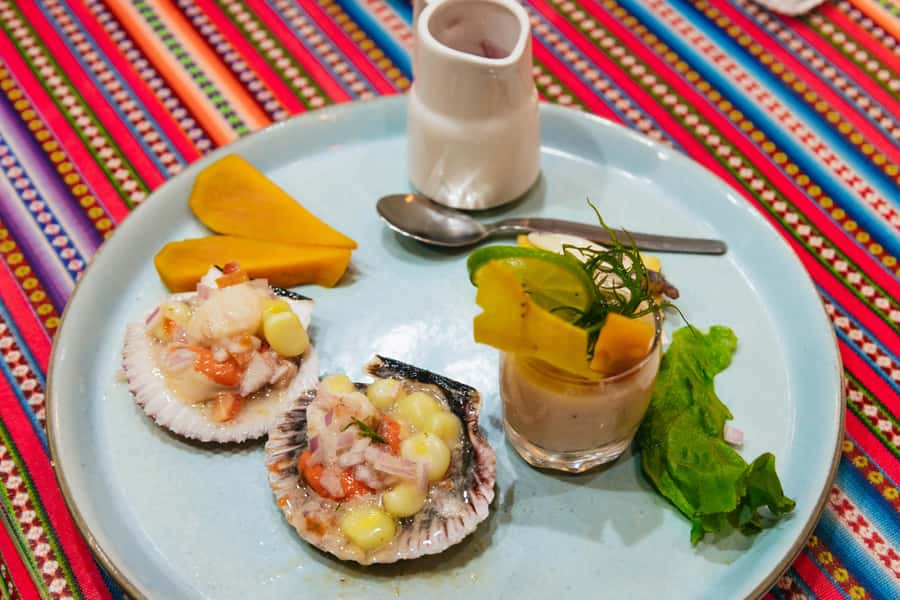
- Comida al paso right in the historic core, not a generic restaurant circuit
- Mercado Central for a proper look at ingredients, stalls, and how Peru shops for flavor
- Barrio Chino and chifa tasting time, showing Peru’s Chinese influence in everyday form
- Multiple photo stops at major colonial-era landmarks—Cathedral, La Merced, and San Francisco area
- Chilcano and spirits included, so you’re tasting drinks alongside food
- Real pacing feedback: short walks, frequent pauses, and plenty of food to skip dinner
Why this Lima historic-center food tour works (and who it suits)
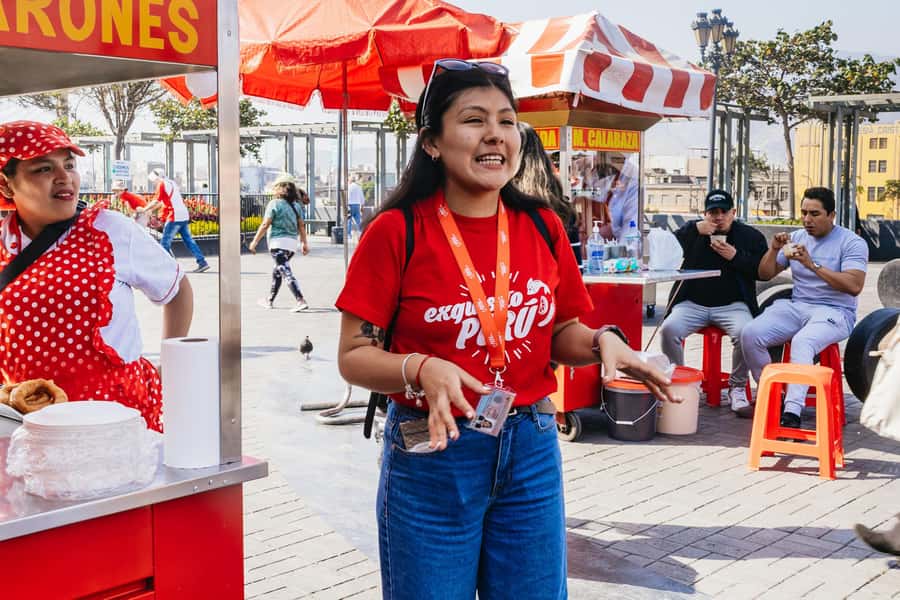
Lima can feel big and a little chaotic at first. This tour gives you a clear path through the Historic Center, starting and ending in walkable, central zones. You’re not just eating random samples; you’re watching the city’s layout and learning how it shapes what people buy and cook.
If you like two things—good local food and streets with stories—you’ll enjoy this format. You’ll hop between photo stops near iconic buildings and then jump into smaller local spots where locals actually snack. Many guests finish feeling comfortably full, with enough tastings to skip an evening meal.
This is also a good “first Lima evening” tour. One common theme in the feedback is that it helps people get their bearings fast: architecture in the background, food in the foreground, and a guide steering you through both.
That said, it’s not for every diet. The tour explicitly can’t provide alternatives for pescatarian, vegetarian, or vegan diets, and it’s not suited to severe gluten or nut allergies (some foods can have traces).
More of old Lima, the catacombs and Plaza Mayor


Starting at Gran Hotel Bolívar and Plaza San Martín
The meeting point is the main door of the famous Gran Hotel Bolívar on Jirón de la Unión 958, in Plaza San Martín. That’s a smart start: you’re dropping into Lima’s old-city fabric immediately, not driving out to somewhere generic.
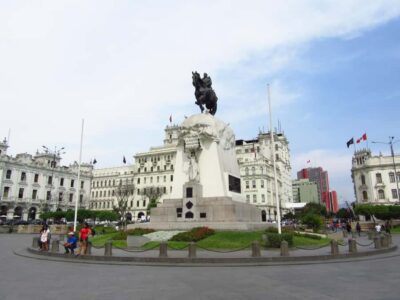
From there, the tour includes a brief stop at Plaza San Martín for sightseeing and photos. It’s short on purpose. In just a few minutes, you orient yourself: you understand which streets pull you toward the historic core, and you get your first sense of how dense this neighborhood is.
Practical tip: wear shoes you’re willing to walk in. The tour includes multiple short strolls between stops, plus one longer market visit. It’s manageable, but you’ll feel it after a day of sightseeing.
Classic eateries and Peru’s drinks: what you’re really tasting first
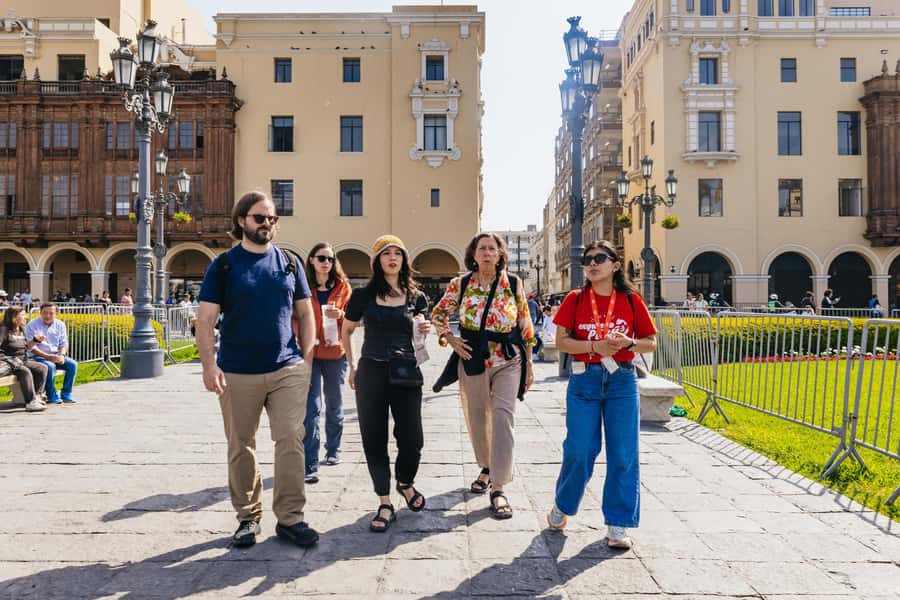
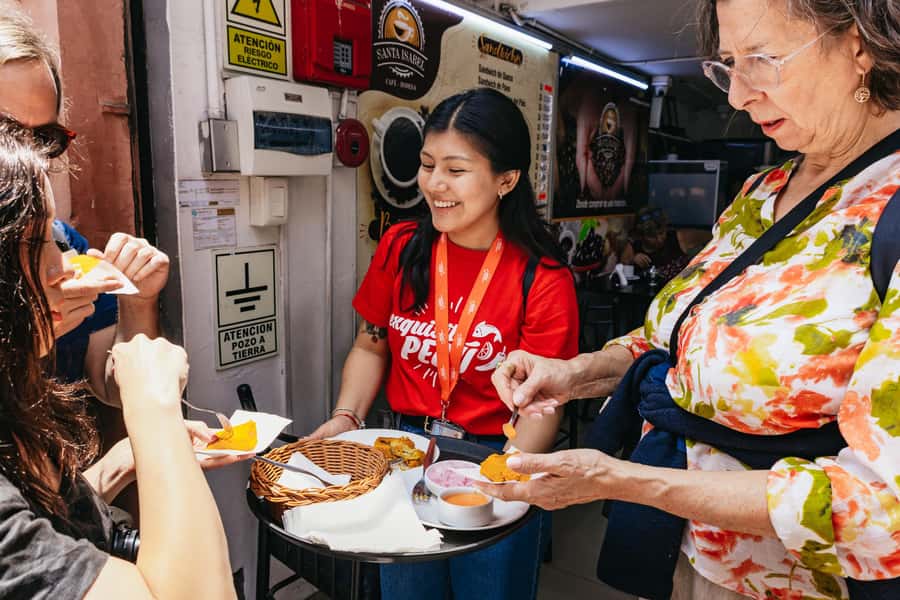
Before you go deep into the walking, you’ll hit a local restaurant for a tasting and a drink. This is where you start learning Lima’s “snack logic”—how people eat quickly, how portions work, and how the flavors show up again and again.
The tour includes tasting items like chilcano, which is a major Lima classic. Multiple guides are highlighted in reviews, including David, Marcos, Aura, Manuel, and Valeria, and the consistent praise is that the food and drink choices feel intentional, not random. You’re given small tastes that build into a bigger picture of what Peru’s everyday eating looks like.
You’ll also later visit a local bar for spirits, so the “drinks first” approach helps you settle into the tour’s rhythm. If you like pairing drinks with food, this is one of the more satisfying parts of the itinerary.
La Merced, Plaza Mayor, and the colonial landmarks you’ll see from the street
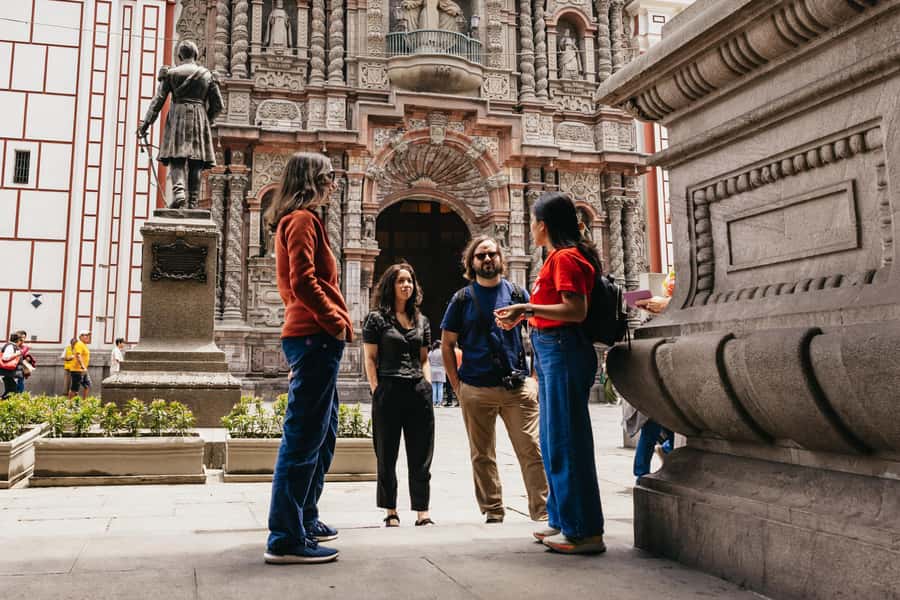
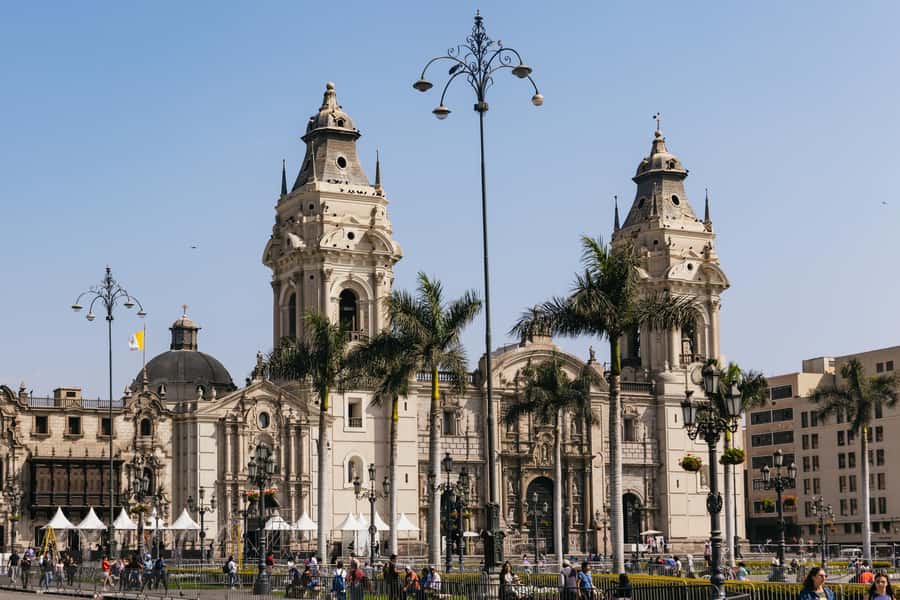
One of the best things about this tour is how it uses landmarks without turning the experience into a museum day. You’ll get outside photo stops at multiple big sites in the historic center, including the areas around Iglesia de La Merced and Plaza Mayor de Lima (often referred to as the city’s heart).
Even when you’re only stopping briefly, these places matter. They show you why Lima’s old neighborhoods feel the way they do: stone church facades, central plazas, and streets that still funnel people toward commerce and daily routines.
The tour also points you past major power and religious anchors, with outside sightseeing including the Lima Cathedral, the Government Palace, and the San Francisco Basilica area. You don’t need to memorize dates to get value here. What you need is context: how the city’s core grew around its institutions, then became a place where food culture thrives in the cracks.
More ceviche counters and street-food crawls
- Lima: Ultimate Peruvian Food Tour★ 4.9 · 700 reviews
- Experience Lima: Taste 12 Snacks and Visit Top Monuments★ 5.0 · 138 reviews
- Lima Street Food Tour Beyond Netflix★ 5.0 · 117 reviews
- Cook an Authentic Ceviche And Peruvian Pisco Sour!★ 5.0 · 107 reviews
Mercado Central: the market stop that makes everything else click
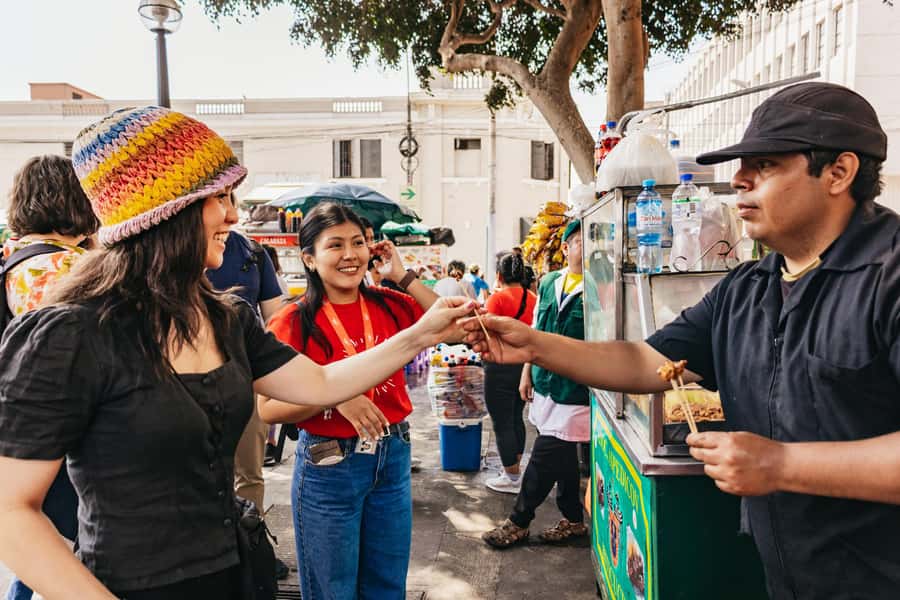
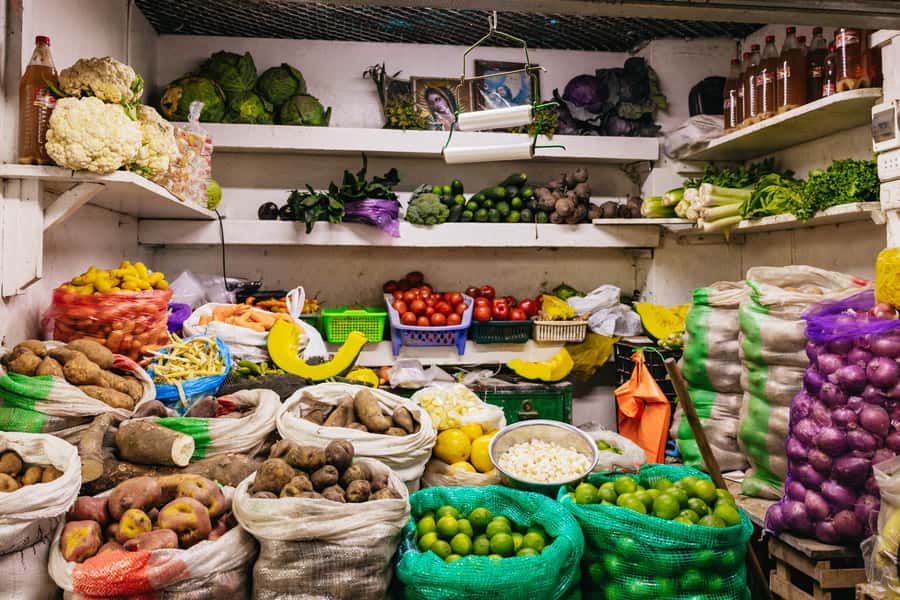
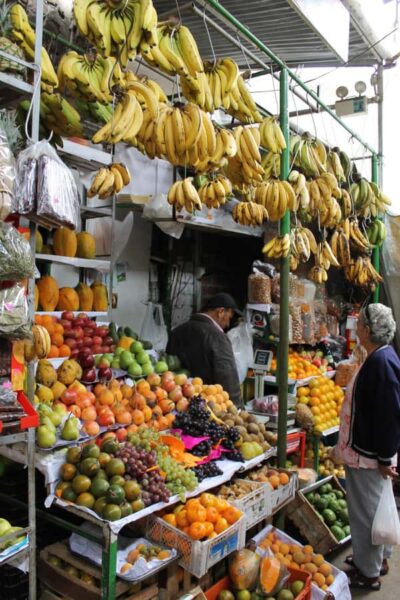
Then comes a turning point: Mercado Central. This is the tour’s “ingredient moment,” where the food stops stop feeling like a list and start feeling like a system.
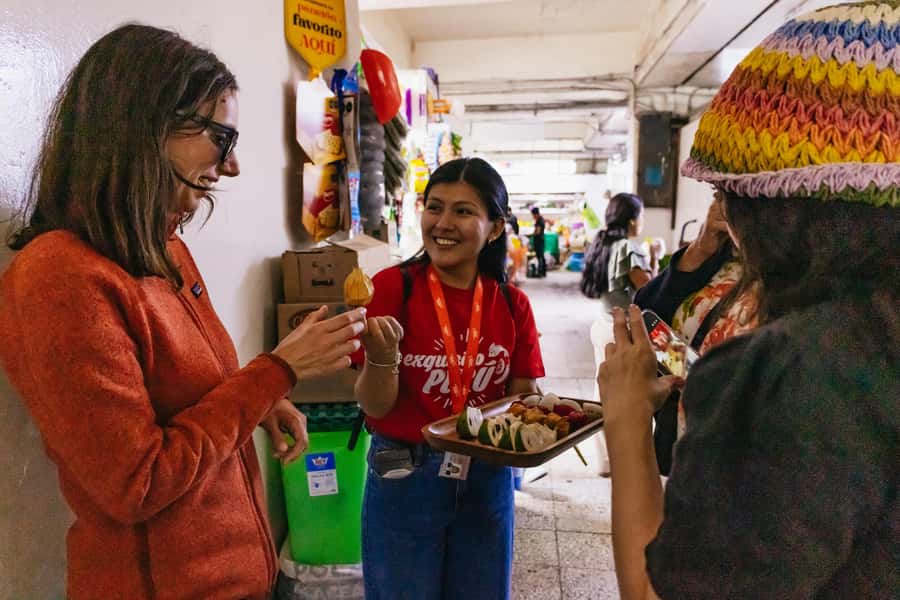
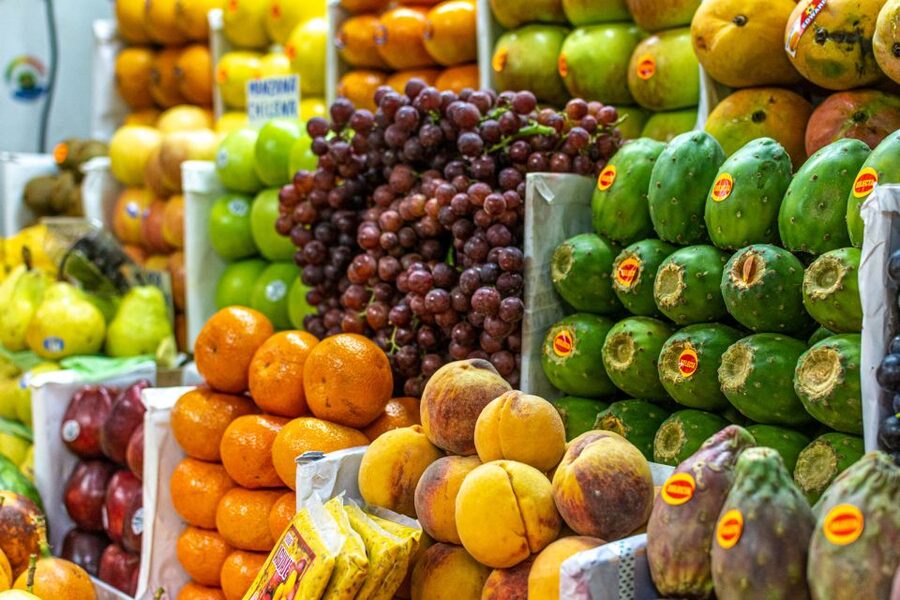
You’ll have time for a market visit that’s built for browsing and sampling. You’ll see produce and specialty goods linked to the snacks you’ll eat later—spices, fresh items, and the kind of everyday buying that supports comida al paso culture.
A few details show up in the feedback that I’d take seriously when planning your expectations:
- People mention extra fruit stops at the market, which suggests the guide is ready to add small extras when it fits the flow.
- Guests often describe the market as a major highlight because it’s not just walking past stalls. You’re there to learn and taste.
If you’re the type who likes food history, this stop is where it becomes practical. You see the raw material logic behind the dishes. And even if you don’t care about the theory, you’ll still enjoy the sensory overload: colors, smells, and constant movement.
Barrio Chino (Chinatown) and chifa: where Peru’s flavors get a second voice
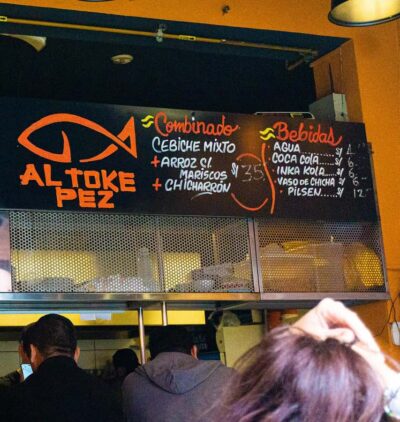
Next you head into Barrio Chino for street food tasting and sightseeing. This is where the tour gets more interesting than a typical “historic center + desserts” walk.
In Chinatown, you’re sampling chifa, Peru’s Chinese-Peruvian food fusion. The value here isn’t just novelty. It’s that the fusion shows how Lima’s culture has absorbed other influences over time—and how that absorption shows up in everyday food.
The tour keeps this section fairly short (so you don’t lose the group), but it’s still enough time to taste and walk enough streets to feel the neighborhood character change. Many guests specifically call out the Chinatown segment as a standout because it breaks the routine.
Desserts and sweets: yes, it’s a real theme here
Dessert shows up more than once, and at least one reviewer said the sweet side felt heavier than expected. Another guest described ending with a big churro and a full picarones (a type of sweet fritter/donut). The pacing seems designed to keep you full—small savory bites early, then more noticeable sweet moments at the end.
So here’s how I’d frame it for you: this isn’t a diet tour, and it isn’t a “savory-only” food tour. If you love sweets, you’ll feel taken care of. If you don’t, you’ll want to adjust your expectations and maybe eat a lighter lunch before you go.
A small strategy that helps: think of the dessert stops as part of the tasting lesson. You’re learning which flavors Peru saves for the “final note” of a meal. That mindset makes the sweet sections less repetitive and more informative.
San Francisco Basilica area and the local bar for spirits
One of the tour’s final sightseeing anchors is the Basílica y Convento de San Francisco de Lima area. Even with a short photo stop, this part of the day gives you those big colonial visuals people come to Lima for—massive stone structures and the sense that the city’s old power center is right there.
After that, you’ll visit a local bar for spirits. This is a nice contrast: first you’re looking at historic stone, then you’re tasting something you can connect to modern social life. It keeps the tour from feeling like pure sightseeing or pure eating.
If you enjoy a guided evening plan where the guide keeps you moving without rushing, this segment seems to land well. Multiple reviews highlight good pacing, and the group rests at several points rather than constant walking with no breaks.
Ending at Alameda Chabuca Granda: what a good finish feels like
You finish at Alameda Chabuca Granda. That’s a useful way to end, because it puts you back in a lively central strip where you can decide what your night should be next—another snack, a casual stroll, or just heading back with a satisfied stomach.
Many guests say they leave so full they skip dinner. That matters for planning: build your day so this can be your big “food event,” not just a side stop.
Price and value: is $69 per person a smart deal?
At $69 per person for a 4-hour guided experience, the value comes from three buckets:
- Multiple tastings plus drinks
You’re not paying for one restaurant meal. You’re paying for a sequence: restaurant tastings, market time, street-food stops, and sweet finales.
- Entrance-free sightseeing with a local guide
The tour includes outside sightseeing at major landmark areas, plus walking that’s guided rather than DIY wandering.
- Chifa + market = bigger than a typical street-food loop
A lot of “food walks” stick to one vibe. This one adds Mercado Central and Chinatown, so your tasting menu gets wider and your Lima story gets longer.
The strongest reason to consider it: review feedback repeatedly points to guides like Aura and Marcos (and others named above) making the tour feel worth the time—because the guide’s job is more than “show up, eat, move on.”
Quick booking checklist before you go
This tour has a few clear rules that can affect whether it works for you:
- It’s English-guided only on the shared format.
- Pescatarian, vegetarian, and vegan travelers should not book because alternatives aren’t provided.
- Avoid if you have severe gluten or nuts allergies (trace exposure is possible).
- No luggage or large bags are allowed. Plan to travel light.
Also, if desserts aren’t your thing, read this as a heads-up rather than a deal-breaker. The sweet section is a real pattern.
Should you book this Lima historic-center street food tour?
I’d book it if you want an easy way to connect Lima’s food culture to its streets. You’ll get landmark photo moments, guided walks that don’t drag, and tasting variety that includes Peruvian staples plus chifa in Chinatown. Guides such as Marcos and Aura are repeatedly praised for guiding both the eating and the understanding.
I wouldn’t book it if you need vegetarian/vegan alternatives or have severe gluten/nut allergies. And if you’re actively trying to minimize sweets, know this tour leans that way near the end.
If you want one practical “best use” tip: schedule it early in your trip. It’s the kind of tour that helps you understand what to order later, where to go for ingredients, and how Lima’s historic center actually functions day to day.
FAQ
How long is the Lima Historic Center Street Food, Market, and Eateries Tour?
The tour lasts 4 hours.
How much does the tour cost?
The price is $69 per person.
Where does the tour start and where does it end?
It starts at the main door of the Gran Hotel Bolivar Lima in Plaza San Martin, and it finishes at Alameda Chabuca Granda.
Is the tour offered in languages other than English?
The shared tour is guided in English only. For other languages, you’ll need a private tour.
Are dietary alternatives available for vegetarian or vegan travelers?
No. If you are pescatarian, vegetarian, or vegan, the tour says not to book because alternatives won’t be provided.
Are there restrictions on luggage and allergies?
Large bags or luggage are not allowed. The tour also asks guests not to book if they have severe gluten or nuts allergies due to possible traces in some foods.
More Tour Reviews in Lima
- Lima: Ultimate Peruvian Food Tour
★ 4.9 · 700 reviews - Full Day Paracas Ica and Huacachina from Lima All Included
★ 4.5 · 623 reviews - Lima’s Vibrant Heritage: Exploring the City’s Landmarks Half-day
★ 4.5 · 581 reviews - From Lima: Day trip to Paracas, Ica and Oasis Huacachina
★ 4.6 · 409 reviews - Private transfers from Lima Airport or to Lima Airport
★ 4.0 · 359 reviews
Still Hungry in Lima?
- Lima: Ultimate Peruvian Food Tour
★ 4.9 · 700 reviews - Experience Lima: Taste 12 Snacks and Visit Top Monuments
★ 5.0 · 138 reviews - Lima Street Food Tour Beyond Netflix
★ 5.0 · 117 reviews - Cook an Authentic Ceviche And Peruvian Pisco Sour!
★ 5.0 · 107 reviews - Lima: Miraflores Trending Flavors Half-Day Walking Tour
★ 4.9 · 98 reviews
Deeper Into Old Lima
- Lima’s Vibrant Heritage: Exploring the City’s Landmarks Half-day
★ 4.5 · 581 reviews - Lima: Water Magic Circuit, Downtown and Catacombs Night Tour
★ 4.8 · 142 reviews - Essential Lima: Half-Day Tour with Catacombs & Pick-Up
★ 5.0 · 141 reviews - Historic Downtown, Miraflores & Catacombs Private Tour
★ 5.0 · 100 reviews - Lima City Tour. Pre-Hispanic, Colonial and Modern Tour.
★ 5.0 · 74 reviews
Fresh from our Lima notebook, a few recent write-ups
Historic Center & Catacombs, compared.
 ★ 4.5Lima’s Vibrant Heritage: Exploring the City’s Landmarks Half-dayFrom $39581 reviews
 ★ 4.8Water Magic Circuit, Downtown and Catacombs Night TourFrom $75142 reviews
 ★ 5.0Essential Lima: Half-Day Tour with Catacombs & Pick-UpFrom $23141 reviews
 ★ 5.0Historic Downtown, Miraflores & Catacombs Private TourFrom $75100 reviews
 ★ 5.0Lima City Tour. Pre-Hispanic, Colonial and Modern Tour.From $3574 reviews
 ★ 5.0Explore the Catacombs, Lima Main Square & Magic Water ShowFrom $5958 reviews
 ★ 5.0Guided Tours in Colonial and Modern LimaFrom $4454 reviews
 ★ 5.0Lima´s Vibrant Heritage & Larco Museum of Cultures Half Day TourFrom $6948 reviews
Browse the lists this tour appears in