
Reviewed · PARACAS & BALLESTAS ISLANDS
Lima and Nasca : Ballestas -Huacachina-Nasca Lines
Two days in Peru can feel like a movie. You ride a speedboat through Paracas Bay to see wildlife up close, then fly over the Nasca Lines and watch the desert suddenly make sense. I love the Ballestas stop for its pelicans, sea lions, and the Candelabra view from the water. I also love Huacachina at golden hour, when the buggy rides and sandboarding turn the dunes into a real-life photoshoot.
A single possible drawback: the schedule is tight, and the day starts early. With a 5:30 a.m. pickup and a flight that has to match your timing, any hiccup in connections can make you wait or miss one meal, so go in with a calm attitude and a little buffer.
In This Review
- Key highlights you’ll feel quickly
- Paracas Bay to Ballestas Islands: wildlife and the Candelabra from the water
- Tacama and the Pisco route: a calm break between coast and dunes
- Huacachina buggy rides and sandboarding at sunset
- Nasca Lines from the air: 35 minutes that change how the desert reads
- Chauchila cemetery, Cantalloc aqueducts, and a ceramics workshop with an archaeologist guide
- Price and value at about $490 per person: what you get, and what to watch
- Comfort, timing, and best-fit travelers
- Should you book this Lima–Nasca route?
- FAQ
- How long is the Lima to Nasca trip?
- What are the main activities during the trip?
- What meals are included?
- Is hotel pickup and drop-off included?
- What language(s) are guides available in?
- What is the cancellation policy?
Key highlights you’ll feel quickly
Ballestas Islands by speedboat: Cliffs, colorful hills, and sea life in Paracas Bay.
The Candelabra view: That famous trident is easier to appreciate from the water.
Huacachina buggy + sandboarding: Up and down the dunes, then sunset from a top spot.
Nasca Lines in the air: A 35-minute flight focused on the big recognizable figures.
Desert archaeology stops: Chauchila cemetery, Cantalloc aqueducts, and a ceramics workshop with an archaeologist guide.
Guides and timing support: Some groups are led by guides like Rafael, praised for keeping things moving and personable.
Paracas Bay to Ballestas Islands: wildlife and the Candelabra from the water
This trip starts by getting you out of Lima early, because Paracas is best when the morning light is still kind. Once you arrive, you get some free time around El Chaco, the small fishing village with a boulevard looking over Paracas Bay. It’s not a big city moment, but it’s a nice palate reset before the speedboat rush.
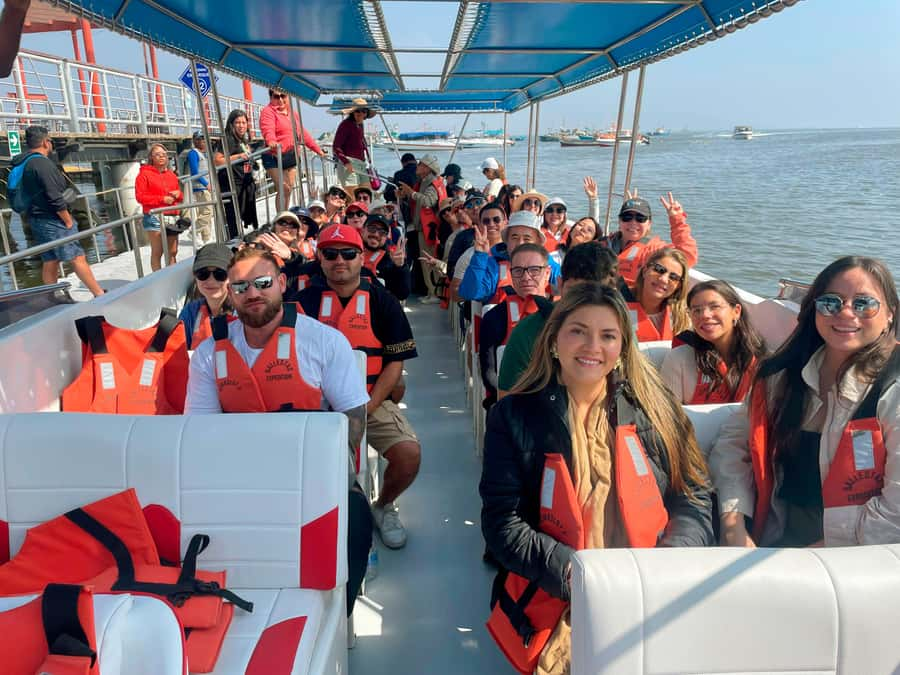
Then you’re on the water for roughly a two-hour ride around the Ballestas Islands. What I like here is that it’s not just sightseeing. You’re skimming a real coastal ecosystem, so the wildlife feels present—not staged.
Expect sharp contrasts: sea and cliffs, bright hills in the distance, and a lot of birdlife. Your boat time is aimed at spotting pelicans and other birds in their natural habitat, plus the famous Candelabra (the trident-style figure) carved into a hillside. From the bay, it’s easier to grasp the scale than from a standing viewpoint—your brain instantly upgrades from postcard to “how on earth did they do that?”
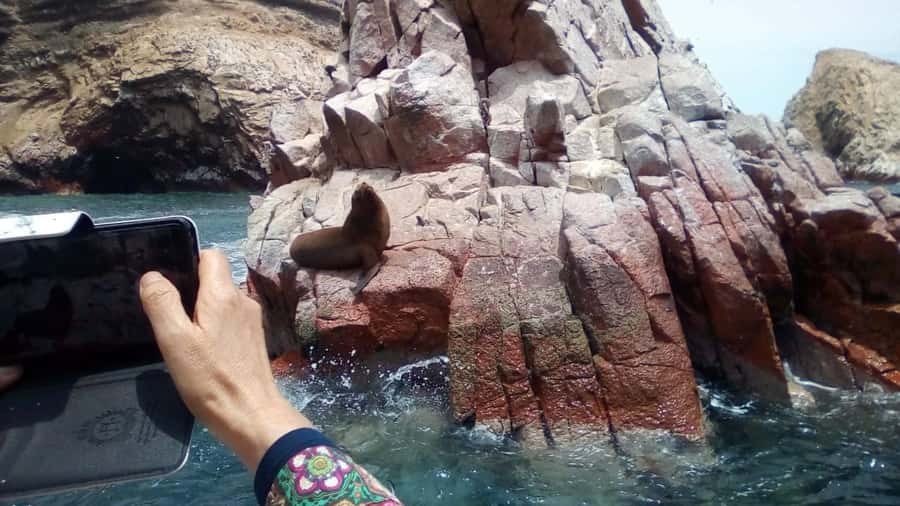
Wildlife is a big part of the draw. You might see species like Zarzillo, Guanay, the Peruvian booby, chuitas, Humboldt penguins, and sea lions. Even if your sightings are not perfect, the overall vibe stays memorable because you’re moving along the coastline, not stuck waiting for a bus.
Practical tip: bring a light layer and some sun protection. Speedboats can be breezy, and you’ll want to protect your face and eyes for the ride plus the photo stops.
More Ballestas boat runs and Paracas reserve days


Tacama and the Pisco route: a calm break between coast and dunes
After Paracas, the plan shifts toward Pisco and wine at Tacama, one of the oldest Pisco and wine cellars in South America. This part works well because it slows the pace. You’re no longer bouncing over waves or climbing sand dunes; you’re sitting, listening, and learning how Pisco production and wine traditions connect to the region.
You’ll also get a typical lunch here—served in a popular restaurant setting under grapevines, with the smell of wine in the air. Even if you’re not a hardcore drinker, I think this stop is valuable. It gives context: you’re seeing Peru’s coast in more than one way. Salt air and fishing villages are one story; vineyards and craft cellars are another.
If you’re traveling with people who want variety, this is a win. It’s also a good moment to eat something substantial before the adrenaline starts again.
Huacachina buggy rides and sandboarding at sunset
Huacachina is one of those places that makes you understand why people come back to Peru more than once. After lunch and travel time, you get to the dunes area and at 4:00 p.m. you head out by buggy.
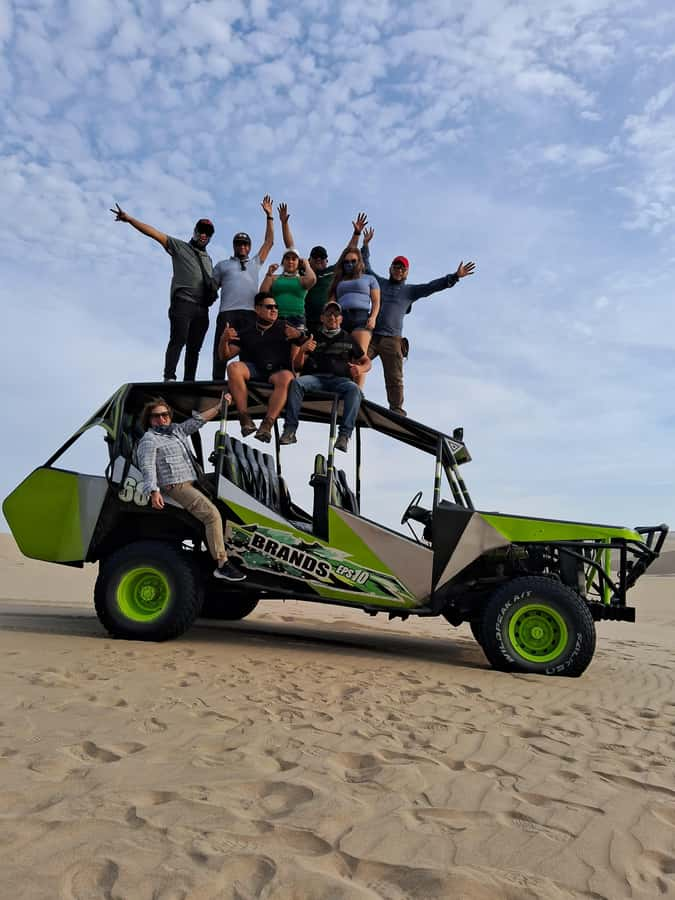
The core idea is simple: you explore the giant sand dunes beyond Huacachina, ride over the crests, and then switch to sandboarding. The experience is built around repeats—climb back up, slide down, and do it again—so you’re not just trying it once and feeling done. The dunes are steep enough that you’ll feel it in your legs later, but the payoff is real.
The best part is where they take you at the end: a favorite dune spot to wait for sunset. This is where your photos go from “I’m here” to “I can’t believe this is real.” The orange light on sand makes the whole landscape look warmer and more cinematic.
Practical tip: wear something you don’t mind getting sandy. Sand finds your shoes, your camera strap, and places you didn’t know existed. Bring sunglasses and try to keep your phone protected; you’ll be moving fast.
Nasca Lines from the air: 35 minutes that change how the desert reads
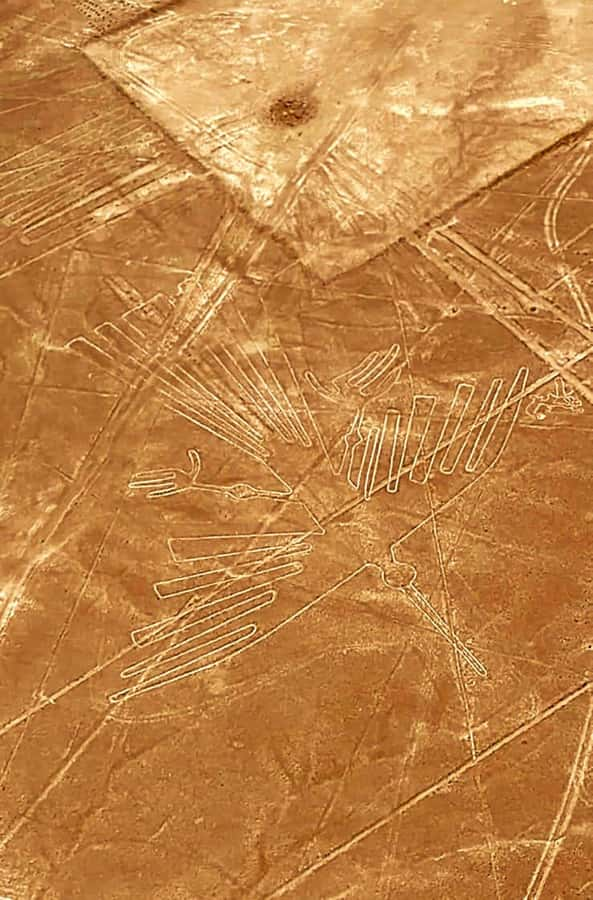
The Nasca day is the payoff for most people, and it’s also the part you should treat with the most attention. After breakfast, you travel to the María Reiche aerodrome and board a plane for about 35 minutes over the Nasca Lines.
From the air, you’ll be looking for major figures such as the Pelican, Spider, Hummingbird, Condor, Astronaut, and other geometric shapes. The exact order can vary based on flight pattern, wind, and timing, but the goal is consistent: see the lines clearly enough to recognize the big forms.
Why the flight matters: the Nasca Lines are hard to appreciate on the ground. From below, you’d be searching and guessing. From the plane window, you can suddenly connect line direction, perspective, and scale. It stops being mysterious in the lazy way and becomes “this was engineered.”
In terms of experience planning, remember that this is a short window. The plane time is not long, and you’ll want your energy ready. If you’re the type who gets anxious in transit, try to arrive with a steady mindset and avoid rushing. You’ll get more enjoyment that way.
One thing to keep in mind: in at least one real-world case, a connection problem caused a passenger to wait and handle a flight cost issue separately. I can’t predict that for your trip, but it’s a strong reason to double-check how you’re getting from place to place and to keep your expectations flexible around exact timing.
More dune buggies and sandboarding at Huacachina
- Lima: Paracas & Huacachina Oasis Day Trip with Wine & Dunes★ 4.7 · 266 reviews
- Lima: Ballestas & Huacachina Day Trip w/ Nazca Lines Flight★ 4.9 · 117 reviews
- Lima : Paracas & Huacachina- Day to Islas Ballestas & Sandboard★ 4.5 · 115 reviews
- Private Tour to the Astonished Nazca Lines and Huacachina Oasis★ 5.0 · 84 reviews
Chauchila cemetery, Cantalloc aqueducts, and a ceramics workshop with an archaeologist guide
After the flight, the day shifts from sky to desert history. This is where the trip becomes more than a “look at the famous thing” schedule.
You’ll visit three big stops:
- Chauchila cemetery
- Cantalloc aqueducts
- A pottery and ceramics workshop
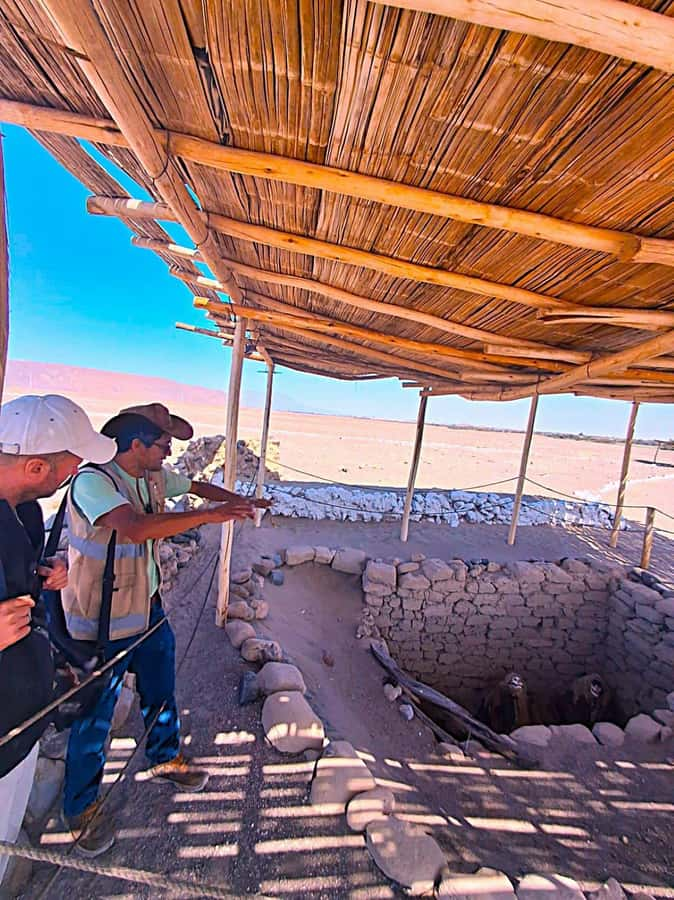
An archaeologist guide explains what you’re seeing, including the ideas behind tombs, mummies, textiles, and drawings on pottery. Even when the details aren’t exactly what you expected, the guide’s job is to make the desert feel less empty and more purposeful.
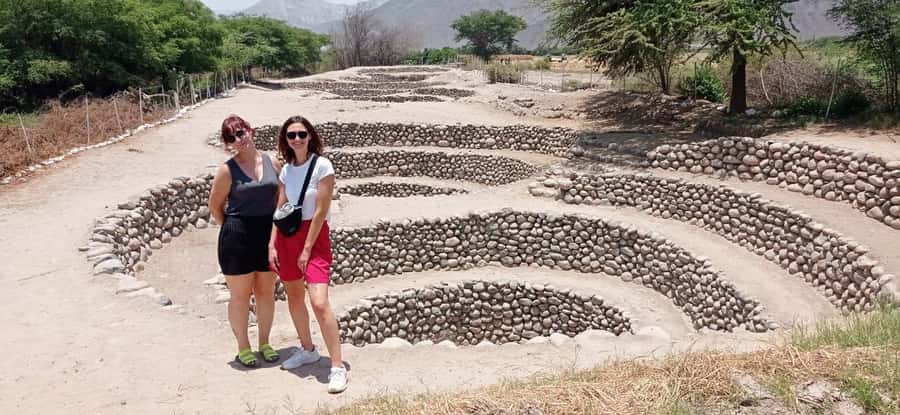
The aqueduct stop, in particular, helps you understand how Nasca life depended on systems built for survival. You’re looking at water management in a dry place. It gives the region’s achievements a physical backbone.
The ceramics workshop adds another layer. You learn about Nasca ceramics and painting, and the way art communicates identity, mythology, and everyday life. If you like history that you can see and touch, this is where your brain stays engaged because you’re not only listening—you’re learning how the region expressed itself visually.
Practical tip: wear a hat and keep water handy. The desert can be dry and warm even when you think it shouldn’t be, and your time outside is not short.
Price and value at about $490 per person: what you get, and what to watch
At $490 per person for two days, you’re paying for a tight mix: private transport with Wi‑Fi, a speedboat tour, the Pisco and wine cellar visit, an overnight in Nasca with breakfast, a Huacachina dune experience (including sandboarding and sunset time), and the 35-minute Nasca Lines flight plus multiple guided archaeological stops and entrance fees.
What makes the value feel stronger is that a lot is bundled:
- pickup and drop-off at your hotel/Airbnb/hostel
- speedboat for Ballestas
- Tacama tour
- one breakfast + two lunches
- 35-minute flight over Nasca
- Cantalloc aqueducts, Chauchila cemetery, and ceramics workshop
- entrance fees
- live multilingual guide support (Spanish, English, French, German mentioned)
Where you should be alert is timing and connections. In one documented case, a passenger had to deal with missed timing and then cover a flight cost themselves. I don’t know what caused that particular mix-up, but it’s a reminder that multi-leg trips can be sensitive to schedule errors. If you’re the kind of traveler who hates uncertainty, ask the operator ahead of time how they handle flight confirmation and what happens if a transfer runs late.
Also, since this is a two-day loop, your best “value move” is to pack light and be ready to go quickly. If you plan to spend tons of time browsing and wandering on your own each stop, this itinerary may feel structured.
Comfort, timing, and best-fit travelers

This trip is designed to move. You’re looking at a 5:30 a.m. pickup, then long blocks in transport, then action at Paracas, more driving, sandboarding in the afternoon, and a flight the next day. That’s a lot of motion for two days, so it helps if you’re comfortable with that rhythm.
Good fit if you:
- want a big “Peru highlights” hit without planning every detail
- love wildlife and don’t mind boats
- want dunes plus desert history, not just one theme
- like guided explanations, especially for the archaeology and ceramics
It can be less ideal if you:
- want slow travel with lots of free time to wander
- get stressed by tight connections and morning starts
Guide quality matters here. Some groups report excellent organization, with guides like Rafael praised for taking care of timing and making the trip feel personal. When a guide keeps the day aligned, this kind of itinerary feels smooth. When something goes wrong, the difference between a smooth and stressful day often comes down to how quickly the team solves it.
Language note: the experience lists guides speaking English, French, and German (and also mentions Spanish, English, French, German speaking guide). If you travel with friends and need a specific language, confirm that in advance.
Should you book this Lima–Nasca route?

I think this is a strong book if you want a classic Peru arc: coast wildlife, adrenaline dunes, and one of the world’s most famous aerial mysteries, wrapped with archaeology and ceramics that add real meaning.
Book it if you can handle an early start and you like structured days with a clear plan. Skip it if you’re sensitive to schedule changes or you strongly prefer lots of unscheduled time.
If you do book, your best success move is simple: keep your essentials ready for the action days (sun protection, layer, and a way to protect electronics), and stay flexible around timing because flights and boat rides can’t be fully rearranged on the spot.
FAQ

How long is the Lima to Nasca trip?
It runs for 2 days.
What are the main activities during the trip?
You’ll do a speedboat tour to the Ballestas Islands, Huacachina buggy and sandboarding with sunset, a 35-minute flight over the Nasca Lines, and guided visits including the Chauchila cemetery, Cantalloc aqueducts, and a ceramics workshop.
What meals are included?
The package includes 1 breakfast and 2 lunches.
Is hotel pickup and drop-off included?
Yes. Pickup and drop-off are included at your hotel, Airbnb, or hostel.
What language(s) are guides available in?
The trip lists live guides in English, French, and German (and also mentions Spanish, English, French, German speaking guide).
What is the cancellation policy?
You can cancel up to 24 hours in advance for a full refund.
Still Chasing the Nazca Lines?
- Lima: Ballestas & Huacachina Day Trip w/ Nazca Lines Flight
★ 4.9 · 117 reviews - Private Tour to the Astonished Nazca Lines and Huacachina Oasis
★ 5.0 · 84 reviews - From Lima: Ballestas, Nazca Lines & Huacachina Oasis
★ 4.5 · 82 reviews - Nazca Lines & Ballestas Islands Private Tour Bus&Flight from Lima
★ 4.0 · 77 reviews - From Lima: Nazca Lines and Ica Desert Day Trip
★ 4.7 · 65 reviews
More Time in the Dunes
- Full Day Paracas Ica and Huacachina from Lima All Included
★ 4.5 · 623 reviews - From Lima: Day trip to Paracas, Ica and Oasis Huacachina
★ 4.6 · 409 reviews - Lima: Paracas and the Huacachina Oasis Guided Day Tour
★ 4.5 · 354 reviews - From Lima: Full Day to Paracas and Huacachina Desert Oasis
★ 4.6 · 301 reviews - Lima: Paracas & Huacachina Oasis Day Trip with Wine & Dunes
★ 4.7 · 266 reviews
Back Out to the Ballestas
- Full Day Paracas Ica and Huacachina from Lima All Included
★ 4.5 · 623 reviews - From Lima: Day trip to Paracas, Ica and Oasis Huacachina
★ 4.6 · 409 reviews - Lima: Paracas and the Huacachina Oasis Guided Day Tour
★ 4.5 · 354 reviews - From Lima: Full Day to Paracas and Huacachina Desert Oasis
★ 4.6 · 301 reviews - Lima: Paracas & Huacachina Oasis Day Trip with Wine & Dunes
★ 4.7 · 266 reviews
Fresh from our Lima notebook, a few recent write-ups





Paracas & Ballestas Islands, compared.
 ★ 4.7Paracas and Huacachina Oasis Full Day Guided TourFrom $591,780 reviews
 ★ 4.5Full Day Paracas Ica and Huacachina from Lima All IncludedFrom $85623 reviews
 ★ 4.6Day trip to Paracas, Ica and Oasis HuacachinaFrom $61409 reviews
 ★ 4.5Paracas and the Huacachina Oasis Guided Day TourFrom $65354 reviews
 ★ 4.5Paracas: Ballestas Islands Morning Boat TourFrom $17301 reviews
 ★ 4.6Full Day to Paracas and Huacachina Desert OasisFrom $71301 reviews
 ★ 4.7Paracas & Huacachina Oasis Day Trip with Wine & DunesFrom $100266 reviews
 ★ 4.4Ballestas Islands & Paracas National Reserve from ParacasFrom $34228 reviews
Browse the lists this tour appears in