
Reviewed · TREKKING & MOUNTAINS NEAR LIMA
From Lima | Lunahuana River Rafting | Adventure in Canete
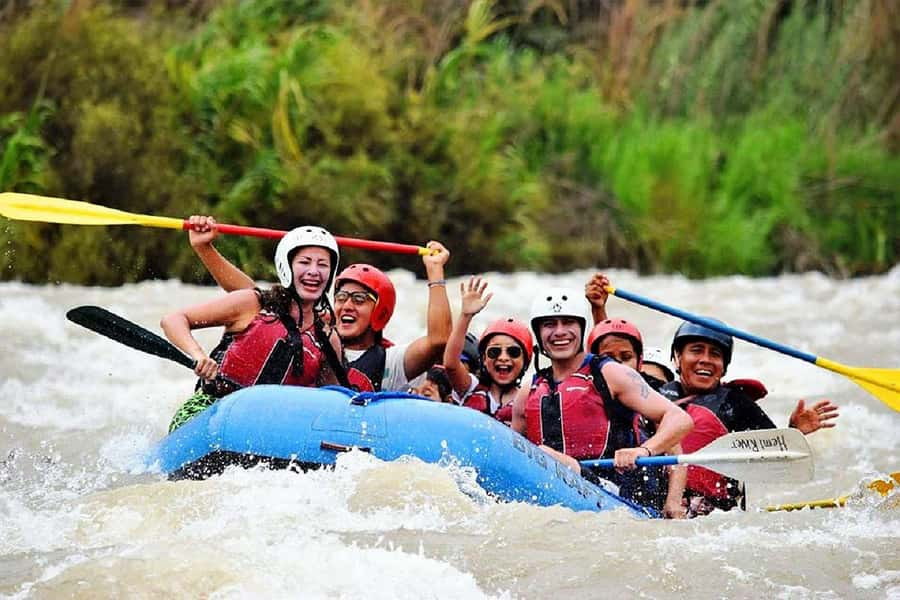
One full day, three different thrills. This Lunahuana adventure from Lima strings white-water rafting on the Canete River together with valley sightseeing and Cañete tastings.
I love how it mixes adrenaline with real local flavors, especially the pisco and wine stops, and then the hands-on learning at the Mis Girasoles bee farm. One drawback to plan for: it runs roughly 5am to 9pm, and lunch isn’t included (there is a lunch break, but you’ll pay for the meal).
In This Review
- Key highlights in plain words
- A 16-hour itinerary that actually feels like a plan
- Meeting at La Rambla and getting out of Lima fast
- Cerro Azul Dock: seaside views plus an old-world dock
- Incahuasi Ruins: Inca palace vibes without overkill
- Lunahuaná town time: square, church, and easy photo portals
- On the Canete River: white-water rafting, guided and safety-first
- ATV, canopy, or canoe: how to choose without overthinking
- Lunch break in Lunahuaná: plan to pay yourself
- Catapalla Village winery visit: how pisco and wine get explained
- Mis Girasoles bee farm: honey education plus real tasting variety
- Price and value: what $49 buys in a long day
- Who should book this Lunahuaná rafting day trip
- Should you book? My honest take
- FAQ
- What time does the tour run?
- Where do I meet for the tour?
- What’s included in the price?
- Is lunch included?
- Are ATV (quad) and zipline included?
- What language is the tour guide?
Key highlights in plain words
- Cerro Azul dock (1924): a long dock with sea views and a small craft-fair stop
- Incahuasi ruins: a panoramic look at the Inca palace and its religious quarter
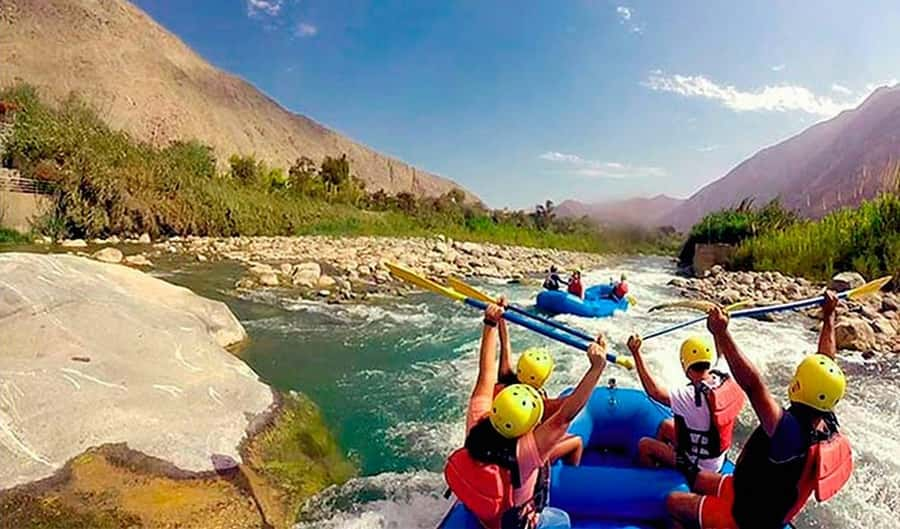
- Canete River rafting: the main event, with guided safety protocols
- Lunahuaná action: you’ll choose from options like ATV/quad or other adventure activities
- Catapalla tastings + Mis Girasoles: pisco/wine learning paired with honey, pollen, and propolis sampling
A 16-hour itinerary that actually feels like a plan
This tour is built for one thing: squeezing a lot of good experiences into a single day without feeling random. The schedule is long—about 16 hours total—and it starts early from La Rambla Shopping Mall near Lima. The upside is you get the Canete River energy plus time for cultural stops and tastings, all in the same go.
It also helps that you’re with a live guide in Spanish, and the team is organized enough that you’re not left wandering between activities. In at least one praised experience, the guide named Jefferson was singled out for staying with the group and keeping the day running smoothly, plus a driver who was consistently present for the transfers.
More lomas hikes and canyons behind the city



Meeting at La Rambla and getting out of Lima fast
Your day starts at La Rambla Shopping Mall. The tour provides the exact GPS location after booking, which is useful because La Rambla can mean different entrances depending on where you’re coming from.
This isn’t a “hang out on the bus” kind of tour. You’ll be traveling to the Cañete region and moving through stops with a clear rhythm. If you’re the type who gets stressed by early departures, plan to sleep early and keep your morning simple—once you’re on the road, the day runs as one big chain of activities.
Cerro Azul Dock: seaside views plus an old-world dock
Your first major stop is Cerro Azul, in the Cañete area. You’ll visit the Cerro Azul Dock, built in 1924, with an extension of about 400 meters. Even if you’re not a “history person,” docks like this make sense fast: they explain how people used the coast and why the region developed as it did.
You’ll also have time for a scenic break plus a small craft fair typical of Cañete. This is a nice reset before the more physically demanding parts of the day. It’s also a good moment to spot what kind of weather you’re dealing with—coastal sun can be bright, and later you’ll be in places where you’ll want your sunscreen and sunglasses.
Incahuasi Ruins: Inca palace vibes without overkill
After Cerro Azul, the route includes a panoramic stop near San Vicente de Cañete at the Incahuasi Ruins. The focus here is the Inca palace and its religious quarter. The key word is panoramic—this stop is designed to give you a sense of the site in context, rather than turning the day into a long museum-style experience.
What I like about stops like this is they give you “why it matters” without demanding a full afternoon of reading. Your guide will share the history during the stop, so you get a story you can connect to what you’re seeing.
Practical note: ruins visits can involve uneven ground and sun. If you’re bringing water shoes for rafting, you might already be dressed for movement—but wear something you feel stable walking in.
- Lima: Ultimate Peruvian Food Tour★ 4.9 · 700 reviews
- Full Day Paracas Ica and Huacachina from Lima All Included★ 4.5 · 623 reviews
- From Lima: Day trip to Paracas, Ica and Oasis Huacachina★ 4.6 · 409 reviews
- Private transfers from Lima Airport or to Lima Airport★ 4.0 · 359 reviews
Lunahuaná town time: square, church, and easy photo portals
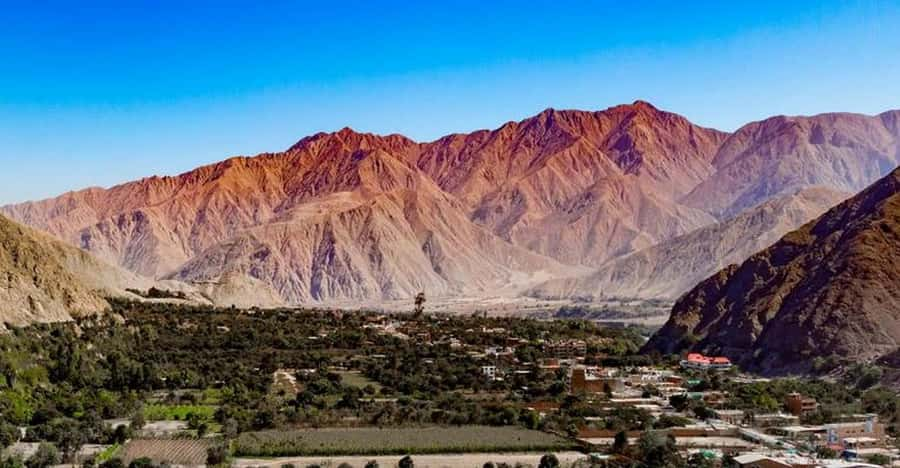
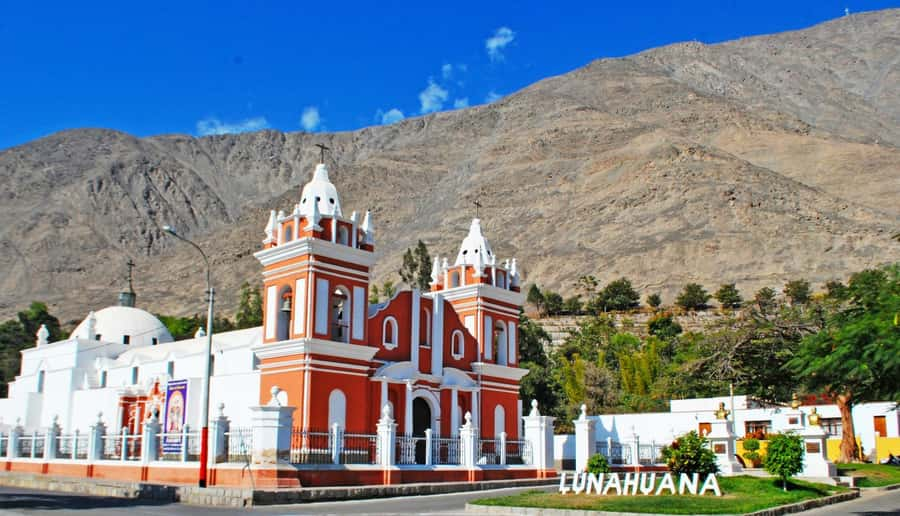
Once you reach Lunahuaná, you’ll slow down a bit to see the town core: the main square, the church, and the portals that frame the valley’s feel. This portion matters more than it sounds. After a lot of travel and adrenaline-building stops, you get a human-scale break that makes the whole day feel connected.
This is also where you can take photos without rushing. If you like travel days that include both activity and atmosphere, this town segment is a big part of the appeal.
One small planning consideration: because you’re doing rafting and then tastings later, don’t over-pack your time here with extra purchases or distractions. Enjoy it, snap your shots, and keep your energy for the water.
On the Canete River: white-water rafting, guided and safety-first
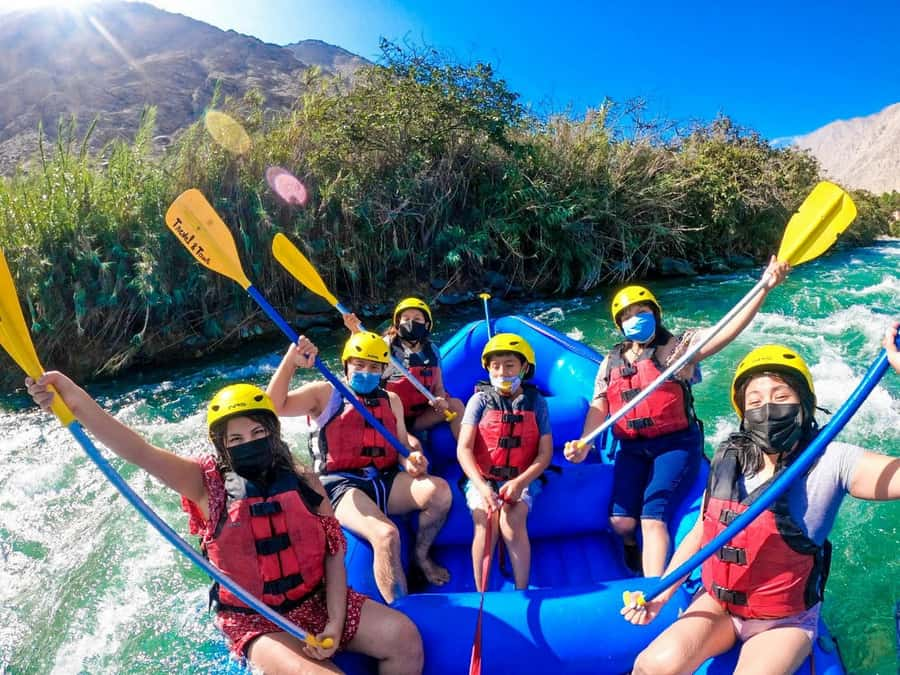
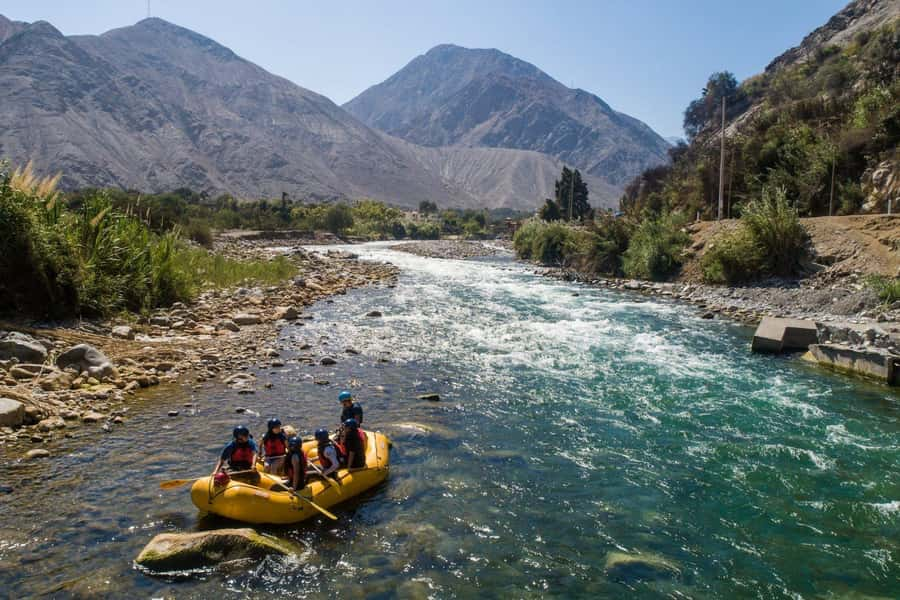
The main show is white-water rafting on the Canete River. The tour is explicit that activities are accompanied and directed by specialized sports staff with security protocols, which is the detail that matters most for rafting days. When the schedule moves fast, you want reassurance that someone on the ground is handling the safety side.
Even without getting lost in technical talk, rafting is where you’ll feel most of the day’s payoff:
- You’ll get the dramatic river motion that makes the Canete region famous for this kind of outing.
- You’ll see the valley from the water level, which is a different angle than any town walk.
What to bring for this portion is simple and important: swimwear, sunglasses, sunscreen, and insect repellent. That combo covers the three common problems—sun glare, skin protection, and bugs—plus it helps you get through the day without scrambling for missing essentials.
ATV, canopy, or canoe: how to choose without overthinking
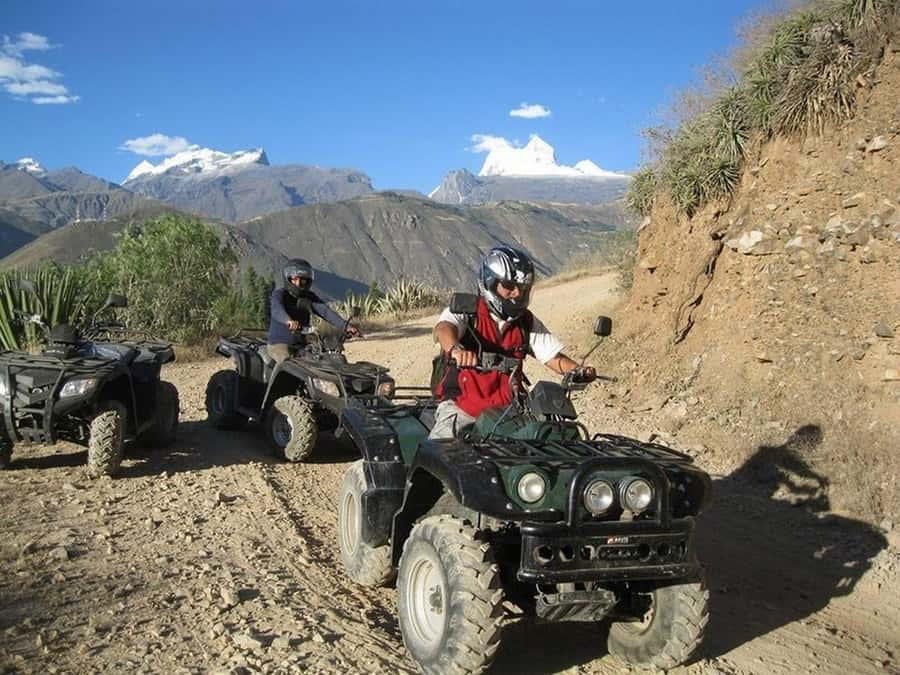
After rafting, the adventure continues at Lunahuaná with sports options like canoeing, canopy, or quad (ATV). The tour description presents these as part of the Lunahuaná adventure block, while also listing add-ons for extra activities:
- Quad (ATV) is shown as optional for $15
- Zipline is shown as optional for $9
So here’s the smart way to think about it: you’re getting a major water adventure either way. Then the second wave is about picking the land/air experience you’ll actually enjoy—not the one you think sounds coolest on paper.
If you want maximum adrenaline and you’re comfortable handling a machine briefly, quad/ATV is a strong choice. If you prefer something fast but less physical than paddling, look at zipline or canopy-style options (when available). If you’re worried about getting too tired after rafting, lean toward the option that feels more controlled.
This is also the part of the day where a good guide makes a difference. The structured nature of the sports staff guidance is what helps the day feel safe and not chaotic.
Lunch break in Lunahuaná: plan to pay yourself
The schedule includes a lunch stop in Lunahuaná, but lunch isn’t included. That means you should treat this like a predictable pause rather than a covered meal.
If you’re sensitive to timing (like I am), use the break to refuel with something simple and not too heavy. Also, keep an eye on your stuff. After rafting, you’ll be in transition mode—dry off when you can, keep essentials together, and don’t wait until the last minute to use sunscreen again.
Catapalla Village winery visit: how pisco and wine get explained
Later in the day you head to Catapalla Village for a winery experience. Here you’ll do a guided visit that includes tasting and learning around:
- wines
- pisco and macerated products
- the step-by-step techniques behind how wine and pisco are produced
This part is valuable because it turns what can be a quick tasting into something more meaningful. When someone explains the process while you’re tasting, you start recognizing flavors with a context. It’s not just drinking; it’s learning how the product gets shaped.
The tasting itself is also a practical win after a physical day. Wine and pisco are part of Peruvian culture, and this stop gives you a direct local version rather than generic “tourist” samples.
Mis Girasoles bee farm: honey education plus real tasting variety
Then comes one of the most interesting stops: Mis Girasoles beekeeping. You’ll get an explanation of the entire honey process—including how bees are bred, how products are extracted, and what the products are used for and what benefits they have.
After the talk, you move into tasting different types of:
- honey
- pollen
- propolis
I like this stop because it’s not only “buy honey” marketing. It gives you a reason to taste slowly. Honey isn’t one flavor. When you taste multiple types like this, you start picking up differences without needing a chemistry degree.
Practical note: if you have allergies, ask about what you’ll be sampling before you dive in. The tour data doesn’t list allergy accommodations, so you’ll want to be careful on your own.
Price and value: what $49 buys in a long day
At $49 per person for a full-day outing, the value is mostly about what’s included versus what you’d pay separately.
Included items are meaningful here:
- Transport
- Rafting
- Pisco tasting
- Tour guide
Then you’ve got optional add-ons that are priced low compared to the amount of time they fill. The tour lists:
- Quad/ATV for $15
- Zipline for $9
The big “value” question isn’t just the price tag. It’s whether the day feels like more than one activity stuck together. With rafting plus valley stops plus winery and bee-farm tastings, it’s closer to a themed circuit than a one-note trip.
The main thing you should mentally account for is that lunch isn’t included, so your total spend might be a bit higher once you eat.
Who should book this Lunahuaná rafting day trip
This is a great fit if you:
- want white-water rafting as the core experience
- like days that blend action + food/drink learning
- enjoy a mix of nature views and short cultural stops (dock views, then ruins, then town)
You might skip it if you:
- hate early starts (it runs around 5am to 9pm)
- need a fully English tour (the guide language is Spanish)
- want a light, low-effort day with minimal travel time
Should you book? My honest take
If you want one organized day that gives you rafting on the Canete River, a real taste of Cañete through wineries and beekeeping, and enough stops to feel like you saw the region—not just the inside of a bus—this is a strong booking.
The decision hinge points are simple:
- You’re okay with a long day and a lunch you’ll pay for
- You’re comfortable doing multiple activities in sequence
- You want to experience Peruvian drinks like pisco in a setting that explains how they’re made, not just pours a sample
If those boxes feel like your style, book it and show up early-minded with your swimwear and sunscreen.
FAQ
What time does the tour run?
It runs about 16 hours, starting around 5am and returning to Lima around 9pm.
Where do I meet for the tour?
You meet at La Rambla Shopping Mall in Lima. The exact GPS location is sent to you.
What’s included in the price?
Included are transport, rafting, pisco tasting, and a tour guide.
Is lunch included?
No. The itinerary includes a lunch break in Lunahuaná, but lunch itself is not included.
Are ATV (quad) and zipline included?
They’re listed as optional add-ons: Quad (ATV) for $15 and Zipline for $9.
What language is the tour guide?
The live tour guide operates in Spanish.
More Tour Reviews in Lima
- Lima: Ultimate Peruvian Food Tour
★ 4.9 · 700 reviews - Full Day Paracas Ica and Huacachina from Lima All Included
★ 4.5 · 623 reviews - Lima’s Vibrant Heritage: Exploring the City’s Landmarks Half-day
★ 4.5 · 581 reviews - From Lima: Day trip to Paracas, Ica and Oasis Huacachina
★ 4.6 · 409 reviews - Private transfers from Lima Airport or to Lima Airport
★ 4.0 · 359 reviews
More Trails Near Lima
- Sandboarding and Off Road in Lima (National Park Lomas de Ancón)
★ 5.0 · 54 reviews - Full Day Pilgrims
★ 5.0 · 28 reviews - From Lima: Cordillera de la viuda | Mountain Exploration
★ 3.9 · 15 reviews - Lima: Cañon de Autisha | Explore the Center of the Earth
★ 4.6 · 8 reviews - Hiking Lomas de Lachay in Lima
★ 4.3 · 4 reviews
Fresh from our Lima notebook, a few recent write-ups



Trekking & Mountains near Lima, compared.
 ★ 5.0Premium Trekking Golden ShadesFrom $4059 reviews
 ★ 5.0Sandboarding and Off Road in Lima (National Park Lomas de Ancón)From $19254 reviews
 ★ 4.8TREKKING GOLDEN SHADOWSFrom $3847 reviews
 ★ 5.0Full Day PilgrimsFrom $20028 reviews
 ★ 3.9Cordillera de la viuda | Mountain ExplorationFrom $3915 reviews
 ★ 4.6Cañon de Autisha | Explore the Center of the EarthFrom $598 reviews
 ★ 4.3Hiking Lomas de Lachay in LimaFrom $1654 reviews
 ★ 3.1Escapada de 2 Días a la Reserva Nor Yauyos-CochasFrom $1503 reviews
Browse the lists this tour appears in