
Reviewed · HISTORIC CENTER & CATACOMBS
La casa de Aliaga, an alive colonial jewel at Lima center.
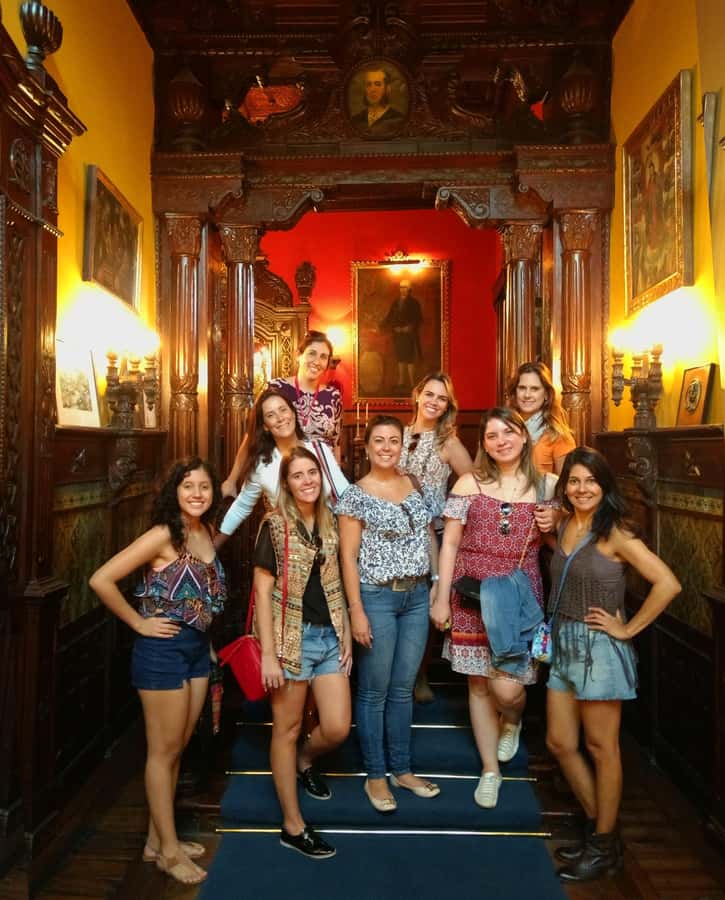
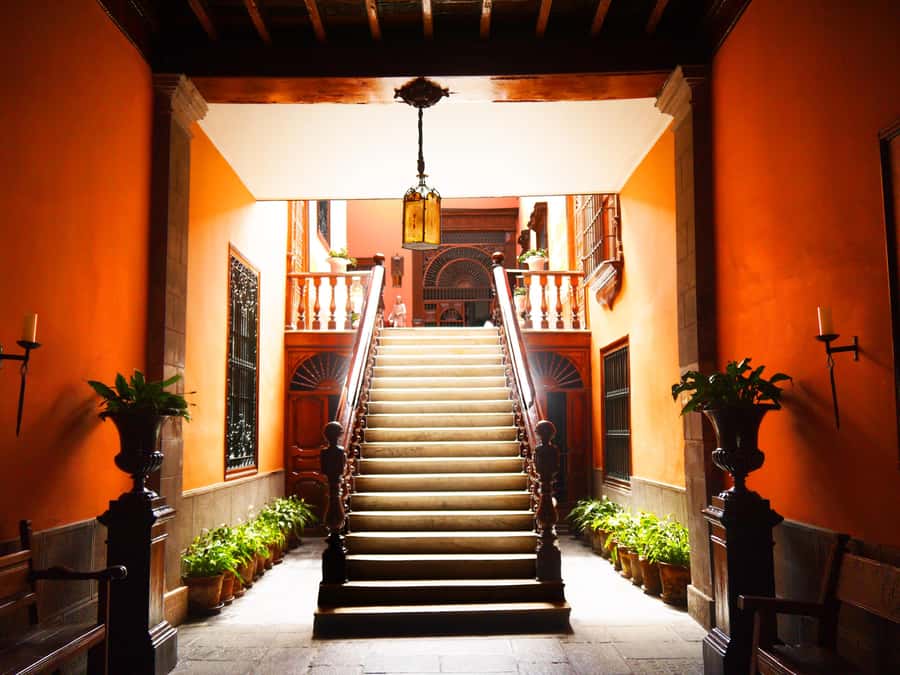
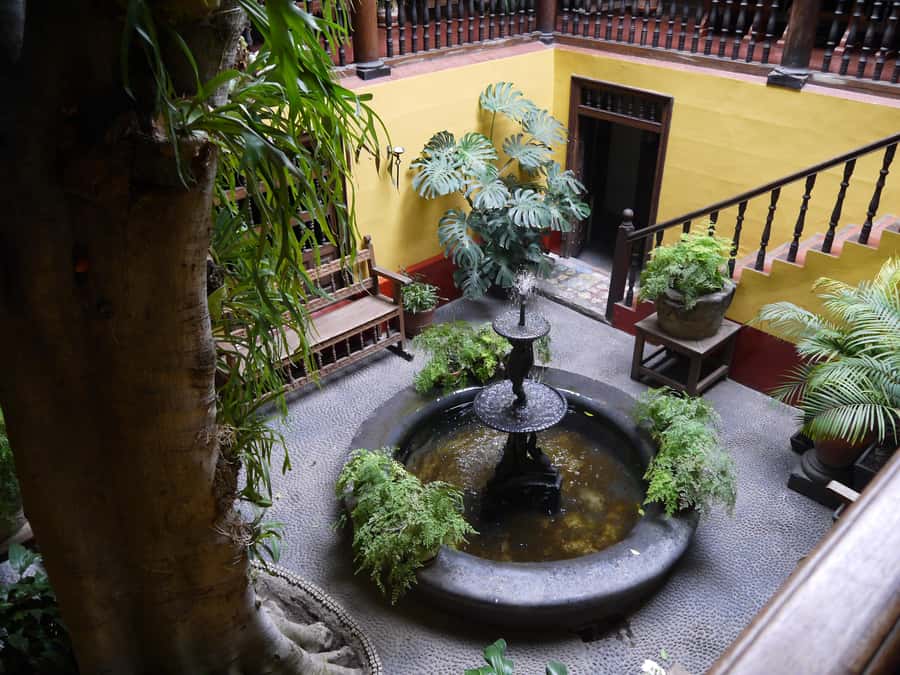
A Lima mansion with living heirs. Casa de Aliaga is one of the oldest homes in America, and the kind of place where colonial architecture still feels active, not staged. I like the straight-line connection to Lima’s early Spanish era and the fact that the current owner is a 16th direct descendant and Count. One thing to factor in: the tour is brief, and you only see a limited portion of the mansion.
What makes this work for a practical itinerary is the setting and the format. You meet right by Peru’s government palace in the historic center pedestrian zone, then you get a guided visit lasting about 40 minutes with an official house-authorized guide in Spanish or English. One catch to keep in mind: there’s a separate entrance fee on top of the tour price.
In This Review
- Key things that make Casa de Aliaga worth your time
- Where Casa de Aliaga sits in Lima’s story
- Meeting point: the right side of the government palace
- The 40-minute guided tour: what the clock is really buying you
- What you’ll notice during the visit
- A realistic drawback: a limited slice of the property
- The Aliaga family and the Count title: why it changes the tour
- Architecture and art: the mansion as evidence
- UNESCO context: why the neighborhood matters
- Price and logistics: how to judge value before you book
- Guide quality: when the story really comes alive
- What’s included vs. what you pay separately
- Rules that affect your visit
- Who should book Casa de Aliaga
- Should you book Casa de Aliaga?
- FAQ
- Where is Casa de Aliaga, and where do I meet the guide?
- How long is the tour?
- What is included in the tour price?
- Is there an additional entrance fee?
- What languages are available for the live guide?
- Is the tour wheelchair accessible?
- Are there any restrictions during the visit?
Key things that make Casa de Aliaga worth your time
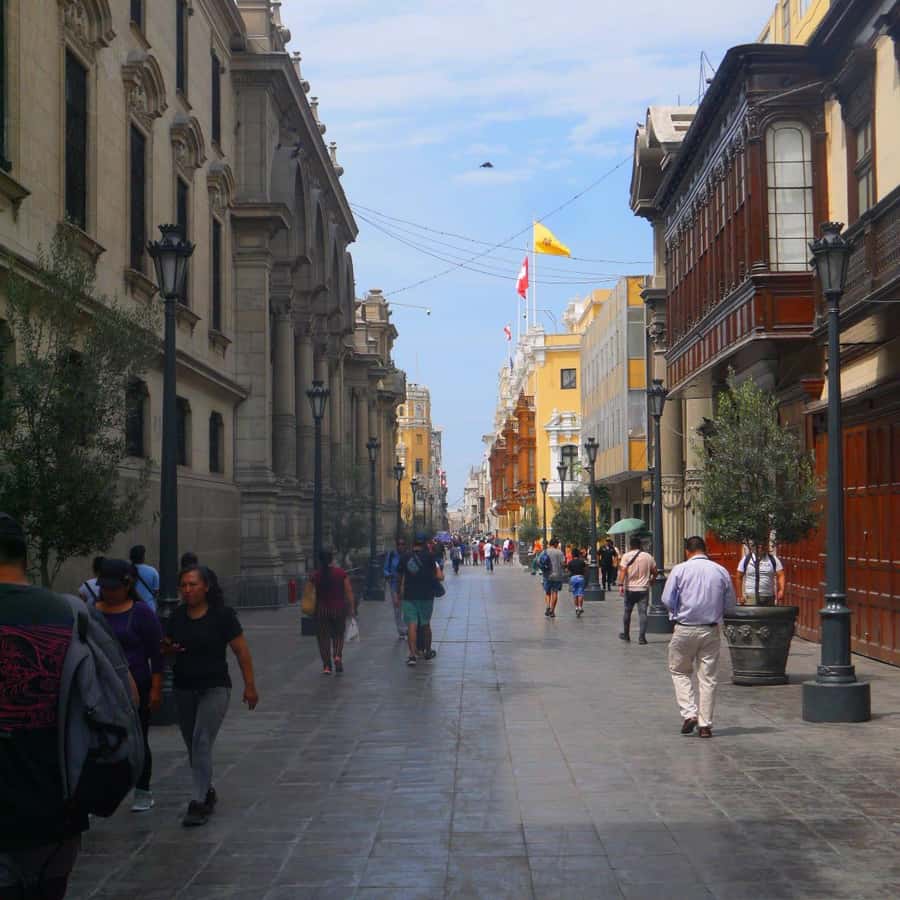
- Lima’s historic center meets an actual, inhabited colonial mansion
- A living lineage: the 16th direct descendant of a Spanish conqueror’s line, holding a Count title
- A short, focused visit (about 40 minutes), designed for maximum information in minimal time
- Official, house-authorized guiding rather than a generic pass-through tour
- Art and preservation details tied to materials, paintings, and maintenance
- Wheelchair accessible, plus a clear rule set (no alcohol or drugs)
Where Casa de Aliaga sits in Lima’s story
Casa de Aliaga is located in Lima Province’s historic center, in the pedestrian circuit right next to Peru’s government palace. That matters more than you might think. In many old-city tours, you wander past history at street level. Here, you step into a colonial property that has been part of Lima’s fabric for an extremely long stretch of time.
This address also helps you plan. If you’re already doing the historic center, the meeting point is easy to reach on foot once you’re in the Plaza Mayor area. And because the tour is only 40 minutes, it slots neatly between longer stops—churches, museums, or the rest of the historic center walk.
More of old Lima, the catacombs and Plaza Mayor




Meeting point: the right side of the government palace
You meet at the Casa de Aliaga door, located on the right side of the government palace, inside the central pedestrian route. When a meeting point is this specific, it usually means fewer delays and less confusion.
My practical advice: arrive a few minutes early, then check you’re at the Casa de Aliaga entrance itself. The tour is designed around a fixed starting window, and the experience depends on an authorized guide being present when you arrive.
The 40-minute guided tour: what the clock is really buying you
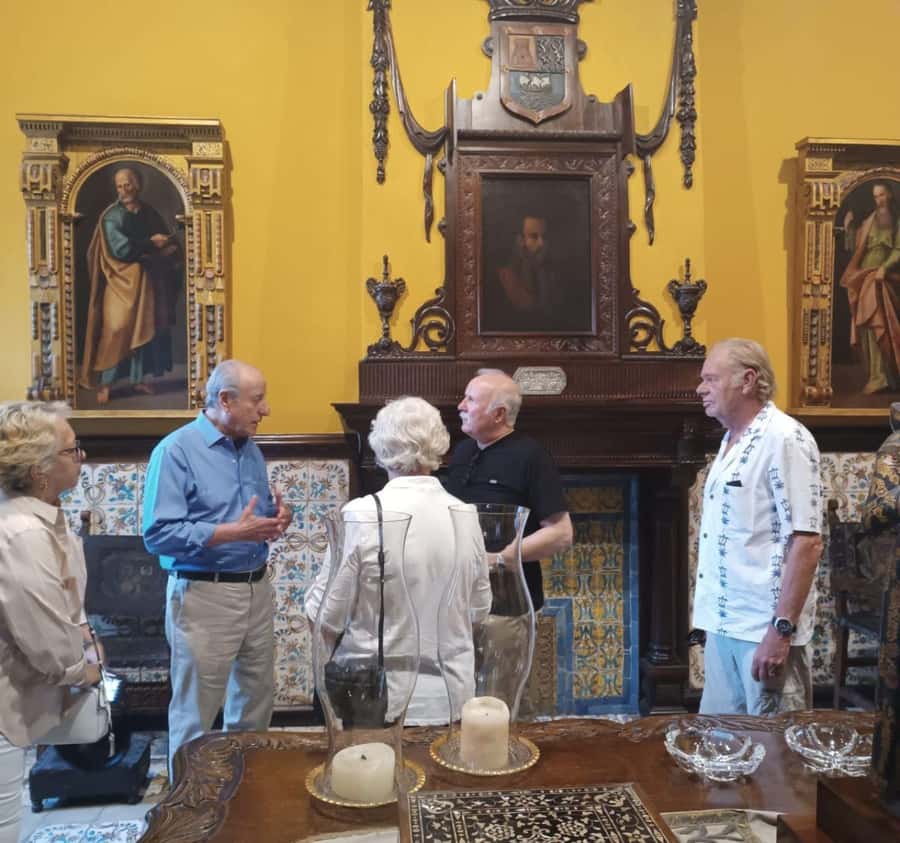
The heart of this experience is the guided visit inside Casa de Aliaga. It lasts around 40 minutes, and that time is used on the mansion’s big themes: architecture, art, and atmosphere—plus the family story behind the place.
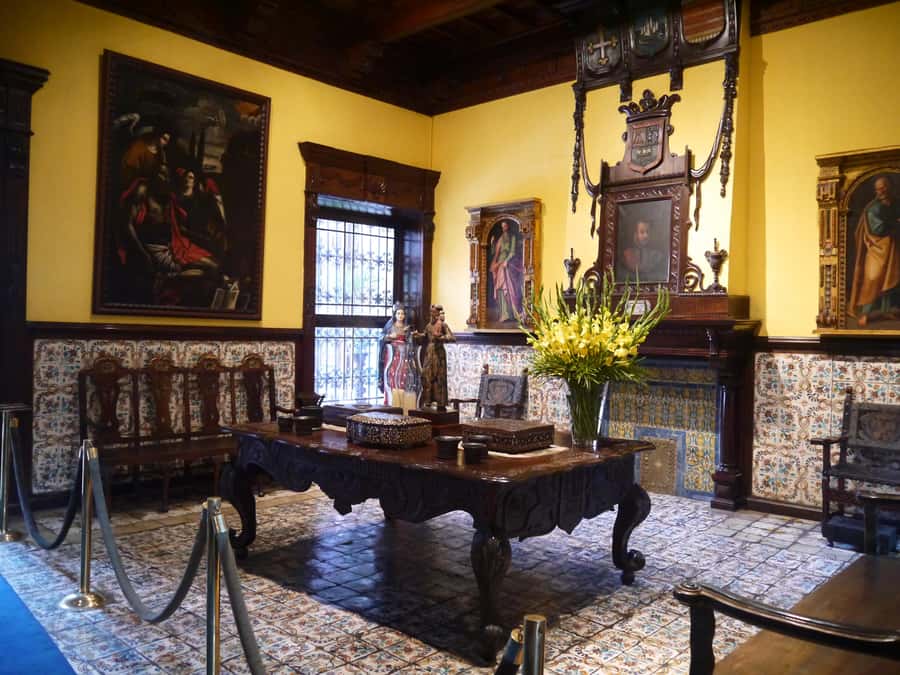
Because you’re not there for hours, the guide’s job is to point out what actually matters. You’re looking for the clues that show continuity: construction materials, painted elements, and evidence of careful maintenance. The house isn’t just old; it’s preserved enough to feel like it’s still functioning as a noble home.
What you’ll notice during the visit
You can expect your guide to connect visual details to meaning—how walls, surfaces, and artworks reflect cultural heritage and the role this family played in forming social foundations in Peru. Even if you’re not a trained art historian, this kind of explanation makes the objects and design choices click into place.
- Lima: Ultimate Peruvian Food Tour★ 4.9 · 700 reviews
- Full Day Paracas Ica and Huacachina from Lima All Included★ 4.5 · 623 reviews
- From Lima: Day trip to Paracas, Ica and Oasis Huacachina★ 4.6 · 409 reviews
- Private transfers from Lima Airport or to Lima Airport★ 4.0 · 359 reviews
A realistic drawback: a limited slice of the property
The tour time is short, so access isn’t the full mansion. You should treat the visit as an informed peek rather than a comprehensive walk-through of every space. If you’re the type of traveler who hates being rushed, this is still doable—but mentally switch from explorer mode to focused-inspection mode.
The Aliaga family and the Count title: why it changes the tour
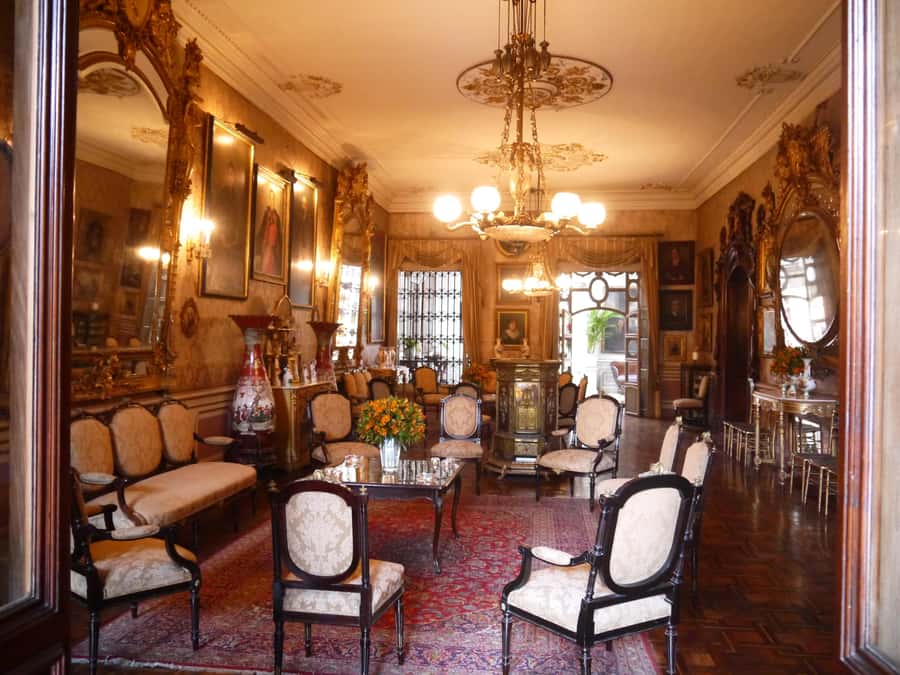
Here’s the thing that makes Casa de Aliaga more than a pretty colonial building: the family line is still part of the story. The current owner is the 16th direct descendant of a Spanish conqueror’s lineage in Peru, and the family retains a nobility title of Count.
That matters because it changes how the guide talks about the house. Instead of treating the mansion like a museum artifact, the tour ties it to an ongoing human presence. You get a sense of continuity—how status, responsibility, and preservation show up in the physical place you’re standing in.
It also gives you a clearer lens on Peru’s colonial social structure. The house becomes a way to understand how power and influence developed and how elite households contributed to early social organization. The guide’s explanations are built around that connection between architecture and social history.
Architecture and art: the mansion as evidence
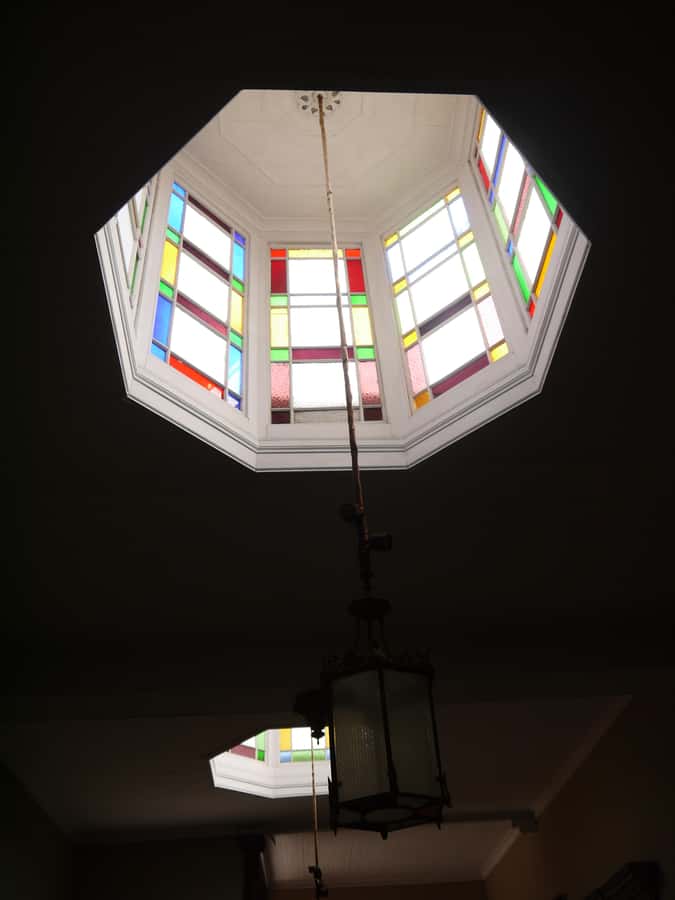
Casa de Aliaga is often described as Peru’s oldest mansion and among the oldest in America. Even if you don’t care about rankings, the idea matters: the house is old enough that you can read it like a document.
During the visit, you’ll focus on the construction and the artistic elements—especially the materials used for building and the paintings that help define the property’s style. Good maintenance is part of the story, too. In older buildings, preservation level can make the difference between seeing history and just imagining it.
A helpful way to enjoy this section: don’t try to catalog everything. Instead, pick a couple of details your guide mentions—one construction detail and one art or painting element—then ask yourself what they suggest about the people who lived here and the world they came from.
UNESCO context: why the neighborhood matters
The experience is located in Lima’s historic-center area, recognized for cultural legacy by UNESCO. The house isn’t just “in the old city.” It sits inside the same broader historical zone that UNESCO protects.
For you, that means the tour fits into a larger pattern. After Casa de Aliaga, you’ll likely feel more motivated to keep walking and looking, because you’re seeing how the same historic period shows up across architecture, public spaces, and old elite properties.
Price and logistics: how to judge value before you book
The tour price is listed at $40 per person, lasting about 40 minutes. On top of that, there’s an entrance fee to the house of S/. 35 soles (about US $9).
Here’s how I’d think about value:
- You’re paying for an authorized guide and a structured look at a rare property, not just an open-door self-guided visit.
- The total cost lands higher once you add the entrance fee, but the experience is still short and focused—so you’re not burning half a day.
- Because the tour is done with authorized guides from a limited list, you’re paying for access, not just information.
If you’re optimizing for time and “this is special, not generic,” it pencils out well. If you’re traveling on a strict budget, factor in the entrance fee right away so you don’t get surprised at checkout.
Guide quality: when the story really comes alive
The difference between a good old-house talk and a great one is the guide’s ability to connect details to meaning. In the booking feedback I reviewed, names came up that underline this point.
Nicholas was specifically praised for being both very nice and very knowledgeable. Another positive note highlighted strong information and insights, with the house described as beautiful and alive with stories and art.
That said, there was also a practical hiccup in at least one case: a scheduling problem led to a wait of about an hour before a guide arrived, and the situation was eventually corrected with a replacement. A separate comment also noted that only a small section can be visited.
So my balanced takeaway for you: expect a high-quality interpretation, but understand this is an access-based tour with human scheduling involved—rarely perfect, but usually worth it for the property itself.
What’s included vs. what you pay separately
Included:
- An official tour guide authorized by the house for special tours
- Reservations
Not included:
- Entrance fee to the house (S/. 35 soles / around US $9)
For your planning, treat the tour price as the guiding and access arrangement, then add the entrance fee as the on-site cost of entering the mansion.
Rules that affect your visit
This is an old noble home, so it comes with straightforward rules. Alcohol and drugs aren’t allowed. It’s the kind of environment where you’ll want to keep your visit respectful and calm, which also helps everyone hear the guide.
Who should book Casa de Aliaga
You’ll enjoy this tour most if:
- You love historic buildings and want more than generic explanations
- You like social history and want context tied to real families
- You have limited time in Lima’s historic center but still want a high-value stop
- You prefer guided interpretation in Spanish or English rather than self-paced guessing
You might skip it if:
- You want a long, thorough walk-through of every part of a mansion (this visit is only about 40 minutes)
- You’re traveling in a way that makes fixed starting times stressful
Should you book Casa de Aliaga?
I think Casa de Aliaga is a strong booking if you want one standout colonial experience that connects architecture to living heritage. The biggest reasons are the house itself (one of Lima’s oldest and among America’s oldest), the current owner’s direct lineage, and the Count title that keeps the story grounded in real continuity.
Before you decide, do two reality checks:
- You’re okay with a short tour and a limited portion of the mansion.
- You’re comfortable with the total cost once you add the entrance fee.
If those fit your style, book it. This is the kind of place where a 40-minute visit can feel like it carries a lot more time than it actually lasts.
FAQ
Where is Casa de Aliaga, and where do I meet the guide?
You meet at Casa de Aliaga in Lima’s historic center. The meeting point is right next to Peru’s government palace, at the house entrance on the right side of the government palace in the pedestrian circuit.
How long is the tour?
The guided tour lasts about 40 minutes.
What is included in the tour price?
The tour includes an official house-authorized guide and a reservation.
Is there an additional entrance fee?
Yes. There is an entrance fee to the house of S/. 35 soles, around US $9, which is not included in the tour price.
What languages are available for the live guide?
The live guide is available in Spanish and English.
Is the tour wheelchair accessible?
Yes, the tour is wheelchair accessible.
Are there any restrictions during the visit?
Alcohol and drugs are not allowed.
More Tour Reviews in Lima
- Lima: Ultimate Peruvian Food Tour
★ 4.9 · 700 reviews - Full Day Paracas Ica and Huacachina from Lima All Included
★ 4.5 · 623 reviews - Lima’s Vibrant Heritage: Exploring the City’s Landmarks Half-day
★ 4.5 · 581 reviews - From Lima: Day trip to Paracas, Ica and Oasis Huacachina
★ 4.6 · 409 reviews - Private transfers from Lima Airport or to Lima Airport
★ 4.0 · 359 reviews
Deeper Into Old Lima
- Lima’s Vibrant Heritage: Exploring the City’s Landmarks Half-day
★ 4.5 · 581 reviews - Lima: Historic Center Street Food, Market, and Eateries Tour
★ 4.9 · 216 reviews - Lima: Water Magic Circuit, Downtown and Catacombs Night Tour
★ 4.8 · 142 reviews - Essential Lima: Half-Day Tour with Catacombs & Pick-Up
★ 5.0 · 141 reviews - Historic Downtown, Miraflores & Catacombs Private Tour
★ 5.0 · 100 reviews
Fresh from our Lima notebook, a few recent write-ups





Historic Center & Catacombs, compared.
 ★ 4.5Lima’s Vibrant Heritage: Exploring the City’s Landmarks Half-dayFrom $39581 reviews
 ★ 4.9Historic Center Street Food, Market, and Eateries TourFrom $69216 reviews
 ★ 4.8Water Magic Circuit, Downtown and Catacombs Night TourFrom $75142 reviews
 ★ 5.0Essential Lima: Half-Day Tour with Catacombs & Pick-UpFrom $23141 reviews
 ★ 5.0Historic Downtown, Miraflores & Catacombs Private TourFrom $75100 reviews
 ★ 5.0Lima City Tour. Pre-Hispanic, Colonial and Modern Tour.From $3574 reviews
 ★ 5.0Explore the Catacombs, Lima Main Square & Magic Water ShowFrom $5958 reviews
 ★ 5.0Guided Tours in Colonial and Modern LimaFrom $4454 reviews
Browse the lists this tour appears in