
Reviewed · NAZCA & NASCA LINES
10-Day Taste Peru Experience: Lima, Nasca, Cusco & Machu Picchu
Nazca from the air changes everything. This 10-day Taste Peru plan strings together Lima culture and food, a Nazca overflight, and the big Inca wow factor of Machu Picchu in one tight itinerary. You also get hands-on pisco tastings in Ica, plus guided stops across Cusco and the Sacred Valley—so you’re not just sightseeing, you’re learning what you’re looking at.
I like the built-in peace of mind here: included hotels, private transfers, and timed guided visits that keep you moving. The one real caution is the pace and altitude. Cusco climbs to about 11,000 feet, and this trip is physical enough that you may want to plan for slow mornings and an easy first day.
In This Review
- Key highlights
- A smart “greatest hits” route from Lima to Machu Picchu
- Lima’s history runs from the coast to the convent walls
- Parque de la Reserva water fountains and the best kind of night out
- Pueblo Libre pisco stops: Chilcano and butifarra in between museums
- Nazca Lines from the sky: the only way to truly see them
- Paracas + Ica: desert energy, Tacama history, and pisco you can taste
- Cusco: fortress views, markets, temples, and a careful altitude ramp-up
- Sacsayhuaman to Tambomachay: seeing Inca stonework without the crowds crushing it
- Sacred Valley: camelids, weaving, Pisac, Moray, and Maras salt wells
- Machu Picchu: guided visit, included lunch, and visitor circuits you should know
- Price and value: what $2,005 covers, and what it doesn’t
- Who this tour fits best (and who should reconsider)
- Final verdict: should you book this Taste Peru tour?
- FAQ
- Is Nazca Lines overflight included in this tour?
- How many people are on the Nazca plane?
- Is Machu Picchu admission refundable?
- What Machu Picchu visitor circuit will I get?
- Are flights between Lima and Cusco included?
- What flight timing is required for Lima to Cusco?
- Is the pisco airport tax included?
- Does the tour include private transfers?
- How many meals are included?
- What if I’m worried about altitude sickness?
Key highlights
- Aerodiana Nazca Lines overflight with a small plane (up to 12 passengers) for sky views you can’t get from the ground
- Lima’s “big sights” day: Cathedral area, Santo Domingo Convent corridors, Huaca Pucllana, plus Parque de la Reserva water fountains
- Pisco + winery focus: Tacama (open since 1540) and the El Catador handcrafted pisco cellar
- Sacred Valley variety: camelids and textiles at Awanacancha, Moray terraces, Maras salt wells, and Ollantaytambo
- Machu Picchu with visitor circuits: Route 2 priority, with alternatives if it’s unavailable
A smart “greatest hits” route from Lima to Machu Picchu
If you want a Peru trip that actually covers the major targets—without you having to become a part-time travel planner—this tour fits the job. The best part is how the itinerary groups experiences by region and theme. You start at sea level in Lima, then move to the desert coast (Paracas/Nazca), then into the mountains (Cusco and the Sacred Valley), finishing with Machu Picchu.
The schedule is full, though. Expect long travel days and concentrated sightseeing blocks. That’s the trade: you get a lot, but you won’t have the luxury of wandering slowly for hours in one place. If you like structure, this will feel efficient. If you hate tight timing, you’ll feel it.
Other ways to see the Nazca and Nasca Lines


Lima’s history runs from the coast to the convent walls
Lima opens with a classic first-day setup: airport meet-and-greet and a transfer to your hotel. Then the city tour gives you the main storyline fast—Miraflores first, where Love Park gives you a Pacific view, then on to pre-Inca Lima at Huaca Pucllana. It’s a good way to get your bearings. You see the modern ocean edge, then you remember this city has been here for a very long time.
From there, you head into the historic center for the Cathedral area, Government Palace and Town Hall zone, plus the Santo Domingo Convent. One of the most interesting details is the mention of the old corridors—San Martin de Porres and San Rosa de Lima used to walk them in the 17th century, and their remains are still part of the story. It’s not just statues and stone. You get the human layer of Lima’s religious history.
My practical tip: Lima can shift from bright to cool quickly. Dress in layers for the Cathedral-area walking, and don’t assume it will stay warm just because you saw sunshine at Miraflores.
Parque de la Reserva water fountains and the best kind of night out
After the daytime history, you switch gears hard—food, pisco, and a show. The itinerary includes time for the Magic Water Circuit at Parque de la Reserva. There are 13 fountains that mix light, color, and illusions, so it’s not just a photo stop. It’s a break from museums that still feels like Lima.
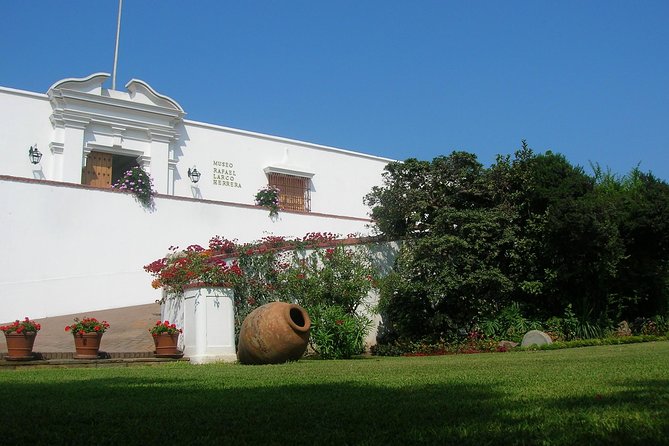
Food is a major part of this trip, not an afterthought. One evening includes dinner at Pescados Capitales, focused on seafood with a lively atmosphere. Later, you also hit the Larco Museum day, which is a big deal for context on ancient Peru. If you like when a tour helps you understand what you’re seeing, you’ll appreciate that pairing: ancient art and then modern Lima pisco culture.
Larco Museum adds variety with gold pieces, textiles, and even erotic pottery in the collection. They also highlight that you can see pieces reflected in the pottery warehouse during the visit. It’s one of those museums where you come away feeling like you finally get the range of what’s in front of you.
Pueblo Libre pisco stops: Chilcano and butifarra in between museums
Pueblo Libre shows up twice in the flow: once tied to pisco tasting, and again as the setting for classic bar-style drinks and snacks. You’ll taste a Chilcano (pisco-based) and also try a butifarra sandwich. The way this tour builds in these small food moments makes Lima feel less like a checklist.
If you’re a food traveler, this is one of the reasons the value holds up. Drinks and meals aren’t the same everywhere. Here, pisco is treated like the thread connecting places—Lima taverns, museum context, then later Ica’s wineries.
More multi-day loops out to Cusco and beyond
- 8-Days Best of The Inca Empire from Lima★ 5.0 · 114 reviews
- 7 Day Peru Private Journey★ 5.0 · 71 reviews
- 7 Days: Lima, Ica, Cusco & Machupicchu with local flights★ 5.0 · 52 reviews
- 8-Days Peru, The Rise of the Inca Empire★ 5.0 · 49 reviews
Nazca Lines from the sky: the only way to truly see them
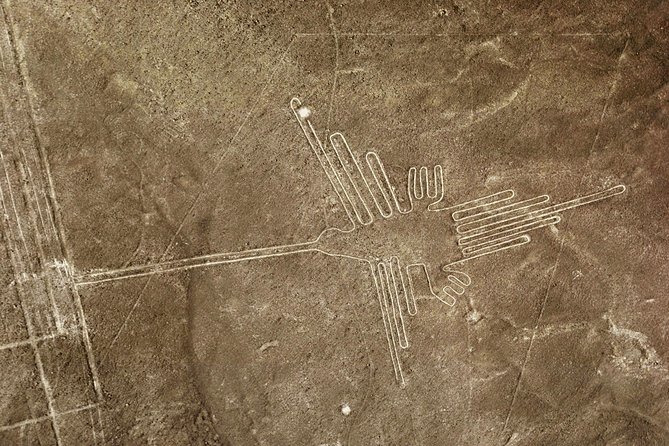
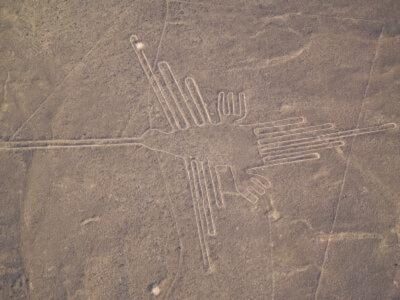
Day 3 is the moment you’ve been waiting for: a flight over the Nazca Lines from the Pisco area, booked as part of the premium service. You don’t get this from the ground. From the air, the big insect and animal shapes—like hummingbird, condor, monkey, and spider—actually read as what they are. The origin mystery stays there, but the visuals land.
Two details make this overflight feel more “you” than a giant group activity. First, the plan notes the plane holds up to 12 passengers. Second, the overflight is grouped with Paracas Bay time, so you’re not just watching drawings—you’re also getting that desert-coast mood right after.
Practical caution: the tour says the overflight is not recommended for children under 8. It also notes altitude travel awareness—if you or a companion gets uncomfortable with short flights, plan for it.
Paracas + Ica: desert energy, Tacama history, and pisco you can taste
After Nazca, the itinerary shifts to Paracas and then toward Ica. In Ica, the big anchor is Tacama Winery, open since 1540. You tour the estate, the bell tower, the vineyard, and the wine cellar. Then you go deeper into pisco production with a handcrafted pisco cellar called El Catador, where you can observe ancient clay vessels and an oak press setup.
This isn’t just sipping. The stops are built to connect past to present—how the region grew grapes for pisco, and how traditional methods still shape what ends up in your glass. You also get a lunch included on the Ica side through the overall tour plan.
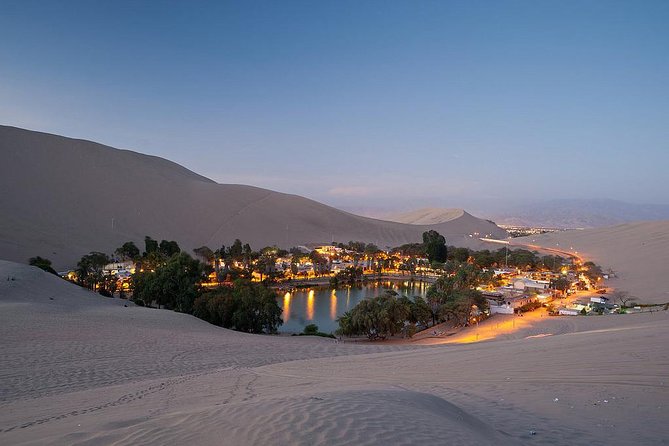
Then you hit Huacachina Oasis in the desert. Expect sand dunes, palm trees, and that surreal “how is this real?” feeling you only get in desert oases. The plan also references Ica gastronomy, so the meal experience continues.
My advice: bring sunscreen and a light layer. Desert sun can feel louder than you expect, and the pacing here can be warm.
Cusco: fortress views, markets, temples, and a careful altitude ramp-up
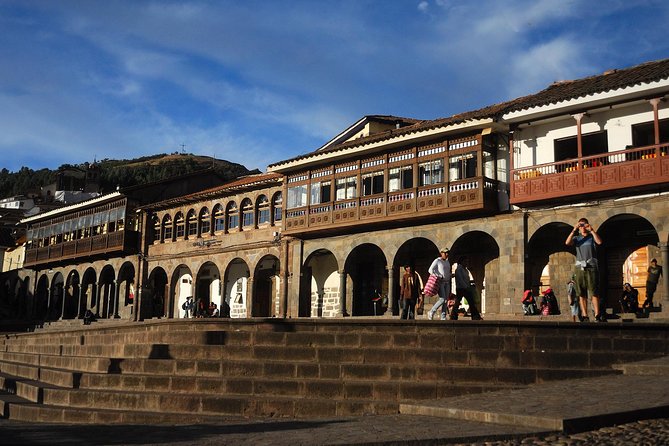
Once you fly into Cusco, the city tour is timed to help you ease into the altitude. You get a panoramic viewpoint at San Cristobal Plaza, then local flavors at San Pedro Market. Markets in Cusco aren’t just for snacks. They’re where you learn what locals are buying and why the Andes economy looks the way it does.
From there, Korikancha (the Gold Enclosure) is the big spiritual hit—gold-covered walls and a temple layout that still feels powerful even after centuries. Then comes Santo Domingo Church, followed by an engaging walking route from San Blas toward the Main Square. You stop at Hatun Rumiyoc Street, Inca Roca Palace area, and the famous Twelve Angle Stone, ending back at the Cathedral area for colonial masterpieces.
On paper, it’s five hours of touring. In reality, it can feel longer once altitude slows your breathing. The key is to pace yourself. Drink water. Eat something small if you feel off. And don’t plan to “push through” day one like you’re at sea level.
Sacsayhuaman to Tambomachay: seeing Inca stonework without the crowds crushing it
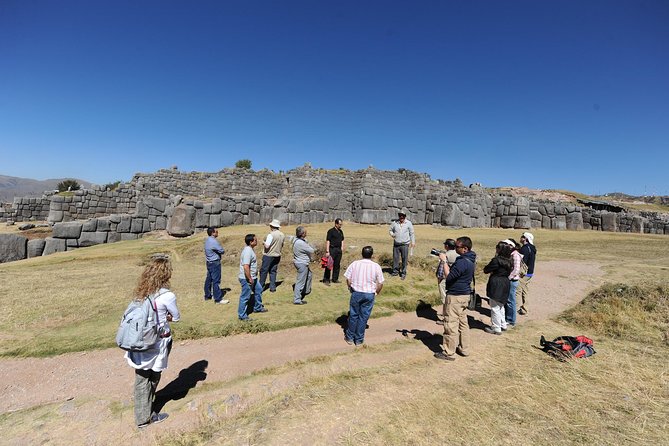
Day 6 is classic Cusco high-craft. You start at Sacsayhuaman, described as a fortress of colossal constructions, and you get views that blend the human-built with the mountain setting. Then you head to Q’enqo, including the sacrificial altar embedded inside a rock cave—very “how did they do this?” energy.
The itinerary then includes Puca Pucara viewpoint and Tambomachay, known for impressive Andean architectural knowledge tied to the cosmo-vision. You get a mix of architecture, ritual space, and viewpoints. That mix matters because it keeps your brain from getting numb from stone.
After this, you get free afternoon time in Cusco. That’s important. It gives you room for a slow walk, a café stop, or simply resting your body.
Sacred Valley: camelids, weaving, Pisac, Moray, and Maras salt wells
Sacred Valley day is where the trip gets more hands-on. Awanacancha lets you feed Andean camelids like llamas and alpacas, and you see weaving and dyeing techniques using local methods. It’s one of those moments that makes the landscape feel personal. You’re seeing skills tied to living culture, not just ruins on a hillside.
Then the itinerary connects to archaeology at Pisac—Inca and colonial areas, plus a walking tour of the colonial town and time at the handicraft market. You also visit the Inkariy Museum and enjoy lunch there. This is helpful context: the museum focuses on cultural representations of pre-Hispanic civilizations through multiple rooms, so you’re not learning names only. You’re learning meaning.
Day 8 expands the “less visited” side of the valley with stops like Yucay Museum (Living Culture Yucay Museum). It includes interpretation centers for adobe manufacturing, a traditional chicheria store, and folklore. That’s not the loudest tourist topic, but it’s exactly what makes the experience feel grounded.
Then you hit Moray—those concentric terraces designed to mimic microclimates. The idea is agricultural testing through different conditions, and seeing the terraces in person helps you understand why this region mattered to the Inca.
The day ends with Maras salt mines, where white salt wells contrast with the green valley. It’s visually striking, and it’s also a reminder that “production” in this region can be centuries old.
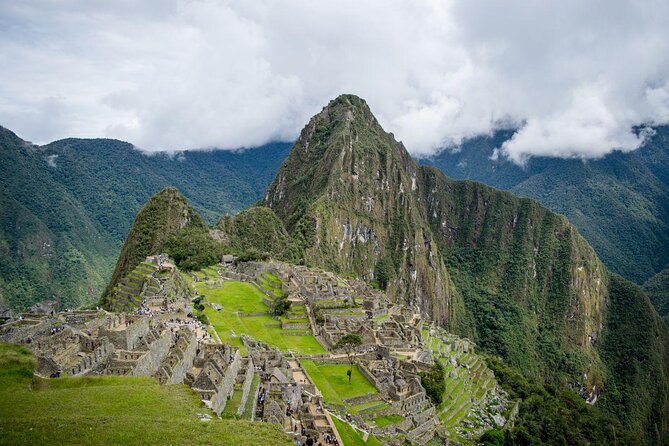
And yes, Ollantaytambo is part of the mix. You visit the fortress area and learn about the stoneworking techniques the Incas used. This is one of the best ways to understand why certain ruins still look so precise.
Machu Picchu: guided visit, included lunch, and visitor circuits you should know
The Machu Picchu day begins with a bus ride up the winding road, with views of the Urubamba River and its canyon. The goal isn’t subtle. You arrive, then Machu Picchu hits you with terraces, ceremonial shrines, steps, and urban areas. The guided visit is timed so you don’t get lost in the scale.
Lunch is included at a restaurant in the area after your guided time. Then you return to Cusco and check in for the night.
One thing you should be aware of is Machu Picchu’s visitor circuit system. The tour notes Route 2 is given priority. If Route 2 isn’t available, you may be offered circuit 3B or circuit 1B, and you should confirm before tickets are issued. That matters because the circuit affects where you go and how the walk feels.
Also, Machu Picchu admission is not refundable, and date changes are not accepted. If you think your schedule might shift, plan carefully before locking in travel days around Cusco.
Price and value: what $2,005 covers, and what it doesn’t
At $2,005 per person, this tour isn’t “cheap,” but it’s not just a sightseeing package either. The value comes from the combination of:
- 9 nights of accommodation in selected hotels
- Private transfers between airports, hotels, and the travel connections tied to Machu Picchu logistics
- Key admissions and guided tours, including Larco Museum, the Magic Water Circuit, and major Cusco/Sacred Valley sites
- A paid experience chain centered on pisco and wineries (Tacama + El Catador)
- The big cost saver for many people: Nazca Lines overflight with Aerodiana
What’s not included is also clear: flight tickets Lima–Cusco–Lima. That’s the one big variable that changes your total cost depending on when you book and what airfare looks like.
Two “planning-value” notes help you budget realistically:
- There’s an extra Pisco airport tax listed at $10 per person.
- The tour specifically warns that when you book your Lima to Cusco flight, it must be in the morning; arrival by noon is too late. That detail can save you from a painful itinerary mismatch.
Who this tour fits best (and who should reconsider)
This is a strong match if you:
- Want a high-impact, well-guided itinerary that hits Lima, Nazca, Cusco, the Sacred Valley, and Machu Picchu
- Like food culture (pisco tastings, seafood dinner, winery learning)
- Prefer private transfers and included hotels so you spend less time figuring things out
It may not fit as well if you:
- Hate tight schedules or you want lots of free time each day
- Get hit hard by altitude. The tour explicitly recommends planning ahead and bringing medicine or asking your doctor. One review also notes breathing and stomach issues in the first couple days in Cusco.
Final verdict: should you book this Taste Peru tour?
If you want one trip that covers Peru’s headline experiences—Nazca Lines from the air, Sacred Valley archaeology, and Machu Picchu—this is a practical way to do it. The strong point is how many “major ticket” items are handled for you: guides, entrances, transfers, and even the pisco storyline.
I’d book if you can handle a fast pace and you take altitude seriously. I’d hesitate if you need maximum flexibility around Machu Picchu dates (since tickets aren’t refundable) or if you know you struggle with altitude despite meds.
FAQ
Is Nazca Lines overflight included in this tour?
Yes. The tour includes the Aerodiana Nazca Lines overflight.
How many people are on the Nazca plane?
The plane is described as holding up to 12 passengers.
Is Machu Picchu admission refundable?
No. Machu Picchu admission is not refundable, and date changes or amendments are not accepted. You would need to purchase a new entrance ticket if you change your visit date.
What Machu Picchu visitor circuit will I get?
The tour gives priority to circuit 2. If circuit 2 isn’t available, you’ll be informed about alternatives (circuit 3B or circuit 1B) so you can confirm before tickets are issued.
Are flights between Lima and Cusco included?
No. Flight tickets Lima–Cusco–Lima are not included.
What flight timing is required for Lima to Cusco?
When booking your Lima to Cusco flight, it must be in the morning. Arrival by noon is too late.
Is the pisco airport tax included?
No. There is a pisco airport tax listed at USD 10.00 per person, and it’s not included.
Does the tour include private transfers?
Yes. It includes private transfers between airports, hotels, and the bus and railway station.
How many meals are included?
Breakfast is included for 9 days. Lunch is included for 5 days. Dinner and other drinks are not included unless specified.
What if I’m worried about altitude sickness?
The tour advises you to bring medicine or ask your doctor for advice before you depart, because Cusco is at high altitude.
More Tour Reviews in Lima
- Lima: Ultimate Peruvian Food Tour
★ 4.9 · 700 reviews - Full Day Paracas Ica and Huacachina from Lima All Included
★ 4.5 · 623 reviews - Lima’s Vibrant Heritage: Exploring the City’s Landmarks Half-day
★ 4.5 · 581 reviews - From Lima: Day trip to Paracas, Ica and Oasis Huacachina
★ 4.6 · 409 reviews - Private transfers from Lima Airport or to Lima Airport
★ 4.0 · 359 reviews
More Multi-Day Peru
- 8-Days Best of The Inca Empire from Lima
★ 5.0 · 114 reviews - 7 Day Peru Private Journey
★ 5.0 · 71 reviews - 7 Days: Lima, Ica, Cusco & Machupicchu with local flights
★ 5.0 · 52 reviews - 8-Days Peru, The Rise of the Inca Empire
★ 5.0 · 49 reviews - 8-Day Enigmas of Peru
★ 5.0 · 49 reviews
Still Chasing the Nazca Lines?
- Lima: Ballestas & Huacachina Day Trip w/ Nazca Lines Flight
★ 4.9 · 117 reviews - Private Tour to the Astonished Nazca Lines and Huacachina Oasis
★ 5.0 · 84 reviews - From Lima: Ballestas, Nazca Lines & Huacachina Oasis
★ 4.5 · 82 reviews - Nazca Lines & Ballestas Islands Private Tour Bus&Flight from Lima
★ 4.0 · 77 reviews - From Lima: Nazca Lines and Ica Desert Day Trip
★ 4.7 · 65 reviews
Fresh from our Lima notebook, a few recent write-ups

Nazca & Nasca Lines, compared.
 ★ 4.9Ballestas & Huacachina Day Trip w/ Nazca Lines FlightFrom $600117 reviews
 ★ 5.0Private Tour to the Astonished Nazca Lines and Huacachina OasisFrom $65084 reviews
 ★ 4.5Ballestas, Nazca Lines & Huacachina OasisFrom $55082 reviews
 ★ 4.0Nazca Lines & Ballestas Islands Private Tour Bus&Flight from LimaFrom $81877 reviews
 ★ 4.7Nazca Lines and Ica Desert Day TripFrom $39065 reviews
 ★ 5.0The Nazca Lines & Huacachina Oasis from Lima – Private TripFrom $48560 reviews
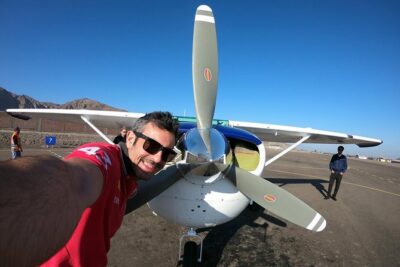 ★ 5.0Flight Over the Nazca Lines from Pisco + Huacachina OasisFrom $73046 reviews
 ★ 5.0One-Way Shuttle Transfer: Huacachina to NazcaFrom $2046 reviews
Browse the lists this tour appears in