
Reviewed · MULTI-DAY PERU TRIPS FROM LIMA
8-Days Peru, The Rise of the Inca Empire
Inca sites, smoothly stitched together. I love the pre-arranged transport that takes the stress off your schedule, and I also really like the Machu Picchu by train setup that makes the big day feel organized. One watch-out: the Machu Picchu day is timed tightly, so if you want lots of free-roaming time, you’ll need to be flexible with the group pace.
What makes this itinerary work is how it builds from Lima’s colonial world into the Inca heartland—then finishes at Lake Titicaca in Puno, where you can easily keep going. The group size is capped at 15, which is a sweet spot for guided touring without feeling lost in a sea of people.
At $1,280 per person for 8 days, the value hinges on the fact that key moments are already handled: airport transfers, hotel nights, the Voyager train tickets, and several admission tickets. If you can line up your flight timing correctly (more on that below) and plan for altitude in Cusco, this is a solid way to see a lot without doing lots of logistics homework.
In This Review
- Key highlights worth your attention
- Lima’s UNESCO Old City and Museo Larco set the tone
- Flying into Cusco: Qorikancha, the Cusco Cathedral, and Sacsayhuaman
- Sacred Valley days: Pisac markets, Moray microclimates, and Maras salt pans
- Machu Picchu by Voyager train: timing, circuits, and how to enjoy the day
- From Cusco down to Puno: Andahuaylillas, Racchi, and La Raya
- Lake Titicaca: Uros floating islands and Taquile’s living traditions
- Price and logistics: what $1,280 really buys you
- Who this tour fits best (and who should think twice)
- Should you book 8-Days Peru: The Rise of the Inca Empire?
- FAQ
- Where does the tour start and where does it end?
- How long is the tour?
- What is the price per person?
- Are flights included?
- Are airport transfers included?
- What about the Lima to Cusco flight timing?
- How big is the group?
- Does the Machu Picchu ticket allow changes?
- What Machu Picchu visitor circuit does the tour prioritize?
- What are the main inclusions besides tours?
Key highlights worth your attention
- From Lima to Puno: the trip isn’t a backtrack loop; it ends where Lake Titicaca travel starts.
- UNESCO Lima + Larco Museum: you start with Peru’s ancient-and-colonial context, not just Inca ruins.
- Cusco in layers: Qorikancha, the Cathedral of Cusco, and Sacsayhuaman on the same foundation day.
- Sacred Valley variety: Pisac, Moray, and Maras salt pans in one flow, plus textile/weaving and chicha demos.
- Voyager train + bus to Machu Picchu: set up to reduce guesswork on the route.
- Lake Titicaca classics: Uros floating islands and Taquile with a typical lunch included.
Lima’s UNESCO Old City and Museo Larco set the tone
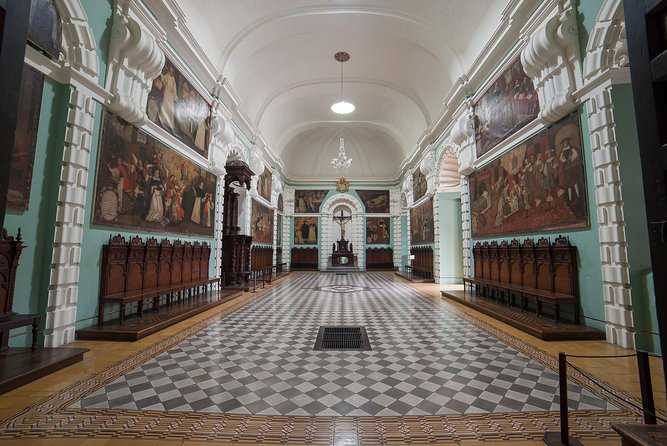
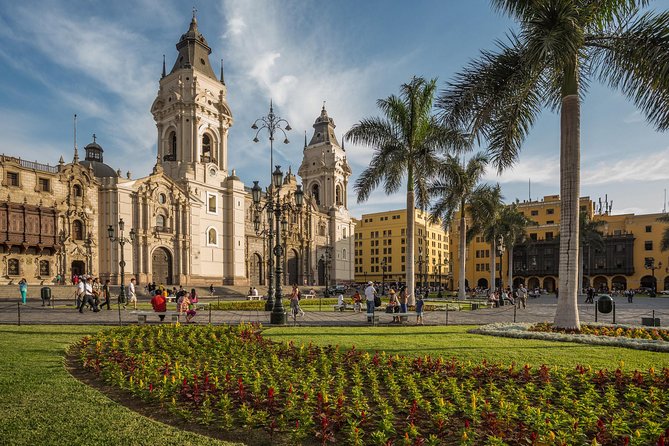
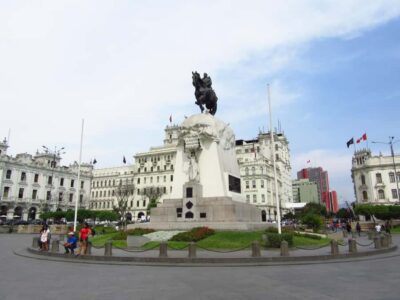
Your first day is all about getting oriented—and getting smarter about what you’re about to see. In the Centro Histórico de Lima, you’ll be guided through the historic core that’s recognized by UNESCO as a World Heritage Site. The tour starts at the Convent of Santo Domingo, tied to Lima’s earliest Spanish foundation period, and it naturally connects to major landmarks like the Plaza Mayor and the Cathedral.
Two details I especially like here are (1) the chance to see Lima’s “super old” identity in one focused route and (2) the inclusion of places that reflect religious and civic power in colonial Lima. Inside, you’ll visit the University of San Marcos, which is described as the oldest university in the Americas, and you’ll also see the convent’s historical interiors like choir stalls and a library collection that includes very old printed books. The stop isn’t just photo stops—it’s a way to understand how quickly Spanish colonial institutions took root.
After downtown, you head to Museo Larco, which is a strong pairing with the walking tour. Instead of only looking at gold trophies or big-name monuments, the museum gives you a broader view of ancient Peruvian cultures. You’ll see highlights like gold pieces, textiles, and ceramics (including erotic ceramic pieces, which are part of their collection and offer a fuller picture of daily life and beliefs). The museum’s open warehouse area is a bonus because you get to appreciate the production and material quality behind the artifacts, not just the final display.
Potential drawback: this start is busy. If you land tired, it can feel like a lot on day one. Bring water and keep expectations realistic: today is more about setting context than “maximum ruin time.”
More multi-day loops out to Cusco and beyond
Flying into Cusco: Qorikancha, the Cusco Cathedral, and Sacsayhuaman
Day two kicks off the Inca thread immediately. You transfer to the airport, fly to Cusco, then meet and greet and head to your hotel. This is one of the reasons the itinerary feels easier to manage: you’re not trying to coordinate transportation right after your flight.
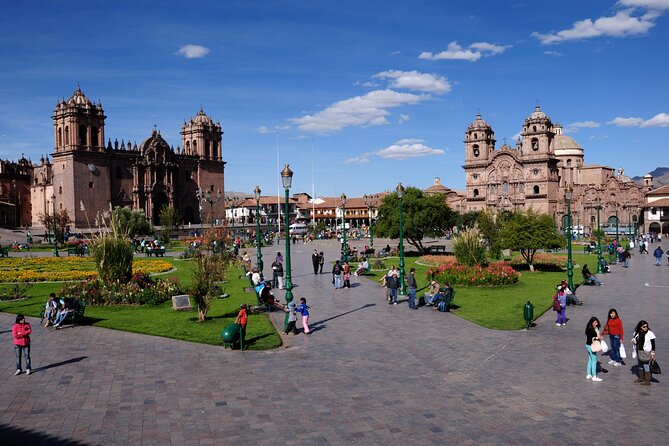
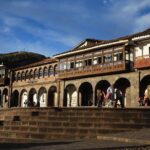
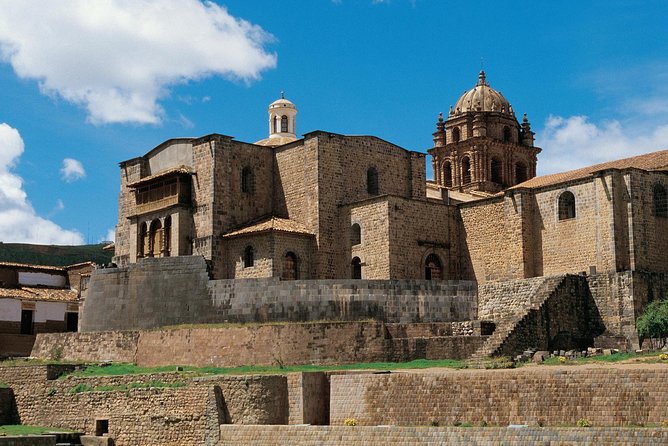
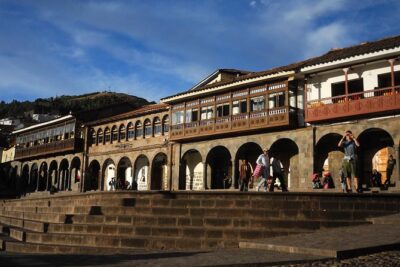
Once you’re in Cusco, you visit Qorikancha, the Inca Temple of the Sun site. The pitch here is the layers: Inca stonework underneath and a colonial convent above. Even though the gold legend (and much of the gold itself) didn’t survive in full, you still get a sense of why this location mattered so much to the Inca. For me, the value is how it reframes what “ruins” can mean—sometimes it’s about foundations and engineering, not only toppled walls.
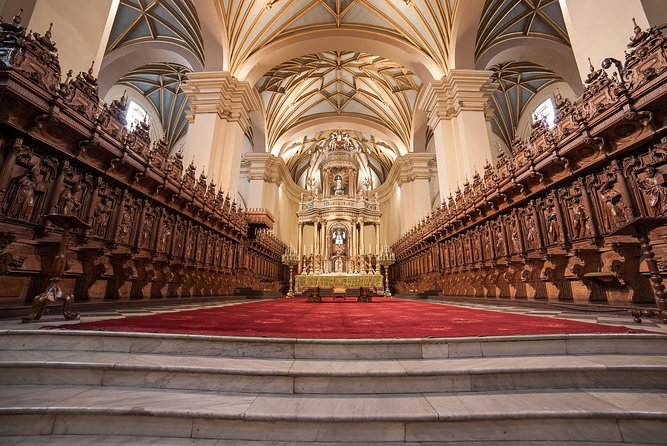
Next is the Cathedral of Cusco. This stop is a smart reminder that colonial Peru didn’t erase Inca influence—it often replaced it with European religious architecture built on top of older power centers. The cathedral’s collection includes colonial paintings associated with the Cusco School of Art, which blends European techniques with indigenous symbolism. You’ll also hear about the original cross brought by early Spanish conquistadors, and you’ll see ornate altars and carved choir stalls.
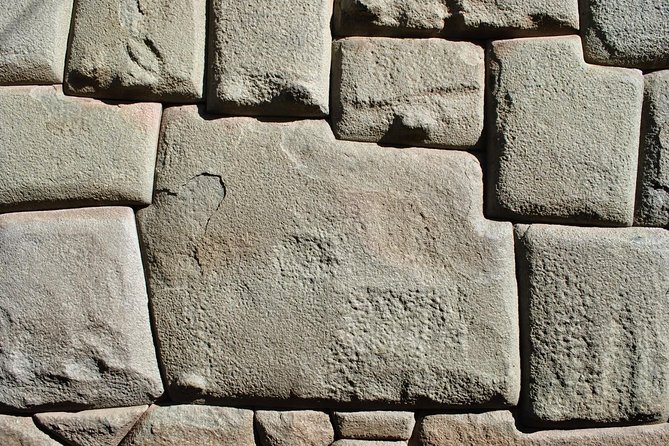
Then comes Sacsayhuaman with a multi-stop layout: fortress views, plus the ceremonial sites of Q’enqo and Tambomachay (Inca baths). The big wow-factor is the megalithic stonework—huge blocks fitted without mortar—and the panoramic Cusco views. I also like how this portion connects architecture, ritual space, and water systems into a single storyline.
Practical consideration: Cusco altitude is real. This day includes several moving parts and time outdoors. If you’re prone to altitude sickness, plan to take it slow on day one and keep your pace steady today, too.
Sacred Valley days: Pisac markets, Moray microclimates, and Maras salt pans
The Sacred Valley is where the itinerary really shifts from “sites” to “systems”—agriculture, ritual, trade, and daily life.
Start with Pisac, one of the best-preserved Inca archaeological complexes in the Sacred Valley. The ruins sit high above the valley, and you’ll get both the engineering (terraces and religious structures) and the bigger picture (how the site overlooks a working landscape). Then you descend into the village area for a walk through streets and adobe houses on top of older foundations.
The artisan market stop is a big plus for practical shopping. You can browse handmade textiles, ceramics, and silver jewelry directly from local artisans. If you want to bring home something meaningful, this is one of the easier places to do it while still feeling connected to where the craft is practiced.
Later, you’ll spend time at the Inkariy Museum, which focuses on pre-Hispanic cultures through exhibits. This is a nice pacing break between major outdoor sites. Then comes the Yucay Live Culture Center, where you can watch demonstrations tied to everyday Andean traditions: weaving and dyeing textiles, making adobe, preparing chicha (a corn drink), and seeing Andean camelids like llamas and alpacas up close.
Day four is a second Sacred Valley hit, starting with Moray. The circular terraces here are described as an agricultural laboratory, with up to 20 microclimates created by the unique basin design. Even if you’ve seen terrace farms before, Moray helps you understand the Incas as experimental and data-driven—using terrain to manage temperature and farming conditions.
Then you head to Salinas de Maras, the famous salt mines. This part is hard to explain without seeing it: thousands of small pools carved into the mountainside collect spring water that evaporates in the sun, leaving behind salt. The visual contrast—white pools against red clay hills—is exactly the kind of “camera wants to pause” moment that makes this stop worth the time.
Potential drawback: Sacred Valley days are active. Expect stairs, uneven ground, and long hours between stops. You’ll have a better time if you treat these days as “legs first, photos second.”
Machu Picchu by Voyager train: timing, circuits, and how to enjoy the day
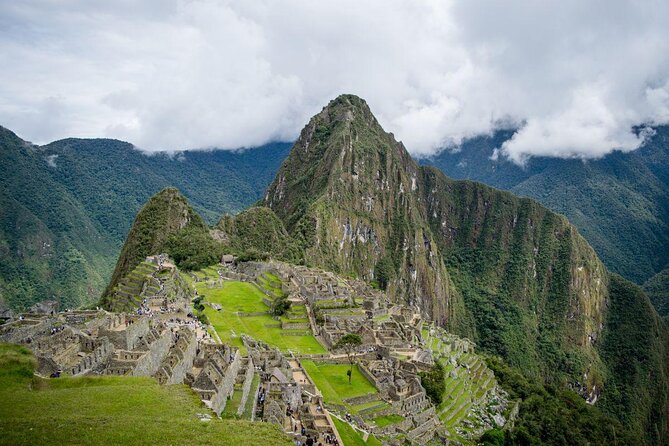
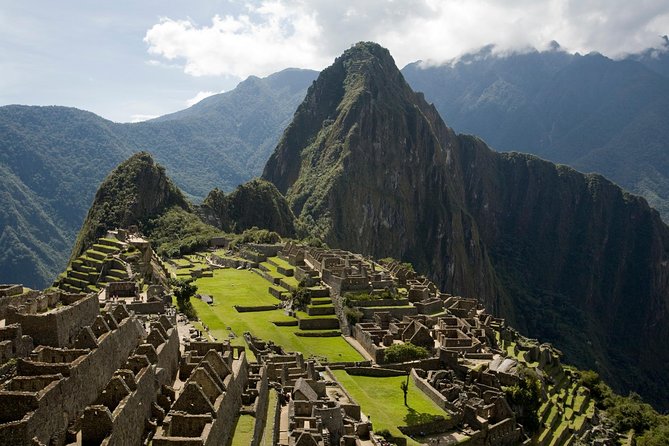
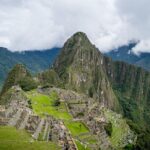
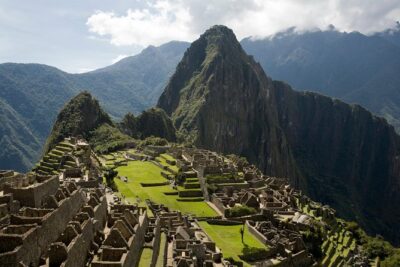
Day five is the headline: Machu Picchu. The itinerary routes you via train from Ollantaytambo, then you ride to Machu Picchu station. From there, staff help you with the bus ascent road with a view of the Urubamba River canyon.
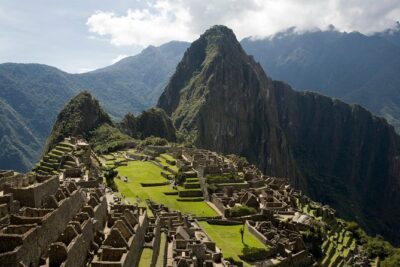
Once you arrive, you get the full “Lost City” experience: terraces, stairways, ceremonial areas, and urban zones. Lunch is included after you spend time exploring, and the included meal is at the Sanctuary’s Lodge restaurant as a buffet.
One thing I’d treat seriously is Machu Picchu’s new visitor circuits. Your tour prioritizes route 2, and if it’s not available you’ll be offered circuit 3B or circuit 1B. That matters because the order of areas you see may differ from what you’ve pictured online. The good news is you’re not guessing your way through the ticket system—your entry plan is handled. The downside is it limits spontaneous stopping and backtracking.
Here’s the most important practical mindset: treat Machu Picchu as a guided visit with a fixed flow, not a free roaming day. That’s the only way to avoid the feeling of being rushed. Also remember that the entry ticket is not refundable, and date changes/amendments aren’t accepted. If your plans might change, lock in your train and entrance date early.
Real talk about pacing: even when the site is well organized, you’ll still be moving in a time-bound rhythm—especially around lunch. I recommend setting your goal as: see the major viewpoints and key areas with your guide’s explanation, then decide in your remaining minutes what you want most (views vs. ruins vs. photos).
- Lima: Ultimate Peruvian Food Tour★ 4.9 · 700 reviews
- Full Day Paracas Ica and Huacachina from Lima All Included★ 4.5 · 623 reviews
- From Lima: Day trip to Paracas, Ica and Oasis Huacachina★ 4.6 · 409 reviews
- Private transfers from Lima Airport or to Lima Airport★ 4.0 · 359 reviews
From Cusco down to Puno: Andahuaylillas, Racchi, and La Raya
Day six turns travel time into sightseeing. You depart by bus toward Puno and stop along the way for several Inca and colonial-era moments.
First is Andahuaylillas, with a visit to its chapel. Then you go to Racchi, dedicated to the Wiracocha god, where the walls and narrow streets help you picture a broader ceremonial and urban layout. After lunch, you stop at La Raya, described as a natural border between Cusco and Puno.
Before arriving in Puno, you’ll visit the Pucara Museum. There’s also a chance to get one of the local classic bull-shaped ceramics. This is a small add-on, but it’s a useful way to connect a souvenir purchase with a place and a local craft tradition.
Why this day works: instead of treating the Cusco-to-Puno transfer like wasted hours, you’re given short, meaningful windows into cultural stops. Why it might not: it’s still a long bus day (about 7 hours). If you dislike long seated travel, plan to keep snacks and water handy, and try to settle in early.
Lake Titicaca: Uros floating islands and Taquile’s living traditions
Day seven is your full Lake Titicaca experience, starting on the water. The tour visits the Uros Floating Islands, made from totora reeds. The islands are inhabited, and the visit is designed to show you how people live on handmade reed platforms.
Then you head to Taquile Island. Here, the focus shifts to traditions: residents still maintain ancestral ways and wear colorful typical clothing. You’ll have time to explore the island and get views over the lake, plus a typical lunch provided on the island.
What you should expect: you’ll feel the “people and culture” emphasis more than pure archaeology today. If you’re hoping for another heavy ruin day, this one is more about living continuity—how identity stays strong in daily routines.
Practical note: Lake altitude and sun can hit harder than you expect. Even without predicting weather, you’ll be happier if you plan for strong daylight.
Price and logistics: what $1,280 really buys you
At $1,280 per person for 8 days, you’re paying for two things: major attractions and minimized coordination hassle.
Here’s what’s included (as a practical checklist):
- Airport pickup and drop-off (Lima and Cusco are handled)
- City tour and Sacsayhuaman excursion
- Machu Picchu excursion with Voyager service train tickets and a buffet lunch
- Bus from Cusco to Puno with visits and lunch on the route
- Uros Floating Islands and Taquile with typical lunch
- 7 nights of accommodations at selected hotels
- Breakfasts (7) and lunch (3)
- Transfer between station/hotel/airport
Not included:
- Flights (you buy them)
- Food and drinks unless specified
So is it good value? In my view, yes—if you want the biggest sites with the least planning burden. The included train and the included Machu Picchu logistics are usually where DIY plans become stressful and expensive. Also, the tour caps size at 15, which tends to make crowd management feel more sane than bigger group formats.
Where value can slip is if you want lots of extra personal time at specific moments. This itinerary is packed. The more you treat it like a guided circuit (and less like a choose-your-own-adventure), the better you’ll feel about what you paid.
Who this tour fits best (and who should think twice)
This is a strong fit if you want:
- A structured path from Lima to Cusco to Puno
- Guided context at Inca and colonial-era sites
- Included key transport, train tickets, and major admissions
- A smaller group pace (max 15)
It may be less ideal if you:
- Hate fixed schedules and want long periods of solo time inside Machu Picchu
- Get frustrated when daily timing details arrive late (the itinerary is generally managed, but it’s smart to confirm your day-by-day plan as soon as you can)
- Are sensitive to altitude and would rather have a slower acclimation (this plan does include a lot of high-elevation activity in Cusco)
Should you book 8-Days Peru: The Rise of the Inca Empire?
If you want a guided, well-connected “greatest hits plus context” route—Lima’s colonial core, Sacred Valley engineering and salt pans, Machu Picchu by train, then Lake Titicaca—you should feel good about booking. The strong overall satisfaction signal (94% recommended, 4.8/5 rating) suggests most people find the value in how much is handled for you.
My booking advice is simple: before you pay for flights, make sure your Lima to Cusco flight is in the morning—arrival by noon is too late for the plan. Also, take altitude seriously: bring medicine or ask your doctor, and don’t treat Cusco day like it’s just another city.
If you like structure and you’re ready to follow the day’s flow, this tour is a practical way to experience the Inca story without turning your trip into a logistics project.
FAQ
Where does the tour start and where does it end?
It starts with pickup at J Chavez Intl Airport (Lima, Peru) and finishes in Puno.
How long is the tour?
It’s listed as 8 days (approx.).
What is the price per person?
The price is $1,280.00 per person.
Are flights included?
No. Flight tickets are not included.
Are airport transfers included?
Yes. The tour includes round-trip arrival and departure airport transfers, and you also get transfers between station, hotel, and airport.
What about the Lima to Cusco flight timing?
When you book your flight from Lima to Cusco, it must be in the morning. Arrival by noon is too late.
How big is the group?
The tour has a maximum size of 15.
Does the Machu Picchu ticket allow changes?
No. The Machu Picchu admission ticket is not refundable, and date changes or amendments are not accepted. If you need a new visit date, you’ll need to purchase a new ticket.
What Machu Picchu visitor circuit does the tour prioritize?
The tour prioritizes circuit route 2. If it’s not available, you’ll be informed about circuit 3B or circuit 1B before tickets are issued.
What are the main inclusions besides tours?
In addition to excursions, you get 7 nights of accommodation, Voyager service train tickets, and breakfasts and lunches as specified (breakfast 7 times; lunch 3 times).
More Tour Reviews in Lima
- Lima: Ultimate Peruvian Food Tour
★ 4.9 · 700 reviews - Full Day Paracas Ica and Huacachina from Lima All Included
★ 4.5 · 623 reviews - Lima’s Vibrant Heritage: Exploring the City’s Landmarks Half-day
★ 4.5 · 581 reviews - From Lima: Day trip to Paracas, Ica and Oasis Huacachina
★ 4.6 · 409 reviews - Private transfers from Lima Airport or to Lima Airport
★ 4.0 · 359 reviews
More Multi-Day Peru
- 8-Days Best of The Inca Empire from Lima
★ 5.0 · 114 reviews - 7 Day Peru Private Journey
★ 5.0 · 71 reviews - 10-Day Taste Peru Experience: Lima, Nasca, Cusco & Machu Picchu
★ 5.0 · 63 reviews - 7 Days: Lima, Ica, Cusco & Machupicchu with local flights
★ 5.0 · 52 reviews - 8-Day Enigmas of Peru
★ 5.0 · 49 reviews
Fresh from our Lima notebook, a few recent write-ups

Multi-Day Peru Trips from Lima, compared.
 ★ 5.08-Days Best of The Inca Empire from LimaFrom $1,454114 reviews
 ★ 5.07 Day Peru Private JourneyFrom $1,63071 reviews
 ★ 5.010-Day Taste Peru Experience: Lima, Nasca, Cusco & Machu PicchuFrom $2,00563 reviews
 ★ 5.07 Days: Lima, Ica, Cusco & Machupicchu with local flightsFrom $2,59952 reviews
 ★ 5.08-Day Enigmas of PeruFrom $1,54149 reviews
 ★ 5.08-Day Peru Ancestral EnergiesFrom $1,26447 reviews
 ★ 5.0Machu Picchu, Cusco & Lima 7-Day TourFrom $1,31130 reviews
 ★ 4.44 Day from Lima: Nazca Lines Flight, Paracas, and HuacachinaFrom $2995 reviews
Browse the lists this tour appears in