
Reviewed · MULTI-DAY PERU TRIPS FROM LIMA
Machu Picchu, Cusco & Lima 7-Day Tour
Machu Picchu is the main event, but the route matters. I like how this trip strings together Lima’s highlights and then eases you into the Andes with guided Cusco days, plus it’s built around included entrances and transport. The possible drawback: it’s packed, and the altitude in Cusco means you’ll want to take the acclimatization seriously.
You’ll also get real human support. The team offers 24-hour help in Spanish and English, and the group stays small (maximum 17), so the logistics feel controlled rather than chaotic—like you’re being shepherded through Peru’s big-ticket moments. Just note you don’t control the weather, since Machu Picchu requires decent conditions.
In This Review
- Key things that make this tour work (and feel worth it)
- First night in Lima: get your footing before the Andes
- A guided Lima day that mixes big monuments with local quirks
- Plaza de Armas and the colonial spine of the city
- Huaca Pucllana: Lima as an ancient city, not just a capital
- Miraflores viewpoints and the cat park
- Fly to Cusco with a real orientation, not just a transfer
- Cusco’s Inca foundations topped with Spanish architecture
- Qorikancha and the Temple of the Sun
- Cusco Cathedral: baroque style with Inca bones
- Sacsayhuaman and the “how did they do that” stones
- Q’enqo, Puka Pukara, and Tambomachay: rituals and water systems
- Sacred Valley day: alpacas, markets, ruins, and a river-side break
- Awana Kancha: textiles plus camelid variety
- Pisac archaeological park and sweeping views
- Pisac Market: a craft-and-community stop
- Urubamba lunch: take a break by the river
- Ollantaytambo: Inca town planning plus a major ruin
- Train to Aguas Calientes: sleep, photos, and altitude recovery
- Machu Picchu day: bus up, guided timing, and a return that feels organized
- Final day in Cusco: leave with less stress
- Price and value: what you’re really paying for
- Who should book this tour, and who might want to think twice
- Should you book this Machu Picchu, Cusco & Lima 7-Day Tour?
- FAQ
- What does the $1,311 price include?
- Are tickets and transportation to Machu Picchu included?
- How much time do you spend at Machu Picchu?
- Will I see more than just one area in Cusco?
- What meals are included during the trip?
- What happens if weather is poor for Machu Picchu?
- How big is the group?
Key things that make this tour work (and feel worth it)
- Small group size (up to 17) keeps walking and timing more manageable across multiple sites
- Entrance tickets included for the archaeological stops means fewer last-minute hassles
- Guides on every day’s activities so you get context, not just photo stops
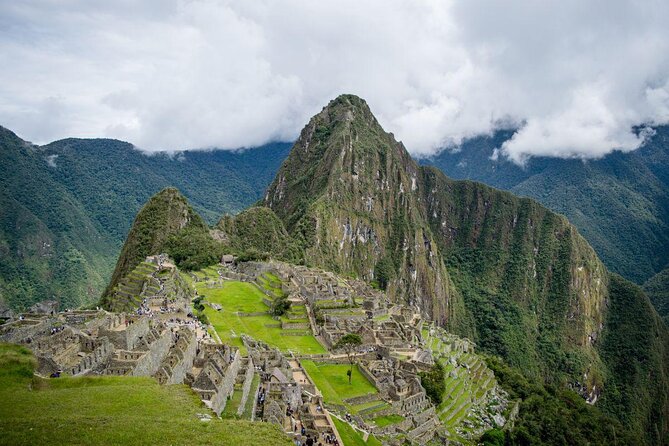
- Machu Picchu access via bus from Aguas Calientes with a timed visit and guided explanation
- Airport transfers on each destination so you’re not piecing together rides after flights
- Support available 24/7 in Spanish and English, with people who have handled delays and itinerary changes
First night in Lima: get your footing before the Andes
Day 1 starts with pickup at Lima’s Jorge Chávez International Airport and a transfer to your hotel. After you check in, you’ll get a day-by-day explanation of what’s planned for your exact package, plus practical suggestions for nearby restaurants and neighborhoods. That’s not just “info”—it’s the difference between being tired and quietly lost versus resting with a plan.
Lima is also a strong contrast to the rest of Peru: big-city energy, ocean air, and a food scene that can seriously spoil you for future meals. This first day is intentionally paced. I like that it doesn’t throw you into a marathon; it gives you space to rest so Day 2 hits harder.
More multi-day loops out to Cusco and beyond
A guided Lima day that mixes big monuments with local quirks
Day 2 is split across Lima’s Historic Center and Miraflores, which is smart. You see the power of the city’s colonial core, then you end with coastal views and a more relaxed neighborhood vibe.
Plaza de Armas and the colonial spine of the city
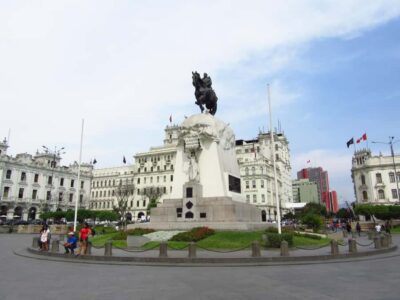
You start at Nicolás de Piérola Avenue and head to Plaza de Armas (Plaza Mayor). From this square you can practically read Lima’s power map: Government Palace, Cathedral of Lima, and other government-linked palaces around the perimeter. It’s short time-wise, but it gives you the shape of the city fast.
Then comes the Basilica and Convent of Santo Domingo. Built in the late 1500s (construction stretched over about 50 years), it’s an excellent Colonial architecture stop. More than the building itself, it’s tied to major religious figures: the remains of Santa Rosa de Lima and San Martín de Porres are part of what makes this site meaningful.
Huaca Pucllana: Lima as an ancient city, not just a capital
Next is Huaca Pucllana in Miraflores, one of Lima’s “huacas” (ceremonial centers) dating roughly to 200–700 A.D. This stop helps you remember that Peru’s story did not begin with Europeans or independence-era plazas. You also get an option for a dining experience at the archaeological site, which can turn this into more than a quick stop—though it’s the kind of thing you’d only plan if your schedule is calm.
- Lima: Ultimate Peruvian Food Tour★ 4.9 · 700 reviews
- Full Day Paracas Ica and Huacachina from Lima All Included★ 4.5 · 623 reviews
- From Lima: Day trip to Paracas, Ica and Oasis Huacachina★ 4.6 · 409 reviews
- Private transfers from Lima Airport or to Lima Airport★ 4.0 · 359 reviews
Miraflores viewpoints and the cat park
You finish with Parque del Amor and Kennedy Park. Parque del Amor is known for its ceramic benches, colorful landscaping, and the sculpture El Beso by Victor Delfin, plus it’s a Pacific-facing viewpoint over the Costa Verde. Kennedy Park is famous for its stray cat community, looked after by local efforts and the municipality of Miraflores. It’s one of those stops that feels human and slightly chaotic—in a good way—and it gives the day an emotional reset before you go back to your hotel.
Fly to Cusco with a real orientation, not just a transfer
Day 3 is about transition. You go from Lima to Cusco by flight, with pickup and timing built around the check-in process. The team meets you at Alejandro Velasco Astete International Airport and brings you to your Cusco hotel.
Two practical things stand out here:
- You’re encouraged to try coca tea as a comfort measure for altitude adjustment.
- After check-in, you get a city explanation with a map—where to go, where to eat, where to exchange money, and general guidance so you don’t spend your first hours wandering.
In a place like Cusco, this matters. Altitude can make you slow down, and being able to find simple essentials quickly reduces stress.
Cusco’s Inca foundations topped with Spanish architecture
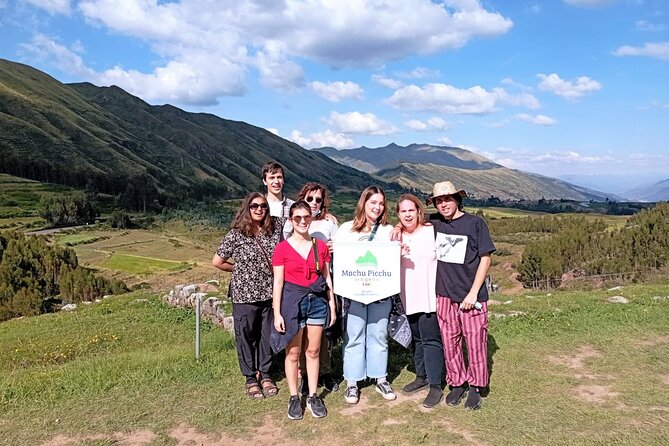
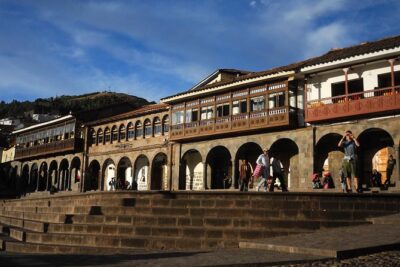
Day 4 is a full guided circuit around Cusco’s big names, and it’s arranged in a way that feels like a storyline: spiritual center, colonial layering, fortress, then ceremonial and water engineering sites.
Qorikancha and the Temple of the Sun
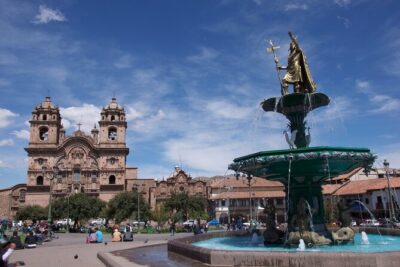
You start with Qorikancha—the Temple of the Sun, the key worship center of the Inca. What makes it compelling is the layering: you explore the Inca settlement foundation, then you see how a Catholic church was built on top of it. It’s a physical reminder that conquest here wasn’t only political—it changed stone, layout, and meaning.
Cusco Cathedral: baroque style with Inca bones
Then Cusco Cathedral. It’s described as colonial baroque architecture, but the important part is that the foundations are tied to an older Inca palace structure. Even if you don’t love churches, you can still appreciate the idea of reusing sacred space.
Sacsayhuaman and the “how did they do that” stones
Next is Sacsayhuaman, the fortress area with massive megaliths. Stones can be up to 5 meters and weigh over 120 tons. That scale is hard to grasp until you’re standing near it. It’s one of those stops where your brain starts asking questions like, Was this for defense, ceremony, or something in between?
Q’enqo, Puka Pukara, and Tambomachay: rituals and water systems
After that, the pace shifts to ceremonial centers and hydraulic engineering:
- Q’enqo: a ritual-based location tied by historians to sacrifices and ceremonies.
- Puka Pukara: fortress-like, believed to function as military and administrative support.
- Tambomachay: known for Inca hydraulic engineering, including channels and three fountains that continue providing water.
This is a great day if you like connecting the dots between belief, power, and how practical systems (like water) worked.
Sacred Valley day: alpacas, markets, ruins, and a river-side break
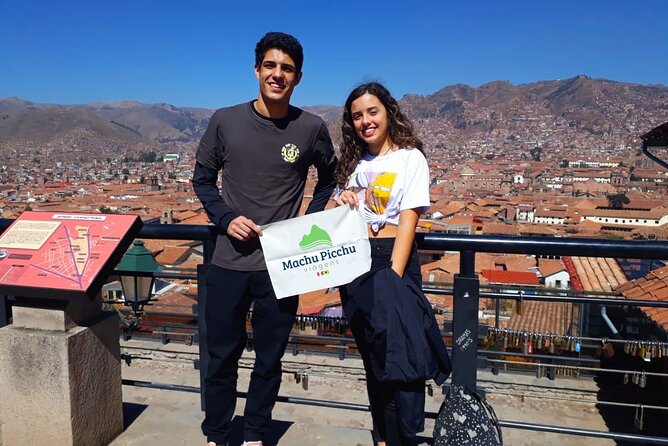
Day 5 is where Cusco’s story expands outward. You’re heading to the Sacred Valley, and the stops are designed to give you variety in one long day: animals, viewpoints, artisan shopping, major ruins, and then train time.
Awana Kancha: textiles plus camelid variety
You begin at Awana Kancha, an animal shelter and textile-focused place featuring alpacas, llamas, and vicuñas, along with Peruvian textile exhibition. This can be a nice mental breather before you start climbing viewpoints and ruins.
Pisac archaeological park and sweeping views
Then Pisac Archaeological Park (about 1 hour). It sits at roughly 3,300 meters and offers big views over the Sacred Valley. Even when you’ve already seen Inca stonework elsewhere, Pisac’s setting makes it feel like the landscape is part of the architecture.
Pisac Market: a craft-and-community stop
After that is Pisac Market, one of the region’s largest. You’re given time to browse artisan stalls and handmade pieces. This is the easiest place to buy something you’ll actually use—like a textile item you can bring home—since you’re not dealing with a souvenir frenzy right next to a single famous monument.
Urubamba lunch: take a break by the river
Lunch is at Tunupa Restaurant, a buffet setting by the Urubamba River, with about an hour allotted. If you’re tired from altitude and walking, this is the day’s pressure release valve.
Ollantaytambo: Inca town planning plus a major ruin
Then you visit Ollantaytambo, including its archaeological park. You’ll walk cobbled streets and see an Inca open draining system—again, practical engineering tied to daily life. Ollantaytambo is also recognized as the site that defeated the Spanish army for nearly 50 years, which gives the place more weight than just pretty stone.
Train to Aguas Calientes: sleep, photos, and altitude recovery
After exploring the village, you board the train to Aguas Calientes, a mountain-town base for Machu Picchu. You stay one night here, so the next day’s experience can start without a brutal early grind.
Machu Picchu day: bus up, guided timing, and a return that feels organized
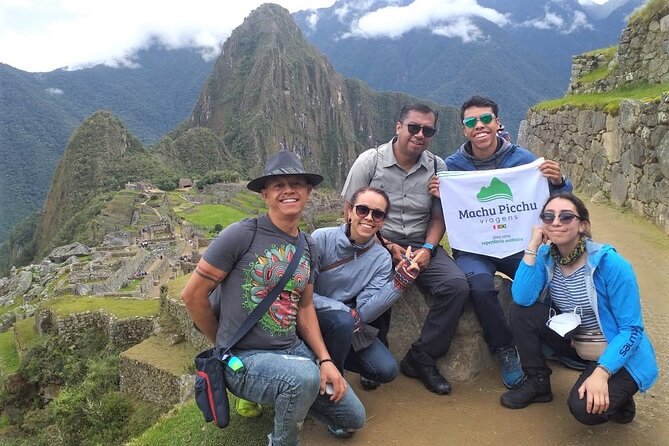
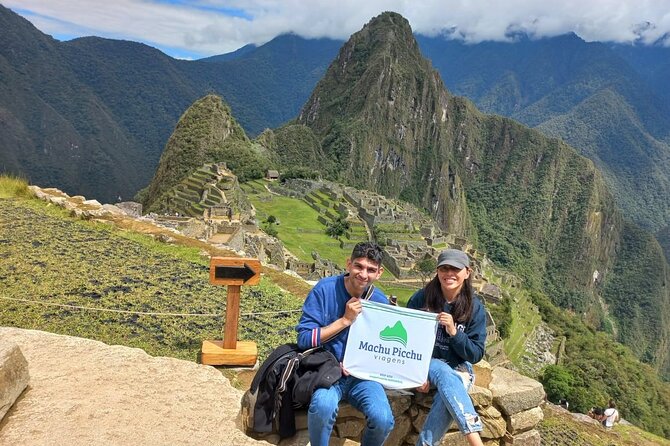
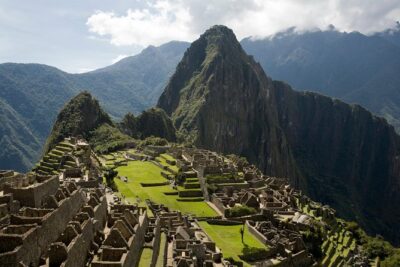
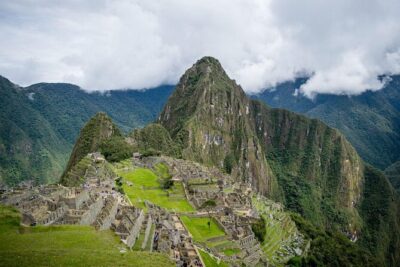
Day 6 is the main attraction: Santuario Histórico de Machu Picchu. You’re picked up from your Aguas Calientes hotel and taken by bus to Machu Picchu’s main entrance (about 30 minutes). Then you get guided time with a professional guide, typically about 2 hours at the site.
A good guide matters here, because Machu Picchu rewards attention. Your guide helps you connect the ruins to the Inca world—its logic, its layout, and its mysteries.
After the visit, you return back down to Aguas Calientes. Then the train takes you to Poroy station (about 30 minutes from Cusco), and your team transfers you back to your Cusco hotel.
This pacing is a big reason the experience feels manageable. The day is still intense, but the routing reduces the most stressful part—getting between key points on your own.
Final day in Cusco: leave with less stress
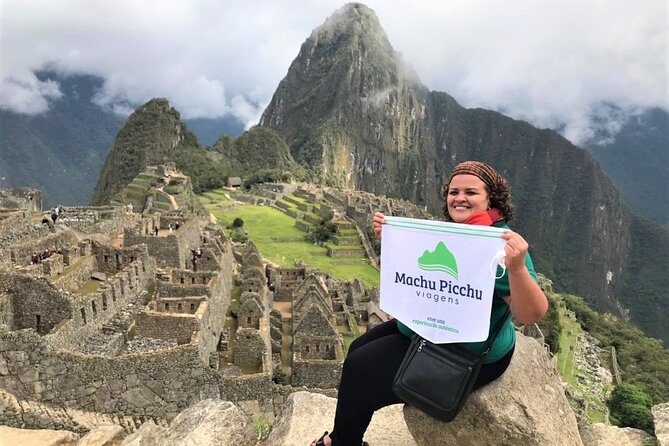
Day 7 wraps with a hotel pickup and transfer to the airport about 2 hours before your flight. That’s simple, but it’s exactly what you want after a trip where you’ve done a lot of moving.
You’re also covered by the team’s overall assistance system throughout, so if something small goes sideways, you’re not stranded trying to solve it alone.
Price and value: what you’re really paying for
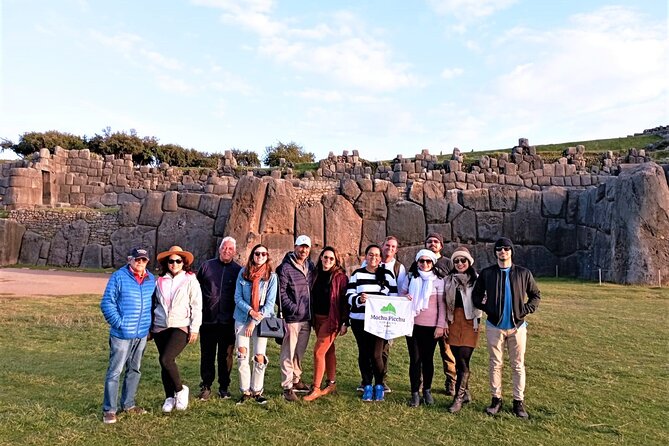
At $1,311 per person, you’re not just buying a list of attractions. You’re paying for the whole operating system:
- Hotel nights in Lima (2 nights), Cusco (3 nights), and Aguas Calientes (1 night)
- Breakfast (6) plus lunch
- Entrance tickets for all the archaeological sites on the plan
- Round-trip bus Aguas Calientes to Machu Picchu
- Round-trip train to Aguas Calientes
- Private transfers tied to airport moves and city transitions
- A professional team, with 24-hour assistance in Spanish and English
- A group size max of 17, which usually means better control of timing
Flights and travel insurance are not included, and food beyond what’s listed is on you. Drinks are not included either. That’s normal, but it matters for budgeting.
For me, the best “value” angle here is that you’re buying fewer moving parts. In Peru, where timing can be strict around sites, transport, and altitude, that kind of structure saves energy—and energy is part of what you’re paying for.
Who should book this tour, and who might want to think twice
This tour fits best if you want:
- A guided, organized route across Lima, Cusco, the Sacred Valley, and Machu Picchu
- Included tickets and transport so you’re not constantly planning
- A small group size (max 17) and staff support, including help in English and Spanish
- A classic first-time Peru arc: colonial Lima, Inca Cusco, Sacred Valley, and then Machu Picchu
It might not fit as well if you:
- Want lots of free time to wander independently every day
- Get stressed by tight schedules and long days (Day 4 and Day 5 are full)
- Are hoping to improvise around Machu Picchu based on weather, since it requires good conditions
Also remember: Machu Picchu is weather-dependent. If it can’t run due to weather, you’re offered a different date or a full refund.
Should you book this Machu Picchu, Cusco & Lima 7-Day Tour?
If you want Machu Picchu without turning your trip into a logistics project, I’d lean yes. This is the kind of itinerary where included entrances, transport, and airport transfers remove the friction that can drain a dream trip.
Book it if you’re excited by guided context—Lima’s historical core, Cusco’s Inca-Spanish layering, Sacred Valley’s mix of markets and engineering, and then the timed Machu Picchu experience. Just go in expecting full days, respect the altitude in Cusco, and keep some flexibility for weather on the Machu Picchu side.
FAQ
What does the $1,311 price include?
It includes hotel nights in Lima, Cusco, and Aguas Calientes, entrance tickets for the archaeological sites, round-trip bus Aguas Calientes to Machu Picchu, round-trip train to Aguas Calientes, private transfers (including airport transfers), professional guiding, and meals listed as lunch and 6 breakfasts.
Are tickets and transportation to Machu Picchu included?
Yes. You get entrance tickets for Machu Picchu, plus round-trip bus tickets from Aguas Calientes to Machu Picchu and back.
How much time do you spend at Machu Picchu?
The schedule lists about 2 hours at Machu Picchu with a professional guide.
Will I see more than just one area in Cusco?
Yes. Cusco day includes stops at Qorikancha, Cusco Cathedral, Sacsayhuaman, Q’enqo, Puka Pukara, and Tambomachay.
What meals are included during the trip?
The package includes lunch and breakfasts (6 total). Food and drinks not specifically mentioned are not included.
What happens if weather is poor for Machu Picchu?
Machu Picchu requires good weather. If it’s canceled due to poor weather, you’ll be offered a different date or a full refund.
How big is the group?
The tour has a maximum of 17 travelers.
More Tours in Lima
- Lima: Ultimate Peruvian Food Tour
★ 4.9 · 700 reviews - Lima: Paracas and the Huacachina Oasis Guided Day Tour
★ 4.5 · 354 reviews - Lima: Pachacamac Ruins & Barranco Half-Day Guided Tour
★ 4.6 · 296 reviews - Pre Inca Temple of Pachacamac Half-Day Tour from Lima
★ 4.5 · 283 reviews - Lima: Magic Water Circuit Light Show Tour with Pickup
★ 4.9 · 251 reviews
More Tour Reviews in Lima
- Lima: Ultimate Peruvian Food Tour
★ 4.9 · 700 reviews - Full Day Paracas Ica and Huacachina from Lima All Included
★ 4.5 · 623 reviews - Lima’s Vibrant Heritage: Exploring the City’s Landmarks Half-day
★ 4.5 · 581 reviews - From Lima: Day trip to Paracas, Ica and Oasis Huacachina
★ 4.6 · 409 reviews - Private transfers from Lima Airport or to Lima Airport
★ 4.0 · 359 reviews
More Multi-Day Peru
- 8-Days Best of The Inca Empire from Lima
★ 5.0 · 114 reviews - 7 Day Peru Private Journey
★ 5.0 · 71 reviews - 10-Day Taste Peru Experience: Lima, Nasca, Cusco & Machu Picchu
★ 5.0 · 63 reviews - 7 Days: Lima, Ica, Cusco & Machupicchu with local flights
★ 5.0 · 52 reviews - 8-Days Peru, The Rise of the Inca Empire
★ 5.0 · 49 reviews
Fresh from our Lima notebook, a few recent write-ups

Multi-Day Peru Trips from Lima, compared.
 ★ 5.08-Days Best of The Inca Empire from LimaFrom $1,454114 reviews
 ★ 5.07 Day Peru Private JourneyFrom $1,63071 reviews
 ★ 5.010-Day Taste Peru Experience: Lima, Nasca, Cusco & Machu PicchuFrom $2,00563 reviews
 ★ 5.07 Days: Lima, Ica, Cusco & Machupicchu with local flightsFrom $2,59952 reviews
 ★ 5.08-Days Peru, The Rise of the Inca EmpireFrom $1,28049 reviews
 ★ 5.08-Day Enigmas of PeruFrom $1,54149 reviews
 ★ 5.08-Day Peru Ancestral EnergiesFrom $1,26447 reviews
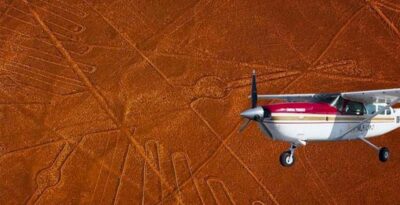 ★ 4.44 Day from Lima: Nazca Lines Flight, Paracas, and HuacachinaFrom $2995 reviews
Browse the lists this tour appears in