
Reviewed · MULTI-DAY PERU TRIPS FROM LIMA
8-Days Best of The Inca Empire from Lima
A trip that strings together Lima and the Inca heartland is never boring. This one is a smart mix of big guided sights and real stops that explain why Peru’s cultures mattered, with guided tours and breakfast included helping you keep moving without living on dry crackers.
The best parts for me are the built-in pacing in Cusco (so altitude doesn’t bully your plans) and the way Lima gets more than one “quick look.”
One consideration: you’ll want to treat Cusco altitude seriously and plan your first days gently, since the itinerary climbs into elevation fast and Machu Picchu adds another long day outdoors. Altitude sickness prep isn’t optional here.
In This Review
- Key highlights you’ll feel on this trip
- Lima Arrival and your first views: Miraflores to Plaza Mayor
- Pachacamac and Museo Larco: two ways to understand Peru’s past
- Magic Water Circuit and Pueblo Libre: a fun night with local flavor
- Cusco city primer after a morning flight: San Blas to the Main Square
- Sacsayhuaman and the Cusco ridgeline: fortress, caves, and viewpoints
- Sacred Valley Day 1: Pisac, alpacas, weaving, and Inkariy Museum lunch
- Sacred Valley Day 2 to Machu Picchu: Moray, Maras, Ollantaytambo, then the train
- Machu Picchu by bus: guided visit, terraces, and the Urubamba view
- Price and value: what $1,454 buys you (and what it doesn’t)
- Should you book this Lima and Inca Empire tour?
- FAQ
- What’s the starting point for this tour?
- Is airfare included?
- Are airport transfers and other transport included?
- How many nights are included?
- What meals are included?
- What are the main sightseeing days?
- Is Machu Picchu admission refundable?
- How big is the group?
- What should I know about flying to Cusco?
- What about altitude sickness?
Key highlights you’ll feel on this trip
- Maximum group size of 12 keeps the experience personal and easier to manage on crowded sites
- Two strong Lima days: Pachacamac ruins plus Museo Larco, then an evening at the Magic Water Circuit
- Cusco on foot with history loaded in (San Blas to the Main Square, with Korikancha included)
- Sacred Valley variety: alpacas and weaving, Moray’s microclimates, Maras salt mines, and Ollantaytambo
- Machu Picchu with guided pacing after a bus ride through Urubamba canyon views
- Most transport covered with hotels in Lima and Cusco, plus assistance at key connections
Lima Arrival and your first views: Miraflores to Plaza Mayor
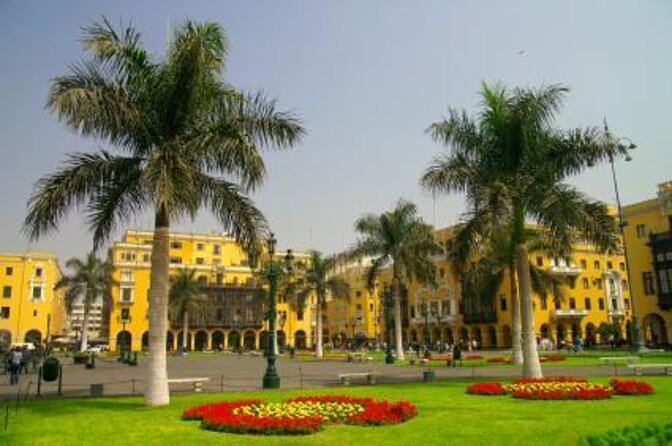
Day 1 starts in Lima with an airport meet-and-greet and a transfer to your hotel, then you ease into the city with a guided walk-and-look. I like this approach: it’s not “jet lag and chaos,” it’s orientation. You begin at Love Park in Miraflores, where you get a Pacific Ocean view that instantly tells you what kind of city Lima is—coastal, wind-coached, and spread out.
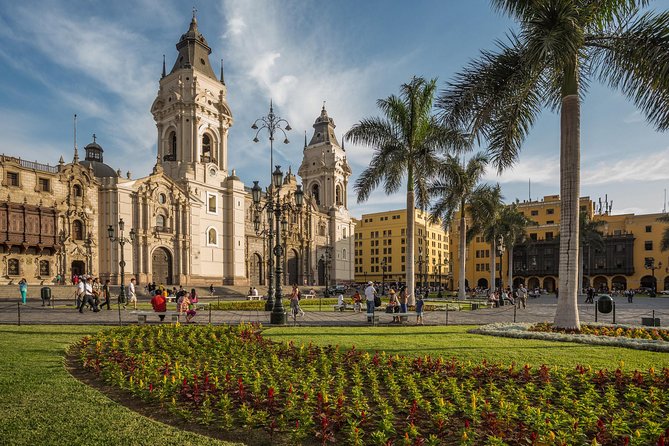
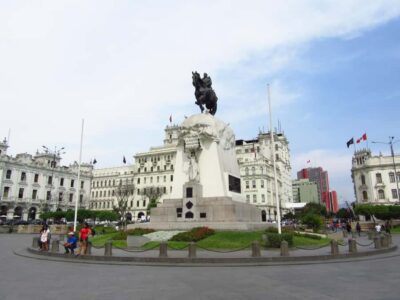
From there, you head to Huaca Pucllana, an ancient ceremonial center tied to Lima’s pre-Inca cultures. Even if you’re new to Peru, seeing adobe-and-stone archaeology inside a modern city gives you a real sense of time layering. Then it’s downtown energy at the Plaza de Armas (Plaza Mayor) area—where the Government Palace and Town Hall anchor the scene.
The Cathedral and the Santo Domingo Convent are a bonus for context. The convent corridors linked to San Martin de Porras and San Rosa de Lima add a human, religious history angle that fits nicely after you’ve seen the older ruins. If you’re the type who likes to understand the “how did this place become this place?” question, Day 1 does that well.
More multi-day loops out to Cusco and beyond
Pachacamac and Museo Larco: two ways to understand Peru’s past
Day 2 is one of the best value days because it tackles ancient Peru from two angles—big pilgrimage complex, then deep museum explanation.
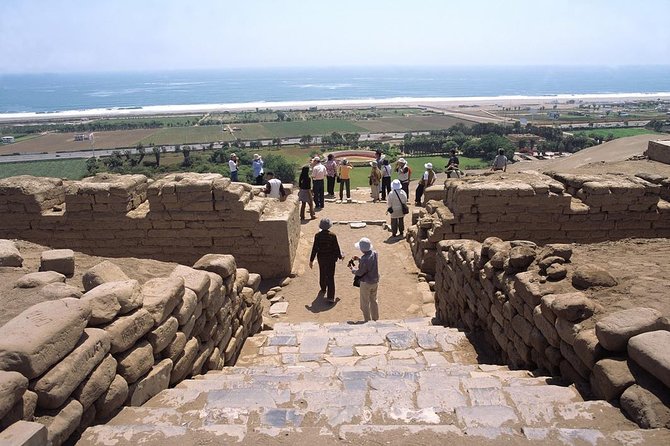
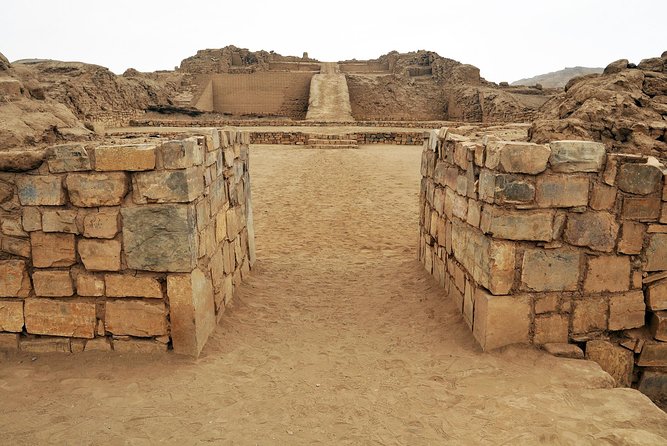
First up is Pachacamac, about 30 km south of Lima. This site was a pilgrimage center for multiple cultures, and when the Incas arrived, they adapted the complex while respecting existing construction. You’ll see major zones like the Temple of the Sun, the Acllahuasi, the Taurichumbi Palace, and the Pilgrims Plaza. The complex being adobe-built and overlooking the ocean and the Lurin River Valley is also a reminder that these places weren’t built for Instagram—they were built for meaning, ceremony, and movement.
Then you shift to the In-site Museum to connect what you just walked past with artifacts from the area. After archaeology, a museum stop prevents the classic problem of “I saw things, now I can’t remember what they were.” Here, you get the missing links.
Next is Museo Larco, located about 30 minutes from Lima’s city center. This is where you get a guided journey through Peru’s ancient cultures, plus the famous ceramics collection (including faces, objects, birds, and everyday life depictions). It’s also one of those museums where you don’t have to be an expert to feel the impact—because the storytelling is built into the displays.
If you’re a first-timer, this pairing is a strong one-two punch: ruins with context plus artifacts with explanation. If you prefer only outdoors, you might find the museum a lot—but it’s still well-placed.
Magic Water Circuit and Pueblo Libre: a fun night with local flavor
In the evening, the itinerary turns lighter with Circuito Magico Del Agua, the Magic Water Circuit—fountains, light, music, and interactive effects. It’s known for Guinness World Record recognition as the largest fountain complex in the world and also for having the world’s highest fountain source in a public park.
Is it “deep history”? Not exactly. But it’s a smart break after a day of ancient sites. You get a different kind of Lima experience, and the show format is easy for most travelers, including families.
Right after, the group heads to Pueblo Libre, where you get a stop in an old tavern setting and a simple food-and-drink moment: Peruvian sandwiches plus a pisco drink. Even if you don’t turn into a pisco convert, it’s a tidy, included taste of something local without forcing a long restaurant search.
Timing matters here. You’ll be out late enough that you should avoid heavy expectations for the next morning. This is one of those nights where going with the flow works best.
Cusco city primer after a morning flight: San Blas to the Main Square
Day 3 is a travel day that actually matters, because the itinerary includes a flight from Lima to Cusco and starts you in Cusco with history right away. The tour notes an important planning rule: when booking your flight, it must be in the morning, because arrival by noon is too late. In real life, that’s the difference between having a usable afternoon versus getting stuck in a scramble.
Once in Cusco, you start with a panoramic moment at San Cristobal Plaza. Then it’s to San Pedro Market to soak up the local flavors and learn what’s grown locally and how that feeds the city. That’s a good contrast to temple-and-palace stops—markets help you understand food systems, not just monuments.
Then comes one of the key Cusco sites: Korikancha, also called the Gold Enclosure. Seeing it after the market helps your brain connect daily life and belief systems, and then the tour adds another layer with the Santo Domingo Church.
A standout part of the Cusco day is walking through neighborhoods and key streets: you’ll move from San Blas (artisans’ area) toward Hatun Rumiyoc, with stops like the Inca Roca Palace area (now the Archbishop’s Palace) and the Twelve Angle Stone. It’s a compact walk with a lot of “this was here first” meaning.
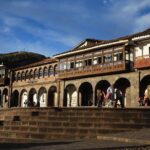
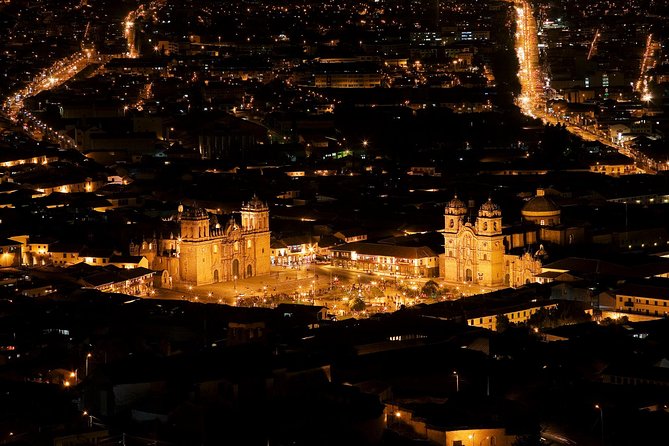
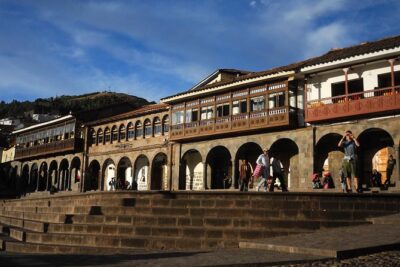
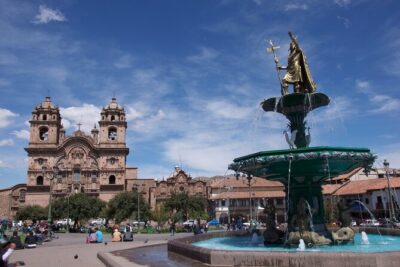
You end at the Main Square for the Cathedral and its colonial masterpieces. This is the classic Cusco layout, but the guide’s connections make it more than just a pretty plaza photo.
- Lima: Ultimate Peruvian Food Tour★ 4.9 · 700 reviews
- Full Day Paracas Ica and Huacachina from Lima All Included★ 4.5 · 623 reviews
- From Lima: Day trip to Paracas, Ica and Oasis Huacachina★ 4.6 · 409 reviews
- Private transfers from Lima Airport or to Lima Airport★ 4.0 · 359 reviews
Sacsayhuaman and the Cusco ridgeline: fortress, caves, and viewpoints
Day 4 is where Cusco starts to feel huge. You get early access to Sacsayhuaman, described as a fortress with colossal constructions and strong views. The point of this stop is simple: it helps you see Inca engineering at a scale that feels unreal up close.
From there you go to Qenqo, an Inca shrine with a sacrificial altar embedded inside a rock cave. It’s not just about stones; it’s about how rock shaped sacred space.
Then you move to the Puca Pucara viewpoint and Tambomachay. Tambomachay is described as reflecting impressive architectural knowledge connected to Andean cosmology. In practice, that means you’re not just chasing a view—you’re learning what people believed and how that belief got built into architecture.
One practical note: this day is partly about stepping away from crowds and enjoying the ridgeline atmosphere. That’s great if you like space and wide sightlines, but it does mean you should plan for uneven ground and real sun exposure. Bring water and wear shoes that don’t punish you on stone.
Sacred Valley Day 1: Pisac, alpacas, weaving, and Inkariy Museum lunch
Day 5 shifts into the Sacred Valley of the Incas, and the itinerary gives you a variety of entry points rather than one long site after another.
You begin with Awanacancha, where you’ll see and feed Andean camelids like llamas and alpacas. You also get to learn about traditional weaving and dyeing techniques from locals. This is one of those “you’ll remember it later” stops because it connects craft to daily life, not just ceremonial use.
Next is Pisac, with both Inca and colonial elements. You’ll get views and a walking tour through the colonial town, plus time for shopping at the handicraft market. If you plan to buy textiles or small souvenirs, this is a better moment than at the end of your trip—because you’re not rushed, and you can compare choices with a clearer head.
The day also includes a food-and-learning anchor at Inkariy Museum. You’ll enjoy lunch there, then take a guided tour through rooms displaying cultural representations of pre-Hispanic civilizations. The museum part helps the Sacred Valley day avoid becoming only scenic stops. It gives you a way to make sense of what you’re seeing.
If you’re traveling with kids, this day is a good mix: animals, workshops, ruins, and markets. It’s not all stairs and stone.
Sacred Valley Day 2 to Machu Picchu: Moray, Maras, Ollantaytambo, then the train
Day 6 is big, with a classic trio plus the transition to Machu Picchu.
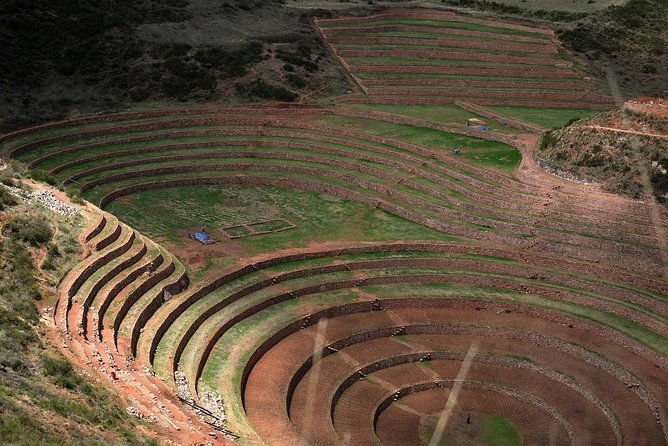
First is Moray, famous for its concentric terraces that simulate different microclimates. The purpose is explained as creating conditions for agricultural production across many climate types. This is one of the spots where the “Inca science” theme becomes real—you’re looking at a design that’s basically farming logic turned into architecture.
Then you go to Maras salt mines, where the contrast of white salt wells and the green valley is a highlight for photos. Even if you’re not a photographer, it’s a clear visual payoff after the more interpretive Moray explanation.
After a buffet lunch, the day keeps momentum with Ollantaytambo, including learning about the stoneworking technique used by the Incas. It also acts as the bridge to your next movement: the train to Machu Picchu. The tour includes arrival assistance for lodging in your hotel once you get there.
This is the day where you’ll feel travel fatigue, because the itinerary covers multiple strong stops and then switches to train transit. The payoff is that you reach Machu Picchu already in the right zone for a proper next-day visit, rather than pushing a too-long day from Cusco.
Machu Picchu by bus: guided visit, terraces, and the Urubamba view
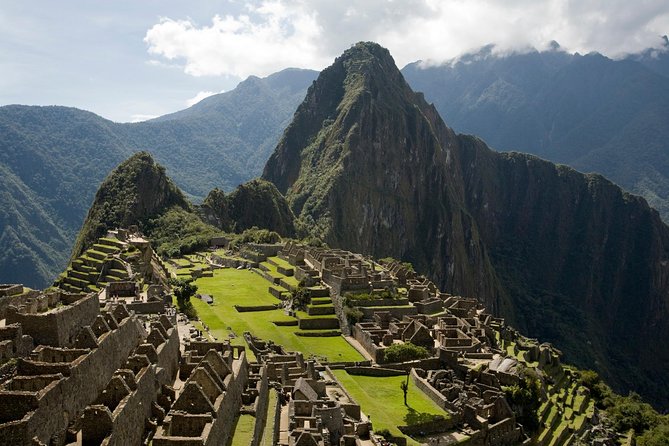
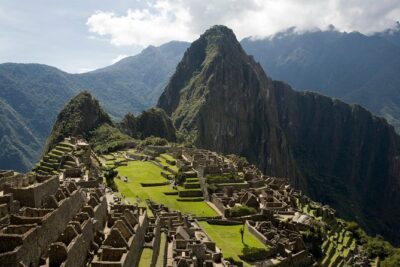
Day 7 starts with breakfast, then you board a bus up the winding road to Machu Picchu. You’ll get spectacular views of the Urubamba River and its canyon along the way. That pre-arrival scenery matters because it softens the shock of seeing Machu Picchu for the first time.
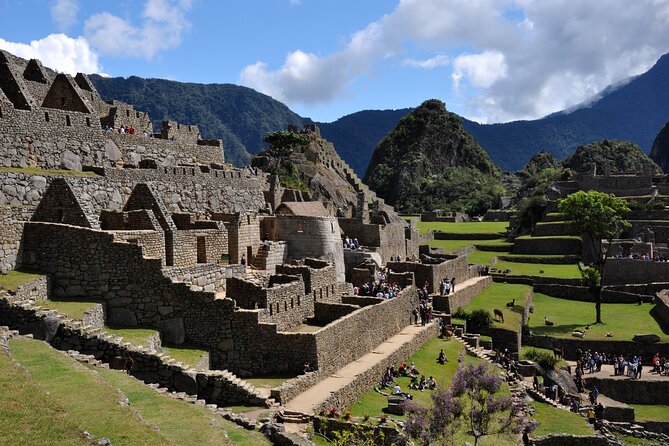
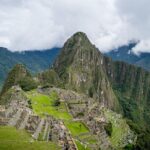
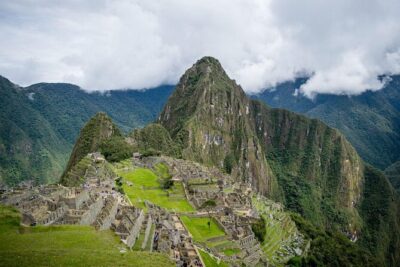
Once you’re there, you’ll visit the Lost City of the Incas: terraces, ceremonial shrines, steps, and urban areas. Your guided visit is the key ingredient here—Machu Picchu can look like just stone lines if you don’t understand how the spaces function.
After the tour, you’ll have lunch at one of the restaurants in the area, then return to Cusco. You’ll be transferred to your hotel and have overnight time in Cusco.
Important reality check: the Machu Picchu ticket is not refundable, and date changes or amendments aren’t accepted. If you think you might need schedule flexibility, plan extra care before buying or locking in your entry date. This is one of those “read this twice” details that can save you money.
Price and value: what $1,454 buys you (and what it doesn’t)
At $1,454 per person, this tour isn’t cheap, but it’s also not pretending you’ll do all the planning yourself. What you’re paying for is coverage of the heavy lifting: 7 nights accommodation, breakfast, entrance fees, and guided tours at each stop. Most transport is also included, with the big exception being flights.
The clear omission is airfare: Lima–Cusco–Lima airfare is not included. That can be a real factor when you compare “headline price” vs total trip cost. Still, having airport transfers, train/bus connections, and hotel logistics handled tends to be worth something, especially if you’re new to Peru.
You also get a small group size (maximum 12 travelers), which is a practical value point. In a place like Cusco or at major sites, smaller groups usually mean fewer bottlenecks and more room for the guide to help you adapt.
Meal coverage is also partly included: breakfast is included (7) and lunch is included (2). Food and drinks otherwise are on you unless specified. Plan for that so your spending doesn’t feel random day to day.
If you’re considering alternatives, look hard at whether your substitute would also cover entrance fees and guided time. Those pieces add up fast, and this tour already bundles them.
Should you book this Lima and Inca Empire tour?
If you’re a first-time visitor, or you want a Peru trip that’s guided without being frantic, I think this fits well. The itinerary balances Lima culture (ruins plus museum plus a lively evening) with Cusco’s Inca roots and then the Sacred Valley’s big-name variety. The Machu Picchu day is also timed with a bus ride and guided pacing, which is what most people need to get meaning out of the visit.
I’d also say it’s a good choice if altitude is a concern. The tour explicitly advises bringing medicine or asking a doctor before you depart if you suffer altitude sickness, and the pacing in Cusco helps you avoid doing everything at full intensity on day one.
I’d hesitate if you need maximum schedule flexibility for Machu Picchu, because the ticket can’t be refunded or amended. I’d also hesitate if you hate museums; Day 2 includes a major museum time alongside ruins.
FAQ
What’s the starting point for this tour?
It starts at J Chavez Intl Airport in Lima, Peru.
Is airfare included?
No. Airfare for Lima–Cusco–Lima is not included.
Are airport transfers and other transport included?
Yes. The tour includes transfers from/to airports, hotels, the railway, and the bus station. Most transport related to the itinerary is included.
How many nights are included?
There are 7 nights of accommodation, following the itinerary’s Lima and Cusco plan.
What meals are included?
Breakfast is included for 7 days. Lunch is included for 2 days. Other food and drinks are not included unless specified.
What are the main sightseeing days?
The itinerary includes guided visits in Lima, a Cusco city tour, Sacred Valley stops including Pisac, Moray, Maras, and Ollantaytambo, and Machu Picchu.
Is Machu Picchu admission refundable?
No. The Machu Picchu admission ticket is not refundable, and date changes or amendments are not accepted.
How big is the group?
This tour has a maximum of 12 travelers.
What should I know about flying to Cusco?
When booking your flight from Lima to Cusco, it must be in the morning, and arriving by noon is too late.
What about altitude sickness?
The tour notes that if you suffer from altitude sickness, you should bring medicine or ask your doctor for advice before you depart.
If you want, tell me your travel month and whether you’re more museum-person or outdoor-person, and I’ll suggest how to pace yourself in Lima and Cusco around that Machu Picchu ticket timing.
More Tour Reviews in Lima
- Lima: Ultimate Peruvian Food Tour
★ 4.9 · 700 reviews - Full Day Paracas Ica and Huacachina from Lima All Included
★ 4.5 · 623 reviews - Lima’s Vibrant Heritage: Exploring the City’s Landmarks Half-day
★ 4.5 · 581 reviews - From Lima: Day trip to Paracas, Ica and Oasis Huacachina
★ 4.6 · 409 reviews - Private transfers from Lima Airport or to Lima Airport
★ 4.0 · 359 reviews
More Multi-Day Peru
- 7 Day Peru Private Journey
★ 5.0 · 71 reviews - 10-Day Taste Peru Experience: Lima, Nasca, Cusco & Machu Picchu
★ 5.0 · 63 reviews - 7 Days: Lima, Ica, Cusco & Machupicchu with local flights
★ 5.0 · 52 reviews - 8-Days Peru, The Rise of the Inca Empire
★ 5.0 · 49 reviews - 8-Day Enigmas of Peru
★ 5.0 · 49 reviews
Fresh from our Lima notebook, a few recent write-ups

Multi-Day Peru Trips from Lima, compared.
 ★ 5.07 Day Peru Private JourneyFrom $1,63071 reviews
 ★ 5.010-Day Taste Peru Experience: Lima, Nasca, Cusco & Machu PicchuFrom $2,00563 reviews
 ★ 5.07 Days: Lima, Ica, Cusco & Machupicchu with local flightsFrom $2,59952 reviews
 ★ 5.08-Days Peru, The Rise of the Inca EmpireFrom $1,28049 reviews
 ★ 5.08-Day Enigmas of PeruFrom $1,54149 reviews
 ★ 5.08-Day Peru Ancestral EnergiesFrom $1,26447 reviews
 ★ 5.0Machu Picchu, Cusco & Lima 7-Day TourFrom $1,31130 reviews
 ★ 4.44 Day from Lima: Nazca Lines Flight, Paracas, and HuacachinaFrom $2995 reviews
Browse the lists this tour appears in