
Reviewed · HISTORIC CENTER & CATACOMBS
Lima: Historical, Colonial, and Modern City Tour
Lima hits differently when you stitch time periods together. This tour rolls from the old ceremonial heart of Pucllana Pyramid to the jaw-dropping underground San Francisco Convent. You’ll see how Lima changes from pre-Hispanic roots to colonial power and then to modern seaside neighborhoods.
Two things I really like: first, that opening panoramic look at Pucllana, with the site’s 4th-century AD roots and Inca-era importance in the mix. Second, the visit to the convent and its catacombs—a real architectural and spiritual stop, not a quick photo-op.
One thing to consider: the tour depends on timing and guide pacing. A late start can make parts feel rushed, and at least one past guest wished the guide brought more energy while repeating the same explanations.
In This Review
- Key Things to Know Before You Go
- A 4-Hour Lima Tour That Connects Pre-Inca, Colonial, and Modern
- Pucllana Pyramid Panorama: A Strong Start for Your First Morning
- The San Francisco Convent: Where the Art and Architecture Do the Talking
- The Catacombs: Underground Vaults That Make Lima Feel Real
- Miraflores and Love Park: The Modern Lima Break You’ll Appreciate
- Larcomar: A Walkable Taste of Coastal Modern Life
- El Olivar of San Isidro: Residential Lima and a Pause in the City Spin
- Price and Value: Is $40 Fair for What You Get?
- Tour Timing and Pacing: How to Keep It From Feeling Rushed
- Who This Tour Fits Best (and Who Might Want Something Else)
- Should You Book This Lima Tour?
- FAQ
- What’s included in the tour price?
- Where does pickup happen?
- How long is the tour?
- When does the tour start?
- What major sights will I see?
- Which languages are spoken by the guide?
- Is entrance to San Francisco included?
- Can I cancel if plans change?
Key Things to Know Before You Go
- Pucllana Pyramid panorama first to get your bearings before the heavier historical sites
- San Francisco Convent’s religious art focus plus entry included
- Underground catacombs (underground vaults) as the true standout moment
- Miraflores stops like Love Park for a taste of Lima’s modern vibe
- Mix of neighborhoods including El Olivar and Larcomar without spending all day in transit
A 4-Hour Lima Tour That Connects Pre-Inca, Colonial, and Modern
Lima can feel like a blur of neighborhoods unless you have a thread to follow. This tour gives you that thread fast. In about half a morning to early afternoon, you move across three eras, with each stop doing a specific job: set the historical scene, show Lima’s religious-era clout, then land you in today’s city energy.
The pace is practical. You’re not expected to memorize dates and names like you’re studying for an exam. Instead, you get the big ideas: pre-Hispanic ceremonial life (Pucllana), colonial religious power (San Francisco), and modern coastal Lima (Miraflores and beyond). For most visitors, that’s the sweet spot.
Price-wise, at $40 per person, you’re paying for more than sightseeing. You’re paying for pickup, transport, entry to San Francisco, and a bilingual guide (English and Spanish). If you’re already staying in Miraflores or San Isidro, this format can be a strong value because it saves you from planning the route and negotiating the logistics on your own.
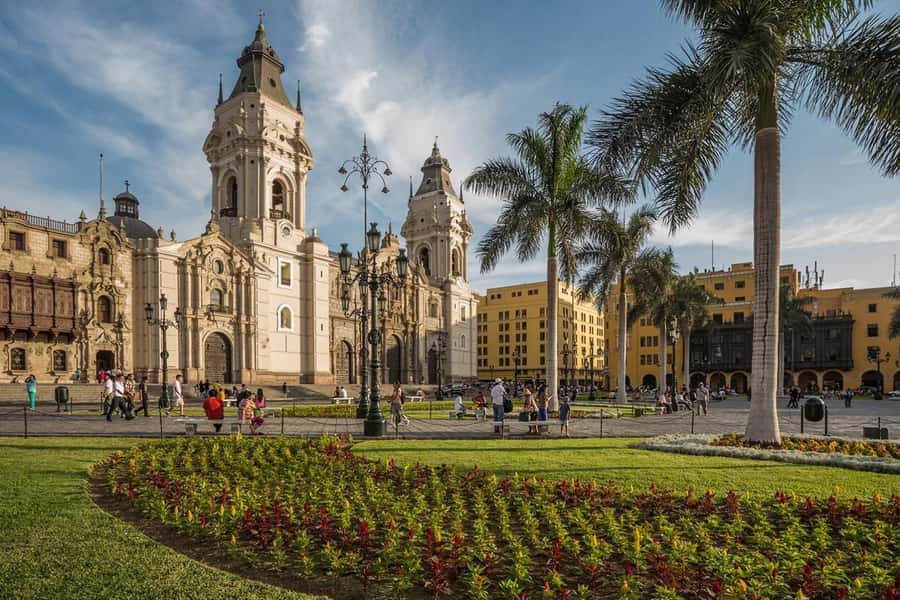
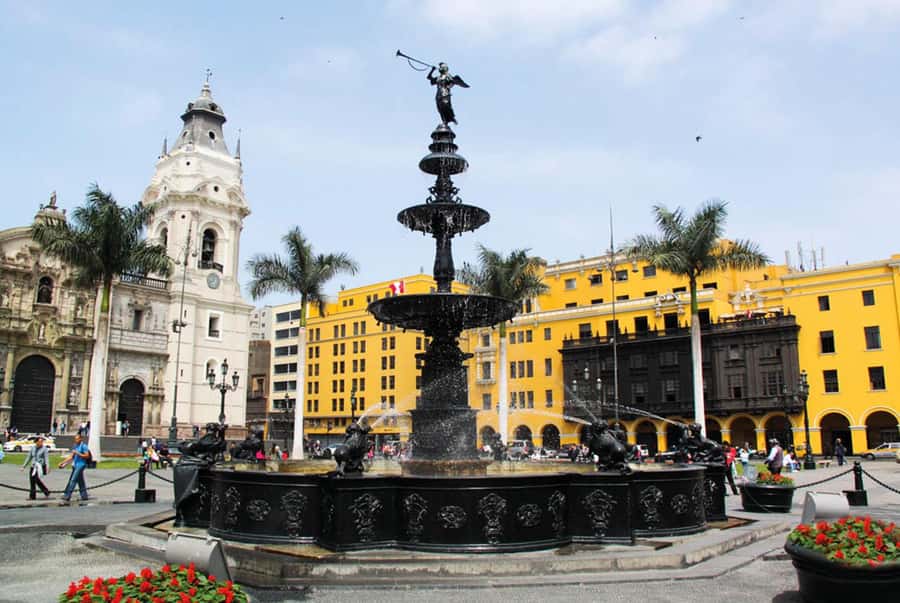
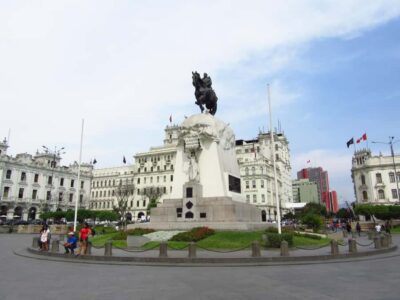
More of old Lima, the catacombs and Plaza Mayor




Pucllana Pyramid Panorama: A Strong Start for Your First Morning
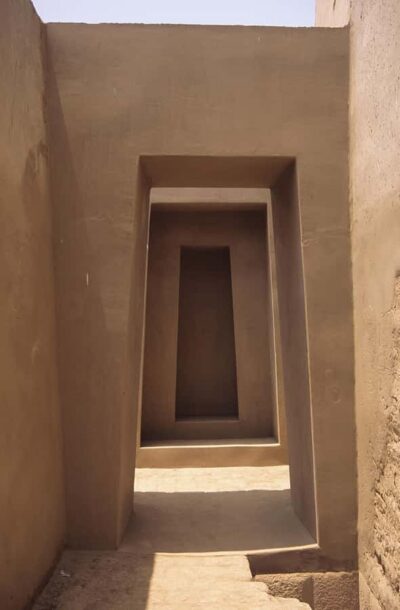
You’ll get picked up from your hotel in Miraflores or San Isidro at about 9:00 AM. After that, the tour begins with a panoramic view of Pucllana Pyramid. This is a smart opening because it gives you a visual anchor before you step into the more enclosed, indoor-heavy colonial sites.
Here’s what makes Pucllana worth your attention. The site was built in the 4th century AD, and it was considered a sacred village by the Incas. That matters because it frames Lima not as a single storyline, but as a layered place—older than the colonial era you’ll see next.
A small caution: this is described as a panoramic view, not a long stop. One guest even hoped for more time to get closer to Huaca Pucllana. If you’re the type who loves standing right next to archaeological textures and taking your time with details, you may want extra time either before or after the tour.
Still, as a first taste, it works. You’ll understand what you’re looking at later when the tour starts explaining how Lima grew over time.
The San Francisco Convent: Where the Art and Architecture Do the Talking
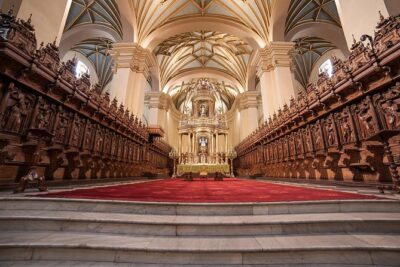
After Pucllana, the tour heads to the San Francisco Convent. This is the central act of the experience, and it’s built around a very specific kind of Lima power: religious influence made visible through art and monumental architecture.
The convent visit includes entry, and the focus isn’t vague. You’re told it displays the largest collection of religious art in America. That kind of claim is always worth treating with a grain of salt, but even without getting stuck on the exact superlative, the point is clear: this place is designed to impress you, and the art collection is a major reason why.
What I like about having this guided rather than self-guided is that the convent can feel like a lot of rooms and surfaces if you don’t know what to look for. A good guide helps you spot what’s important—what the site means, why it’s arranged the way it is, and what you’re seeing beyond the photo.
Timing note from the real world: one past guest reported arriving almost an hour late, which affected how much city touring they were able to do. If you’re counting on the schedule, it’s smart to keep a flexible sense of time that day.
The Catacombs: Underground Vaults That Make Lima Feel Real
If you only remember one part of this tour, make it the catacombs. The experience description is clear: you’ll visit the underground vaults associated with the convent.
This is where Lima stops being just a city you look at and becomes a place you feel. Underground spaces tend to do that on their own—cooler air, enclosed corridors, a different sound. And when you connect that physical feeling to the story of religious practices and burial traditions, it turns into one of those moments where everything clicks.
This is also the most consistently praised part. More than once, guests highlighted the cathedral/convent visit and especially the catacombs as excellent. That’s a good sign, because it usually means the guide work and the site access are both landing well.
What to expect in practical terms: you’ll be walking through areas connected to the convent complex and going into the spaces tied to the underground vaults. Bring the mindset that this isn’t just about taking pictures. It’s about comprehension—why people built these spaces and what Lima’s religious history was doing beneath the surface.
More half-day spins around the capital
- Lima: City Highlights Small Group Tour★ 4.9 · 132 reviews
- City Tour Panoramic Bus Departure from Larcomar★ 5.0 · 97 reviews
- City Tour of Lima from the Airport★ 4.5 · 84 reviews
- Lima City Tour. Pre-Hispanic, Colonial and Modern Tour.★ 5.0 · 74 reviews
Miraflores and Love Park: The Modern Lima Break You’ll Appreciate
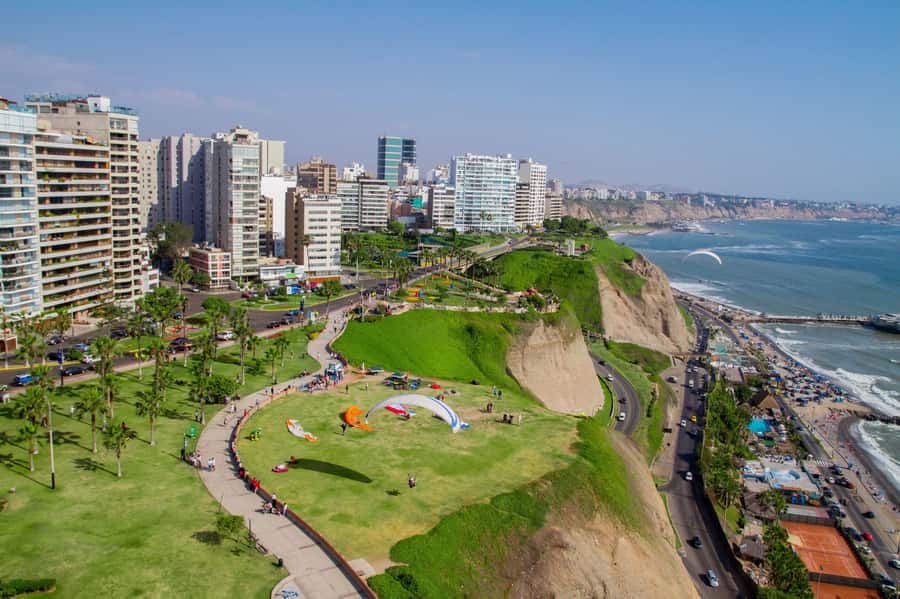
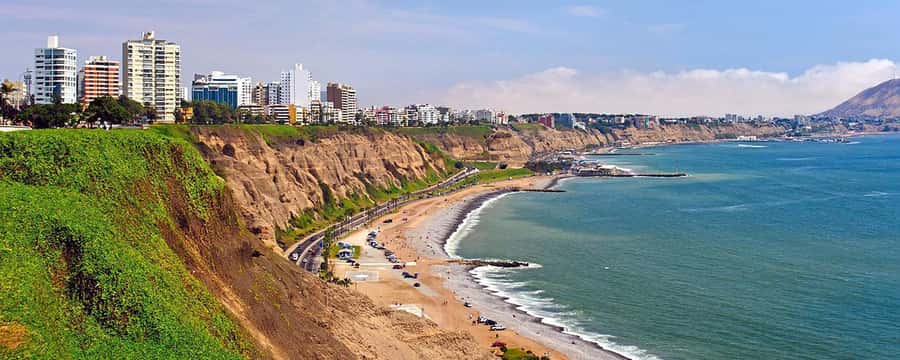
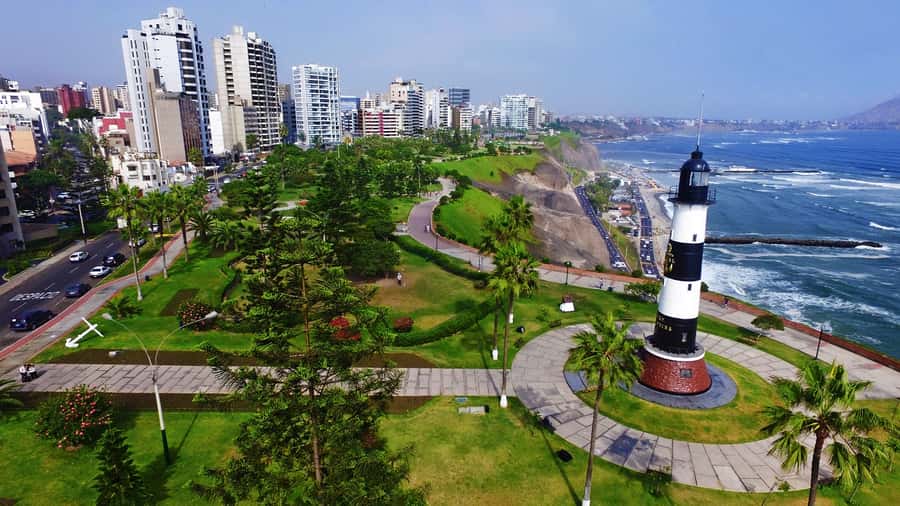
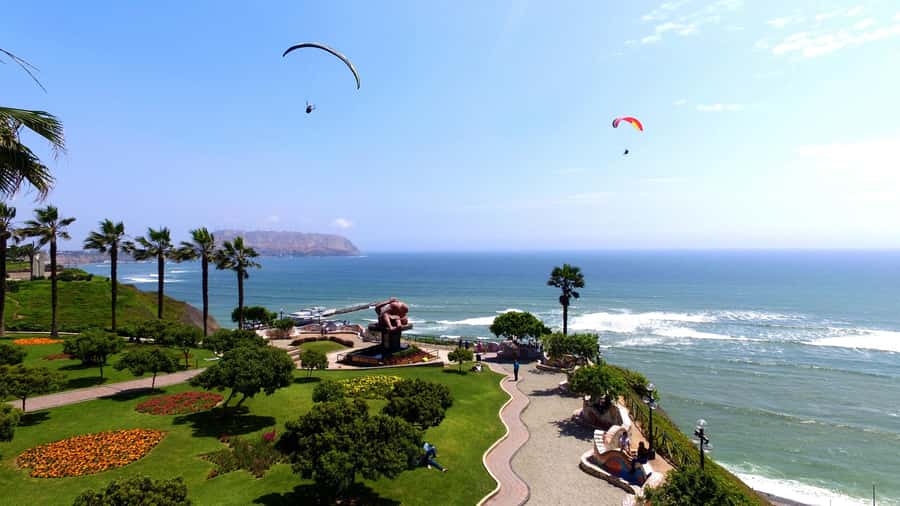
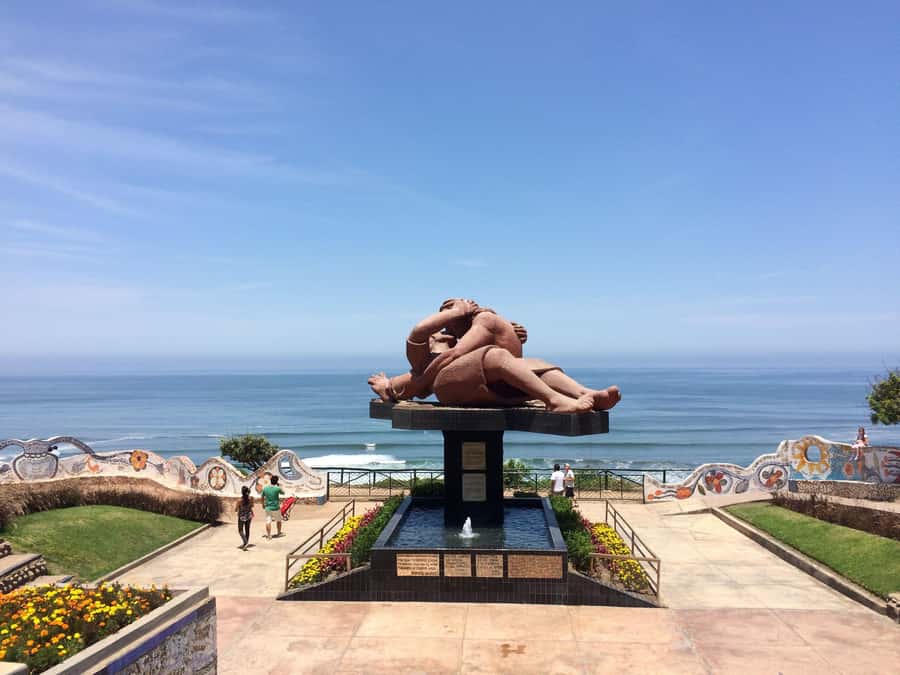
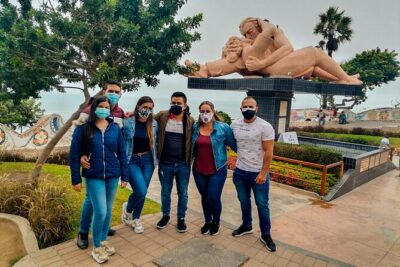
Once the tour shifts away from the convent, you’ll start seeing the city’s modern face. You’ll travel through traditional residential areas such as Miraflores and Larcomar, and you’ll include a stop at Love Park.
This part is more than a casual photo stop. Miraflores is one of the easiest places for visitors to understand Lima’s layout and energy: coastal views, active plazas, and a neighborhood design that feels tuned to everyday life. Love Park, in particular, is a recognizable Lima landmark for visitors because it gives you an immediate sense of place—what locals do, how the public spaces function, and how the city shows its softer side.
I like that the tour doesn’t keep you trapped in buildings the whole time. After the weighty feeling of the convent and catacombs, you’ll get daylight, open air, and city movement. That contrast makes the whole itinerary feel more balanced.
Larcomar: A Walkable Taste of Coastal Modern Life
Larcomar shows up as one of the residential and modern-area stops. Even without turning this into a full shopping or long lunch break, Larcomar gives you a slice of how Lima developed around its coastline and how modern commerce and views can share the same space.
The value here is perspective. You finish the colonial centerpiece and then shift to contemporary Lima without having to plan the transition yourself. You get to see the way the city looks and feels when it’s not focused on churches and catacombs.
If you want longer time here—maybe to wander, people-watch, or add a casual meal—this tour might not be enough. But as part of a short historical introduction, it’s a smart inclusion.
El Olivar of San Isidro: Residential Lima and a Pause in the City Spin
Another included stop is El Olivar of San Isidro. This is a classic reminder that Lima isn’t only archaeology and museums. It also has green, quieter pockets—especially in neighborhoods like San Isidro.
El Olivar works as a palate cleanser. After you’ve been around major monuments, you get a calmer rhythm. Even if you’re not a “park person,” it helps you understand Lima’s texture. It also gives you more than one kind of Lima photo: not just facades and churches, but streets and open space.
This stop also supports the broader theme of the tour: Lima across time, Lima across lifestyles.
Price and Value: Is $40 Fair for What You Get?
At $40 per person for a tour that runs about 4 hours, the value depends on what you’re trying to solve.
You get:
- Pickup and drop-off (from hotels in Miraflores or San Isidro)
- Transport between stops
- San Francisco entry
- A bilingual guide (English/Spanish)
If you’re staying near Miraflores or San Isidro, you’re saving yourself the hassle of arranging multiple legs of travel and figuring out entrance logistics for the main site. And because the most praised elements are tied to the convent and catacombs, you’re paying for more than movement—you’re paying for guided context during the heavy-hitter stop.
Where value can drop slightly is when you personally want extra time at certain locations—like getting closer to Pucllana. Since Pucllana is described as a panoramic view, you might still want a follow-up visit later if you love archaeology.
But if your goal is an efficient first introduction that makes Lima’s eras feel connected, the math usually works in your favor.
Tour Timing and Pacing: How to Keep It From Feeling Rushed
You’re starting around 9:00 AM and the tour is marked as completed around 2:00 PM. That’s another reason this feels like a compact “best-of” rather than a slow city stroll.
The practical question is: will you feel rushed? It can happen if traffic or logistics hit the schedule. One guest noted a near one-hour delay from their guide, and they felt the city tour portion was rushed. That’s the main drawback to keep in mind.
My advice: plan something flexible for later that day. Keep your evening free enough to absorb what you learned. Also, bring a little patience for Lima timing. Even a great itinerary can feel compressed if the transport needs more time than expected.
And if you do encounter a timing problem, there’s evidence from past experiences that using the tour communication channel with the office can help. It’s smart to have your phone ready and your confirmation details accessible.
Who This Tour Fits Best (and Who Might Want Something Else)
This tour is a strong match if you:
- Want a first-time introduction to Lima
- Like history that connects places to bigger eras (pre-Hispanic, colonial, modern)
- Appreciate guided context at major monuments, especially the catacombs
- Are staying in Miraflores or San Isidro and want pickup convenience
It may not be ideal if you:
- Want a long, hands-on archaeological experience at Pucllana (you may want more time on a separate visit)
- Are sensitive to schedule changes and can’t adjust plans if something runs late
- Prefer a guide who is extremely energetic from minute one (there’s at least one note about guide enthusiasm)
If you’re somewhere in the middle, you’ll likely be fine. The architecture and the underground spaces do a lot of the work even when pacing varies.
Should You Book This Lima Tour?
I’d book it if you want a smart, guided “time-jump” through Lima without spending the day mapping routes. The San Francisco Convent and catacombs are the kind of stops you don’t want to treat casually, and this tour is built specifically around that payoff. Add the Pucllana panorama and modern hits like Love Park and Larcomar, and you get a Lima picture that feels whole, not one-note.
I’d think twice if Pucllana close-up time is your top priority, or if your day is tightly scheduled and you can’t handle the possibility of delays. In that case, you could still enjoy the tour, but you’ll want to build in buffer time.
If you’re booking for a first visit, this is a solid way to get your bearings fast—then you can return to your favorite neighborhood or site with more time and fewer constraints.
FAQ
What’s included in the tour price?
The tour includes pickup and drop-off, transport, entry to San Francisco, and a bilingual guide (English and Spanish).
Where does pickup happen?
Pickup is available from hotels in Miraflores or San Isidro. If your accommodation is outside that area, the tour provides a meeting place.
How long is the tour?
The tour duration is 4 hours.
When does the tour start?
Pickup is around 9:00 AM.
What major sights will I see?
You’ll see Pucllana Pyramid (panoramic view), the San Francisco Convent and its underground vaults (catacombs), plus modern stops such as Love Park in Miraflores and Larcomar, along with areas like El Olivar of San Isidro.
Which languages are spoken by the guide?
The live guide offers English and Spanish.
Is entrance to San Francisco included?
Yes, entry to San Francisco is included.
Can I cancel if plans change?
Yes. You can cancel up to 24 hours in advance for a full refund.
More Tour Reviews in Lima
- Lima: Ultimate Peruvian Food Tour
★ 4.9 · 700 reviews - Full Day Paracas Ica and Huacachina from Lima All Included
★ 4.5 · 623 reviews - Lima’s Vibrant Heritage: Exploring the City’s Landmarks Half-day
★ 4.5 · 581 reviews - From Lima: Day trip to Paracas, Ica and Oasis Huacachina
★ 4.6 · 409 reviews - Private transfers from Lima Airport or to Lima Airport
★ 4.0 · 359 reviews
More of the Capital
- Lima’s Vibrant Heritage: Exploring the City’s Landmarks Half-day
★ 4.5 · 581 reviews - Lima: City Highlights Small Group Tour
★ 4.9 · 132 reviews - City Tour Panoramic Bus Departure from Larcomar
★ 5.0 · 97 reviews - City Tour of Lima from the Airport
★ 4.5 · 84 reviews - Lima City Tour. Pre-Hispanic, Colonial and Modern Tour.
★ 5.0 · 74 reviews
Deeper Into Old Lima
- Lima’s Vibrant Heritage: Exploring the City’s Landmarks Half-day
★ 4.5 · 581 reviews - Lima: Historic Center Street Food, Market, and Eateries Tour
★ 4.9 · 216 reviews - Lima: Water Magic Circuit, Downtown and Catacombs Night Tour
★ 4.8 · 142 reviews - Essential Lima: Half-Day Tour with Catacombs & Pick-Up
★ 5.0 · 141 reviews - Historic Downtown, Miraflores & Catacombs Private Tour
★ 5.0 · 100 reviews
Fresh from our Lima notebook, a few recent write-ups


Historic Center & Catacombs, compared.
 ★ 4.5Lima’s Vibrant Heritage: Exploring the City’s Landmarks Half-dayFrom $39581 reviews
 ★ 4.9Historic Center Street Food, Market, and Eateries TourFrom $69216 reviews
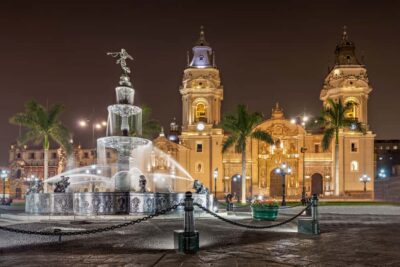 ★ 4.8Water Magic Circuit, Downtown and Catacombs Night TourFrom $75142 reviews
 ★ 5.0Essential Lima: Half-Day Tour with Catacombs & Pick-UpFrom $23141 reviews
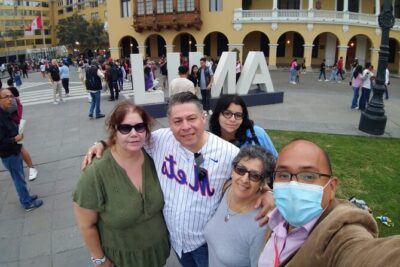 ★ 5.0Historic Downtown, Miraflores & Catacombs Private TourFrom $75100 reviews
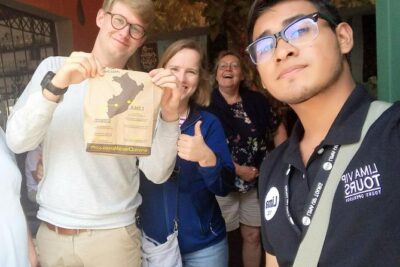 ★ 5.0Lima City Tour. Pre-Hispanic, Colonial and Modern Tour.From $3574 reviews
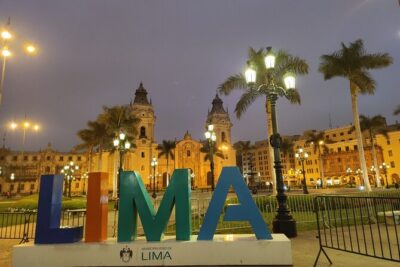 ★ 5.0Explore the Catacombs, Lima Main Square & Magic Water ShowFrom $5958 reviews
 ★ 5.0Guided Tours in Colonial and Modern LimaFrom $4454 reviews
Browse the lists this tour appears in