
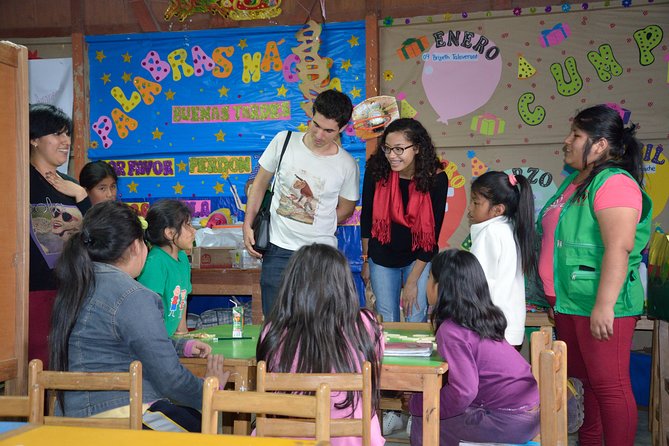
Reviewed · OFF THE BEATEN PATH & LOCAL LIFE
Half-Day Local Communities and Social Tour in Lima
Lima can feel like two cities in one day. This half-day tour takes you beyond the postcard streets to hill communities and a cemetery where Andean remembrance is on full display. I love how the visit is built around real people and real projects, not just sightseeing. I also love the lunch in a local home, because the meal comes with stories you can actually connect to.
One thing to think about first: you do have some walking on uneven terrain and the sun can be intense, even on cloudy days. If you have serious back or neck problems, this may not be the right fit.
In This Review
- Key Highlights You’ll Care About
- A Hill-Cemetery Meets Everyday Community Life in Lima
- Stop 1: Cementerio de Nueva Esperanza and the Andean Way of Remembering
- Stop 2: San Juan de Miraflores and the Stories Behind the Houses
- Lunch in a Local Home
- Community Leaders and Local Projects
- The Guides Make It Real: Alfredo, Bilingual Support, and Local Insight
- What You’ll Eat, What to Wear, and How to Handle Lima’s Sun
- Timing in Lima: Why 5 to 6 Hours Feels Like a Full Story
- Price and Value: What You Pay For Beyond Transportation
- Who Should Book This Tour (and Who Might Skip It)
- Should You Book This Lima Hill Communities and Social Tour?
- FAQ
- FAQ
- How long is the Lima half-day local communities tour?
- What’s included in the tour price?
- Will I get to visit the cemetery and a neighborhood community?
- Is the lunch included, and will it be traditional Peruvian food?
- Is this a private tour or shared with other groups?
- Is there much walking or uneven ground?
Key Highlights You’ll Care About
- Cementerio de Nueva Esperanza: the second-largest cemetery in the world, set among hills and homes, with a style you won’t forget
- Andean burial traditions: you’ll likely notice Catholic symbols mixed with local offerings and herbs on graves
- San Juan de Miraflores community visit: meetings with local families, entrepreneurs, and community leaders
- Home-cooked Peruvian lunch: prepared by a local cook and served in a neighborhood home
- Project support built into the tour: your contribution supports social work in the area
- Hotel pickup and private transportation: saves time in Lima traffic and keeps the day focused
A Hill-Cemetery Meets Everyday Community Life in Lima
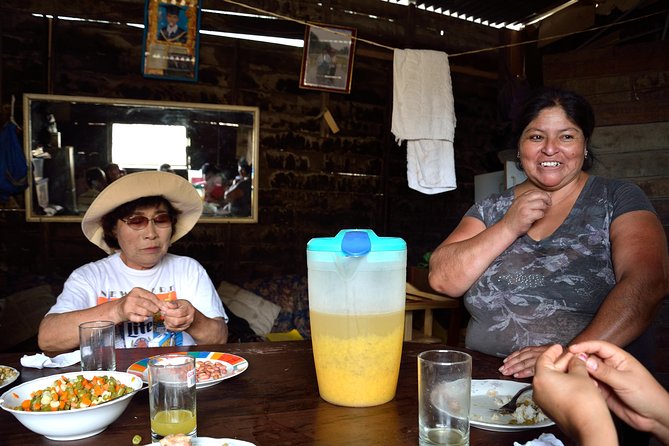
This tour is interesting because it refuses to separate culture from daily life. You start with a place built for remembering the dead, then you shift to a neighborhood working to build a better future. The contrast is strong, but the theme stays the same: community matters.
You’ll see Lima from the inside edge. Not the polished version. Not the short, clean version that fits into a couple of photos. You’ll spend time with local guides who explain what’s working, what’s hard, and how people support one another.
More walks through everyday Lima barrios


Stop 1: Cementerio de Nueva Esperanza and the Andean Way of Remembering
Your first stop is Cementerio de Nueva Esperanza, reached after about a 50-minute drive. This is the kind of cemetery that feels less like rows and more like a city carved into the hills. It’s also listed as the second-largest cemetery in the world, and it sits amid surrounding human settlements.
What makes it special is the look. Graves are colorful. Structures are personal. The whole place feels alive in a quiet way. If you like photography, you’ll probably take more pictures than you planned. Just remember: even if it’s colorful and photogenic, it’s still a burial site. Keep your tone respectful and move slowly.
One cultural detail I think you’ll find meaningful: Andean burial traditions here often blend Catholic imagery with local practices. Depending on the specific areas you visit, you might spot crosses and objects that look ceremonial, sometimes with herbs and offerings. And if you’re there around the Day of the Dead season, the community approach to remembrance is especially visible—families come with food and drink and treat it as a family event.
Practical note: the cemetery stop is about 30 minutes and includes the admission ticket. The time is long enough to see what’s going on and get your bearings, but short enough that you’re not rushing later in the neighborhood.
Stop 2: San Juan de Miraflores and the Stories Behind the Houses
After the cemetery, you head to San Juan de Miraflores, a large human settlement on the hill side. This is where the tour turns from cultural curiosity into human connection.
You start with a visit to a local woman who has created a small business and artisan workshop in her home. Expect a talk about her life and her work—part personal story, part how the business actually functions. It’s not a stage show. It’s more like stepping into someone’s routine and learning how creativity and survival can share the same room.
Then you meet the neighborhood through a bilingual guide working alongside a local guide. That pairing matters. The bilingual guide helps you understand what’s being explained, while the local guide steers you through the real layout of community life—where people gather, how families live, and how neighbors organize.
Lunch in a Local Home
A key moment comes at the house of the local cook, where you’ll eat an authentic Peruvian lunch that’s homemade. This is the part that often hits people emotionally, because you’re not just eating food—you’re hearing why that meal matters.
If you have dietary restrictions, tell the operator when you book. You’re also dealing with a desert climate and a warm environment, so hydrate. You’ll be more comfortable if you go in expecting a warm day.
A handful more Lima tours and tastings to fold into the week
- Lima: Pachacamac Ruins & Barranco Half-Day Guided Tour★ 4.6 · 296 reviews
- Pre Inca Temple of Pachacamac Half-Day Tour from Lima★ 4.5 · 283 reviews
- Lima: Miraflores Trending Flavors Half-Day Walking Tour★ 4.9 · 98 reviews
- Lima:Half-Day Pachacamac, Barranco & Chorrillos Private Tour★ 4.8 · 76 reviews
Community Leaders and Local Projects
After lunch, you’re guided around the area with attention to daily life—both the challenges and the initiatives. You’ll meet community leaders and learn about the local project your visit supports. On some days, you might even see activities involving kids in action, which is a strong reminder that community work is not only about today’s needs; it’s about what people are building for the future.
A good thing to know: this kind of visit can be easy to turn into voyeurism if the tone is wrong. The tour’s structure is meant to keep it respectful—sharing conversation and learning, not gawking. Still, go into it with an open mind and a calm attitude. You’re stepping into lives shaped by hardship, so kindness is part of the experience.
The Guides Make It Real: Alfredo, Bilingual Support, and Local Insight
The biggest upgrade on this tour is how the guidance is handled. You’ll have a local guide plus a bilingual guide, and that two-person approach keeps the explanations grounded while still being clear for you.
In one set of experiences, the guiding team included Alfredo, who’s described as entertaining as well as very knowledgeable. People also praised the patience for lots of questions, which matters if you want to understand details instead of just ticking boxes.
Here’s why that matters for you: Lima can be intense and complicated. Having a guide who can slow things down and translate nuance helps you connect to what you’re seeing. You don’t just observe the scenery; you understand what it means to the people living there.
What You’ll Eat, What to Wear, and How to Handle Lima’s Sun
This tour includes lunch, and it’s a highlight for a lot of people because it’s homemade Peruvian food served in a neighborhood home. You’re likely to remember it longer than a typical restaurant stop, mostly because of the context.
For comfort, plan around two things:
- Uneven terrain: there’s some walking on dirt and irregular ground
- Strong sun: most of the year is bright, and from December to April it can be brutal even when it’s cloudy
Bring sunscreen, a hat, and water. Wear comfortable shoes or sneakers. Skip sandals. You’ll want grip and support for uneven paths, especially around the community side.
And one more practical point: if you’re bringing kids, or if your party has limited mobility, know that this isn’t built for wheelchairs. It’s also not recommended for serious back or neck problems.
Timing in Lima: Why 5 to 6 Hours Feels Like a Full Story
The tour is listed at about 5 to 6 hours. That seems short until you factor in drive time and the pace of meeting people. The first drive is around 50 minutes to the cemetery, and after that you’ll spend the rest of the time in and around San Juan de Miraflores with a lunch break and guided conversation.
Traffic in Lima can swing a lot. You’ll likely feel that most during transfers. If you have to be back at a specific time—like an evening dinner reservation—tell the operator. A little heads-up helps the team manage the day.
Also, this is a private tour, meaning it’s just your group. Private doesn’t mean the day is slow, but it does mean you’re not fighting for space with strangers.
Price and Value: What You Pay For Beyond Transportation
At $182 per person, this tour isn’t a budget snack. But it’s also not overpriced when you look at what’s included.
Here’s what you get for your money:
- hotel pickup and drop-off
- private transportation
- a cemetery admission ticket
- a local guide and bilingual support
- lunch prepared for the group
- a contribution to the social project visited on tour
For a tour to feel like value, the key is control and credibility. This one does a better job than typical city tours because you aren’t just paying for a van. You’re paying for interpretation, relationships, and a direct link to the community work being supported.
If you want the street-level Lima experience—where you understand what people are doing and not only what they survive—this pricing starts to make sense fast.
Who Should Book This Tour (and Who Might Skip It)
I’d steer you toward this tour if you want:
- a more human, less touristy view of Lima
- a cultural stop that feels meaningful, not staged
- a chance to meet local entrepreneurs and community leaders
- lunch that’s part of the story, not an afterthought
It also works well if you like asking questions. The format seems designed for conversation, not just listening to a monologue.
I’d think twice if:
- you have serious back or neck issues
- your group needs very smooth, flat walking
- you’re not ready for a day that includes hardship and real living conditions
Should You Book This Lima Hill Communities and Social Tour?
Book it if you want Lima to feel like a place with people in it—not just sights. This tour gives you two anchors: Cementerio de Nueva Esperanza for Andean remembrance, and San Juan de Miraflores for community life and social projects. Add in hotel pickup, lunch in a local home, and a direct contribution, and you get more than a tour.
Don’t book it if you’re looking for only comfort and convenience with zero physical movement. Also, if you’re uncomfortable seeing poverty and the hard edges of daily life, this may feel heavy rather than inspiring. For the right traveler, though, it’s exactly the kind of experience that changes how you understand a city.
FAQ
FAQ
How long is the Lima half-day local communities tour?
It runs about 5 to 6 hours.
What’s included in the tour price?
Lunch, a local guide, private transportation, hotel pickup and drop-off, and admission to the cemetery are included, plus a contribution to the social project visited.
Will I get to visit the cemetery and a neighborhood community?
Yes. You visit Cementerio de Nueva Esperanza first, then head to San Juan de Miraflores for community visits and lunch.
Is the lunch included, and will it be traditional Peruvian food?
Yes. You’ll have an authentic homemade Peruvian lunch prepared by a local cook.
Is this a private tour or shared with other groups?
It’s a private tour/activity, so only your group participates.
Is there much walking or uneven ground?
There is some walking on uneven terrain. Comfortable sneakers are recommended, and it’s not recommended for participants with serious back or neck problems.
More Tours in Lima
- Lima: Ultimate Peruvian Food Tour
★ 4.9 · 700 reviews - Lima: Paracas and the Huacachina Oasis Guided Day Tour
★ 4.5 · 354 reviews - Lima: Pachacamac Ruins & Barranco Half-Day Guided Tour
★ 4.6 · 296 reviews - Pre Inca Temple of Pachacamac Half-Day Tour from Lima
★ 4.5 · 283 reviews - Lima: Magic Water Circuit Light Show Tour with Pickup
★ 4.9 · 251 reviews
More Tour Reviews in Lima
- Lima: Ultimate Peruvian Food Tour
★ 4.9 · 700 reviews - Full Day Paracas Ica and Huacachina from Lima All Included
★ 4.5 · 623 reviews - Lima’s Vibrant Heritage: Exploring the City’s Landmarks Half-day
★ 4.5 · 581 reviews - From Lima: Day trip to Paracas, Ica and Oasis Huacachina
★ 4.6 · 409 reviews - Private transfers from Lima Airport or to Lima Airport
★ 4.0 · 359 reviews
More Local Lima
- Lima Off the Beaten Path: Local Communities and Cultural Immersion
★ 5.0 · 41 reviews - Lima: Spiritual Healing with Xanga – The Smokeable Ayahuasca
★ 5.0 · 8 reviews - Lima: Villa El Salvador Shanty Town Tour
★ 5.0 · 3 reviews - Lima: Shanty Town Exploration
★ 5.0 · 3 reviews
Fresh from our Lima notebook, a few recent write-ups
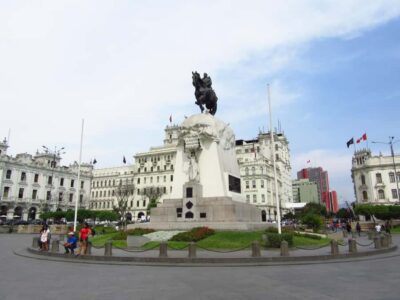

Off the Beaten Path & Local Life, compared.
 ★ 5.0Lima Off the Beaten Path: Local Communities and Cultural ImmersionFrom $18641 reviews
 ★ 5.0Spiritual Healing with Xanga – The Smokeable AyahuascaFrom $3008 reviews
 ★ 5.0Shanty Town ExplorationFrom $793 reviews
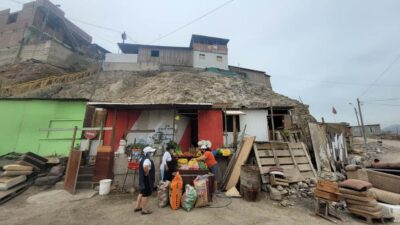 ★ 5.0Villa El Salvador Shanty Town TourFrom $613 reviews
Browse the lists this tour appears in