
Reviewed · OFF THE BEATEN PATH & LOCAL LIFE
Lima: Spiritual Healing with Xanga – The Smokeable Ayahuasca
This smokeable Ayahuasca feels made for Lima. You still get a real, guided spiritual session, but with Xanga’s effects often lasting just 15–30 minutes, so the day doesn’t swallow your whole schedule.
What I especially like is the practical premise: you don’t need to fly to the Amazon to try an Ayahuasca-style experience. I also like the way the ceremony is built around support and structure, with Paul guiding you through cleansing rituals and then helping you reflect after—so you’re not left to guess what just happened.
One thing to consider: this is still a medicine ceremony, and it’s not for everyone. It’s not suitable for pregnant women or anyone under 18, and you’ll need to stay fully off alcohol and other drugs for at least 48 hours beforehand (plus ask if you’re on prescription medication or have health issues).
In This Review
- What Makes Xanga in Lima Different
- Meeting at Huaca de La Luna 420 and Getting Oriented
- The 4-Hour Rhythm: Hike Up, Ceremony Time, Hike Back
- Paul’s Role: Clear Expectations and Grounding Support
- Xanga (Smokeable Ayahuasca): What’s in It and How It Works
- The Cleansing Rituals: Palo Santo, Sage, Sacred Essences
- Coca Ceremony and Hapé: Opening Energetic Channels Through Tradition
- Sound Therapy and the Changing Views From the Mountaintop
- The Xanga Ceremony: Multiple Journeys, Less Nausea, Fast Return
- Integration With Fruit, Refreshments, and Therapy
- Price, Group Size, and Real Value at $300
- Who This Fits Best (and Who Should Skip It)
- What to Bring and How to Prepare
- Should You Book Spiritual Healing With Xanga in Lima?
- FAQ
- Where is the meeting point for the ceremony?
- How long does the experience take?
- How long is the hike?
- What is included besides the Xanga ceremony?
- How long do the effects of Xanga typically last?
- Does Xanga cause nausea like drinkable Ayahuasca?
- What ingredients are used in Xanga?
- What should I bring and wear?
- Who is this ceremony not suitable for?
- Is alcohol and drug use allowed before the ceremony?
What Makes Xanga in Lima Different
- Short smokeable journey (15–30 minutes): The main effects are typically shorter than traditional drinkable Ayahuasca, with room to journey multiple times.
- Less likely nausea: Unlike many experiences with drinkable Ayahuasca, Xanga is described as rarely causing nausea or other undesired effects.
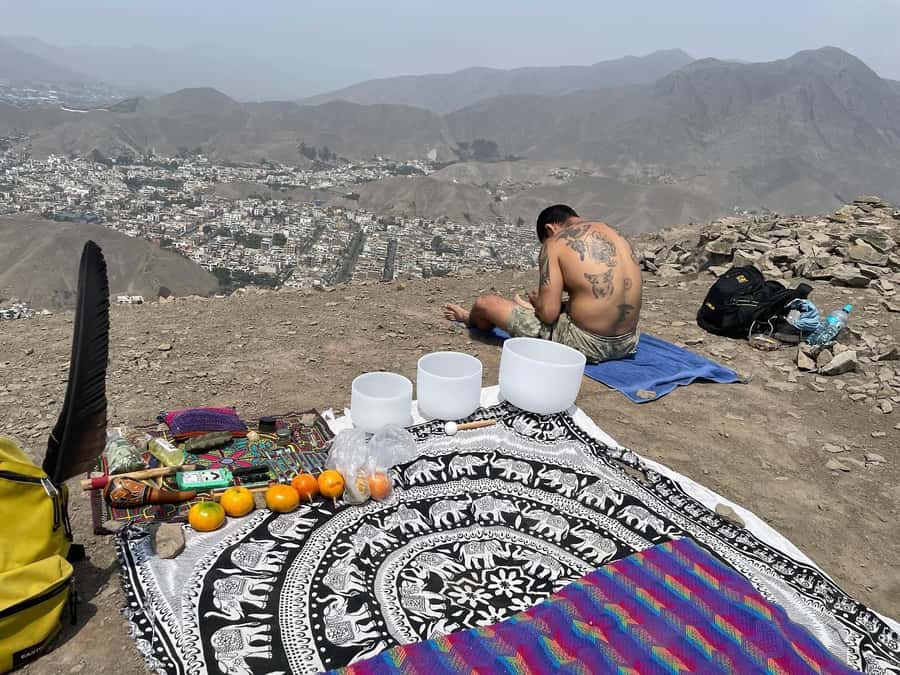
- Mountain setting near Huaca de La Luna 420: You’ll hike up and hold the ceremony with big sky views and changing light.
- Paul’s guided, tailored approach: Small group size (up to 4) and clear expectations, plus space to reflect.
- Lots of pre-medicine ritual work: Palo Santo, white sage, sacred essences, Pachamama offering, Coca ceremony, Hapé, and sound therapy.
- Integration is included: You’ll have fruit, refreshments, and integration therapy at the end to help you land back in normal life.
Meeting at Huaca de La Luna 420 and Getting Oriented
The experience starts at Huaca de La Luna 420, and I like that it’s specific. You’re told to pass Ovalo de los condores, keep going up Los Fresnos, and then follow prolongacion de Los Fresnos until you reach Vilcabamba. From there, you turn left and continue down Vilcabamba to Huaca de La Luna, then turn right and keep going up Huaca de la Luna until you reach a grey building marked 420.
Once you’re outside, you’ll call Paul or press the top-right button on the intercom. That little instruction matters because it reduces that awkward moment of standing around wondering if you’re in the right place. I’d treat this like a meet-and-greet plus a pre-ceremony briefing: show up early enough to settle your nerves, not late enough to rush.
Language is English or Spanish with a live guide, and that matters if you’re trying to understand what you’re doing and why. A ceremony like this can be intense, so you’ll want to be able to ask questions and receive straightforward guidance.
More walks through everyday Lima barrios


The 4-Hour Rhythm: Hike Up, Ceremony Time, Hike Back
You’re looking at about 3–4 hours total. The schedule includes hiking both ways, and you should plan on around 30 minutes of hiking time each direction, with the medicine ceremony taking place after the climb (it’s also described as a 20-minute hike up to the spot). Either way, don’t assume this is a sit-down activity from start to finish.
Here’s why the hike is more than just exercise. It gives your body a transition period. You walk into a different mental gear—away from street noise, into a slower pace—and that sets you up for the cleansing and opening rituals that come next.
The ceremony itself is guided for about 3 hours, while the hike segments frame the day so you’re not suddenly thrown into the medicine without preparation. When you finish, you’ll hike back down and return with fruit and integration support, which is a big part of why this feels more manageable than a full-day jungle retreat.
Paul’s Role: Clear Expectations and Grounding Support
Paul is the facilitator, trained in Andean shamanic traditions, and the vibe from the start is calm and supportive. In the feedback you’ll see a recurring theme: Paul helps you feel prepared by setting expectations clearly and giving you space to reflect afterward.
That matters, especially if you’re sensitive to strong experiences. Several people describe the medicine journey itself as hard to describe and sometimes intense, but they credit Paul’s presence for helping them stay grounded. I’d take that as a practical signal: if you show up anxious or scattered, you’ll still get support, but you also need to arrive ready to participate without fighting the process.
Also, Paul communicates personally. People reported contacting him via WhatsApp before the ceremony, including sharing his own healing story and why he now dedicates himself to helping others. I’m not saying this guarantees the “right” outcome for everyone, but it does suggest a relationship-first approach rather than a factory-line setup.
Small group size is limited to 4 participants. That keeps the experience from feeling rushed and makes it easier for Paul to tailor guidance and attention.
Xanga (Smokeable Ayahuasca): What’s in It and How It Works
Xanga is a smokeable plant medicine. The principal ingredient is Mimosa hostilis, and it’s prepared in-house. It also includes Egyptian Blue Lotus flower, Syrian Rue, and other master plants.
If you’re comparing it to traditional Ayahuasca, the key similarity is the active ingredient connection. The big difference is the format and timing. Effects are typically about 15 to 30 minutes, which is shorter than the roughly 4 hours you’d expect from drinkable Ayahuasca. You can also journey multiple times during the ceremony if you want to go again.
Why this matters for your travel plans: you’re not committing to the kind of prolonged timeline that can derail the rest of your day or night. You still get a full guided experience, but the “come-up to after” window is tighter.
Another point: Xanga is described as rarely causing nausea, vomiting, or other undesired effects compared with drinkable Ayahuasca. That doesn’t mean it’s going to feel identical to everyone, but it suggests the session is designed to reduce the physical side effects that can make some people dread the experience.
And yes, you might hear people refer to this as a Changa-style experience. The core idea is the same: smokeable plant medicine with Ayahuasca-related chemistry, delivered in a shorter, structured session.
- Lima: Ultimate Peruvian Food Tour★ 4.9 · 700 reviews
- Full Day Paracas Ica and Huacachina from Lima All Included★ 4.5 · 623 reviews
- From Lima: Day trip to Paracas, Ica and Oasis Huacachina★ 4.6 · 409 reviews
- Private transfers from Lima Airport or to Lima Airport★ 4.0 · 359 reviews
The Cleansing Rituals: Palo Santo, Sage, Sacred Essences
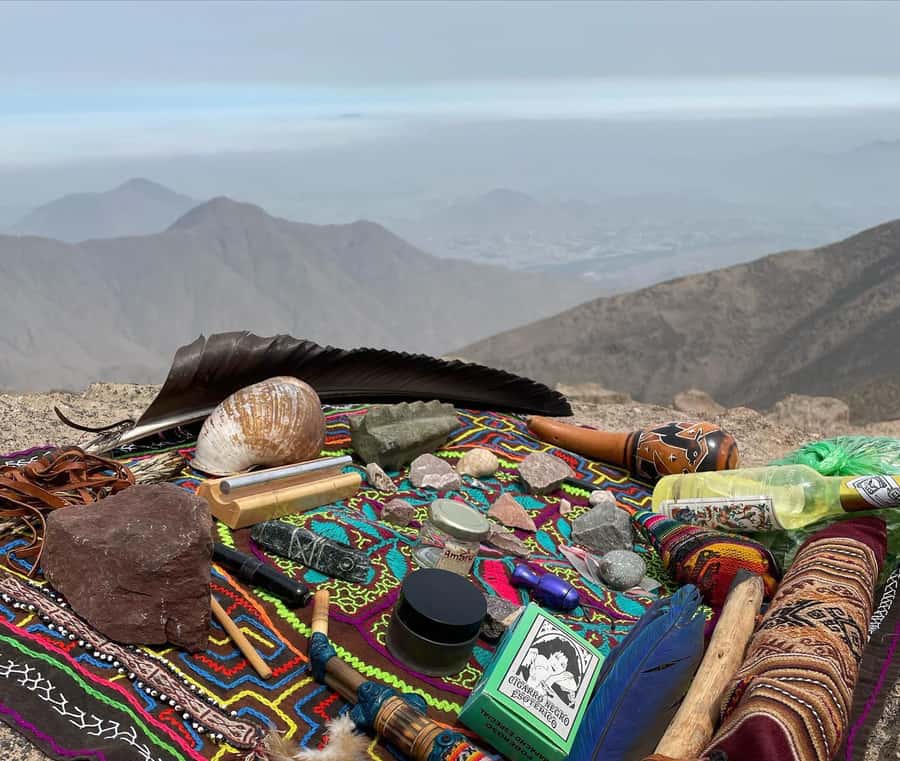
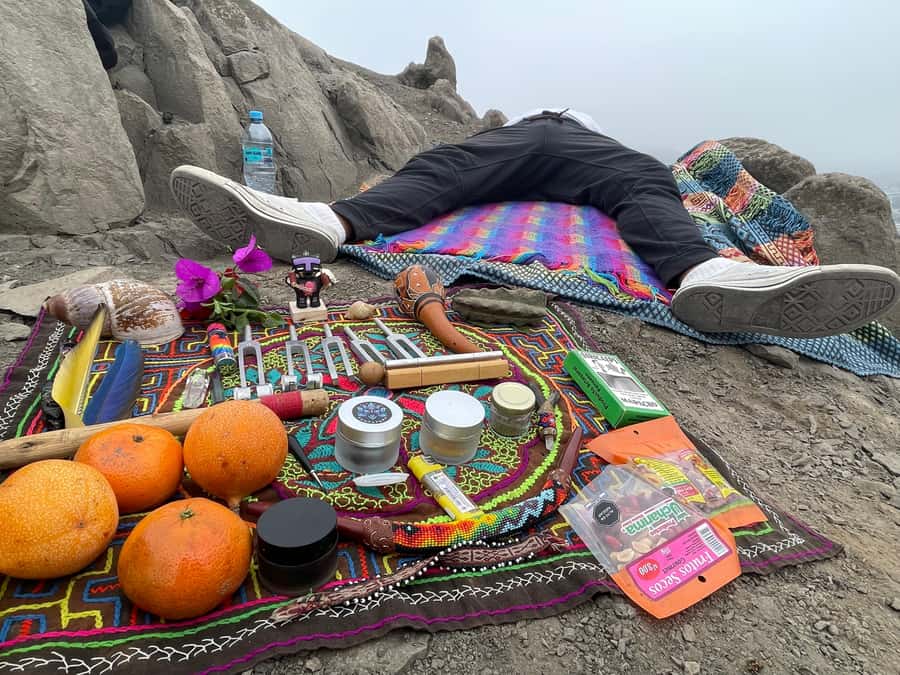
Before the main medicine part, the ceremony includes a cleansing ritual. You’ll use Palo Santo, white Mexican sage, and sacred essences. The practical purpose here is to shift your state and “reset” your mindset.
It’s also a cultural sequence. This isn’t just a cool smell and a few waves of smoke; it’s meant to help purify your mind, body, and spirit so you enter the medicine portion clearer and less resistant. If you’re the type who likes to understand the steps, take this section seriously—because once you start the medicine journey, you won’t have the bandwidth to figure things out on the fly.
I also like that the ceremony includes an offering to Pachamama. Even if you come in unsure about spiritual framing, making an offering is a concrete act. It tells your brain and your body you’re participating, not just watching.
Coca Ceremony and Hapé: Opening Energetic Channels Through Tradition
After the cleansing and offering, the program moves into additional Andean elements: a Coca ceremony and a Hapé ceremony.
The Coca ceremony connects you with ancestral energies. The Hapé ceremony is described as opening and cleansing energetic channels. Whether you interpret these as strictly spiritual, symbolic, or both, the real value for you as a participant is that you get guided pacing. The experience builds in layers: purification, gratitude, ancestral connection, then energetic opening.
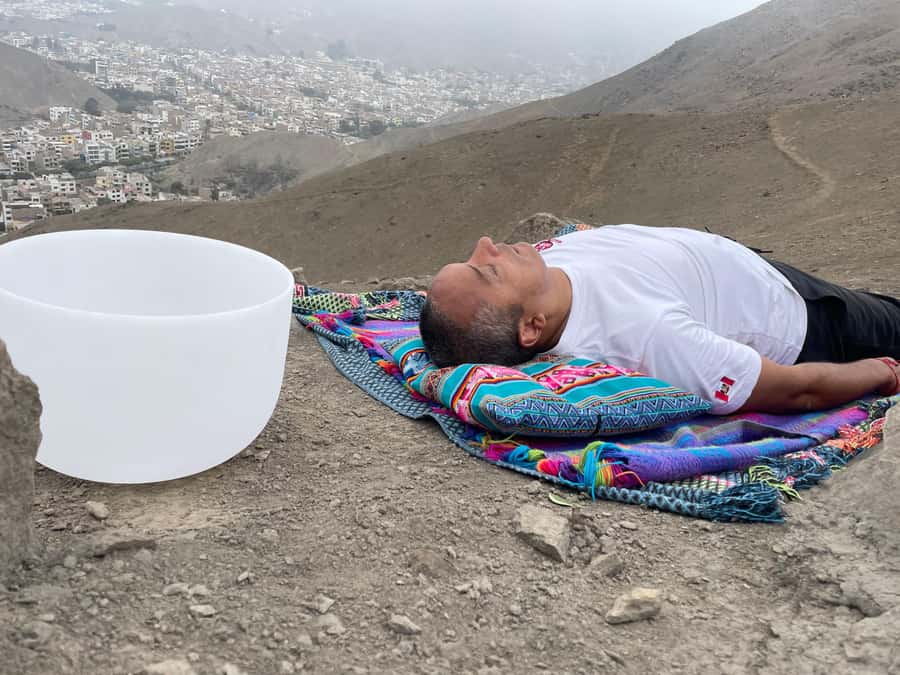
There’s also sound therapy, designed to harmonize you through sound vibrations. If you’re prone to overthinking, sound can help. It gives your attention a place to land.
These sections matter because they explain what comes next. They also help you understand why the smokeable medicine portion isn’t the only “thing.” You’re not just taking a substance; you’re going through a sequence meant to support healing and insight.
Sound Therapy and the Changing Views From the Mountaintop
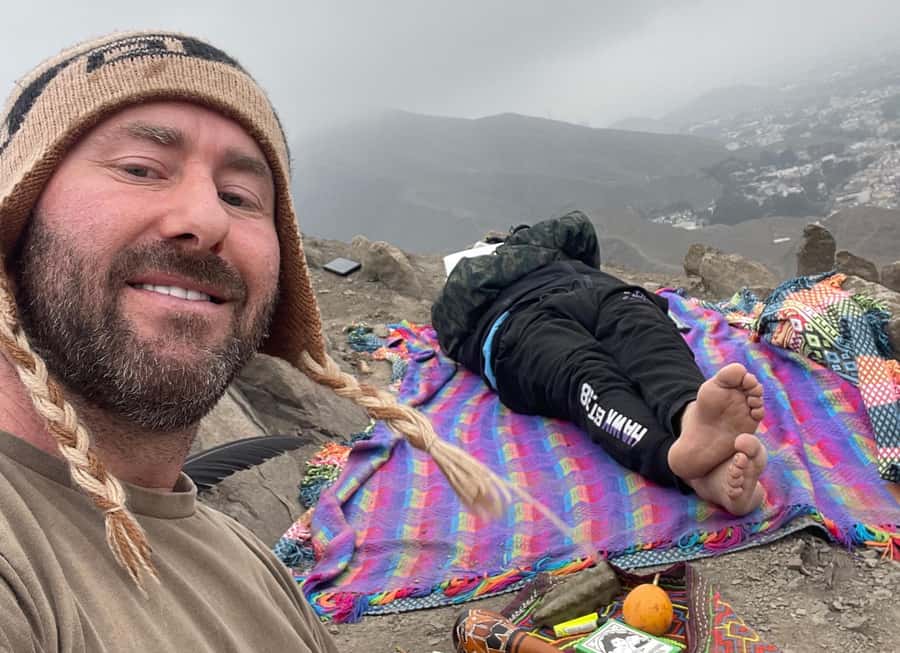
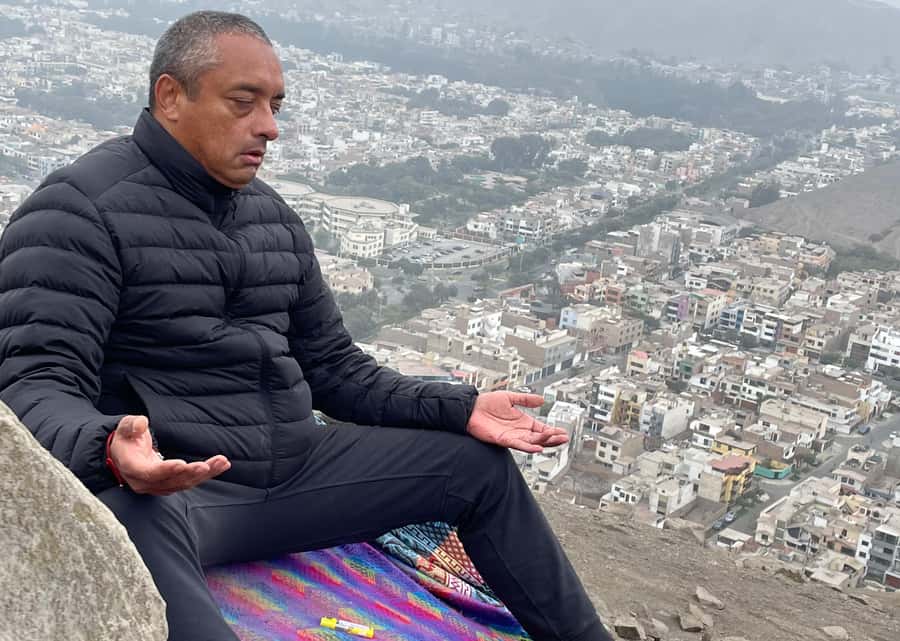
One of the standout details from the experience is the setting. The ceremony takes place on a mountaintop, and people specifically mention incredible views and how the scenery changes as the day goes on. That kind of natural pacing is underrated.
When you’re in a short medicine session, you need the environment to do some of the work of holding you. A skyline view, shifting light, and open air help your mind stop grabbing for distractions. You might find it easier to surrender when the surroundings feel like part of the ritual instead of just a backdrop.
Also, because this is Lima Province and not a remote jungle camp, you’re in a more accessible region. That can make the spiritual work feel more realistic for normal travel life. You’re not treating the whole trip as a one-time survival test. It can feel like a focused appointment with your inner life.
The Xanga Ceremony: Multiple Journeys, Less Nausea, Fast Return
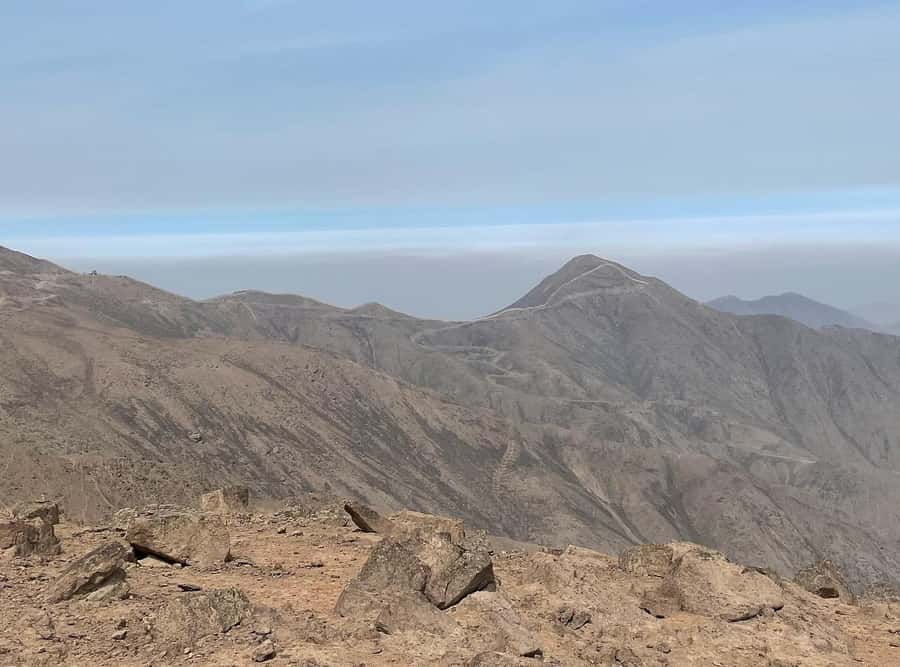
This is the core part: the smokeable Xanga ceremony. Here’s what to expect in terms of timing and physical experience.
You’ll likely experience the medicine effects for about 15 to 30 minutes. Unlike some longer Ayahuasca sessions, this gives you a quicker window for whatever insights or emotional movement you experience, and then a faster return toward baseline.
You’re also welcome to journey various times during the ceremony. That can be helpful if you feel you didn’t fully “connect” during the first round. It’s also a good option if you want a measured approach rather than all-at-once intensity.
The big practical difference people highlight is how much less likely Xanga is to cause nausea, vomiting, or other undesired effects. For some people, that’s the deciding factor. You’re still doing something serious, but you’re not wrestling the kind of stomach ordeal that can make healing feel like suffering.
That said, the journey can still be intense. I’d treat intensity here as a normal feature. The difference is that the support structure helps you ride it out. If you’re anxious, Paul’s calm guidance and the controlled setting can make a big difference.
One helpful note from the experience feedback: participants reported that if it doesn’t feel right, they could step away, reset, and still enjoy fruit and the view. That’s not the same as removing the medicine entirely, but it tells me the environment has some built-in flexibility and sanity.
Integration With Fruit, Refreshments, and Therapy
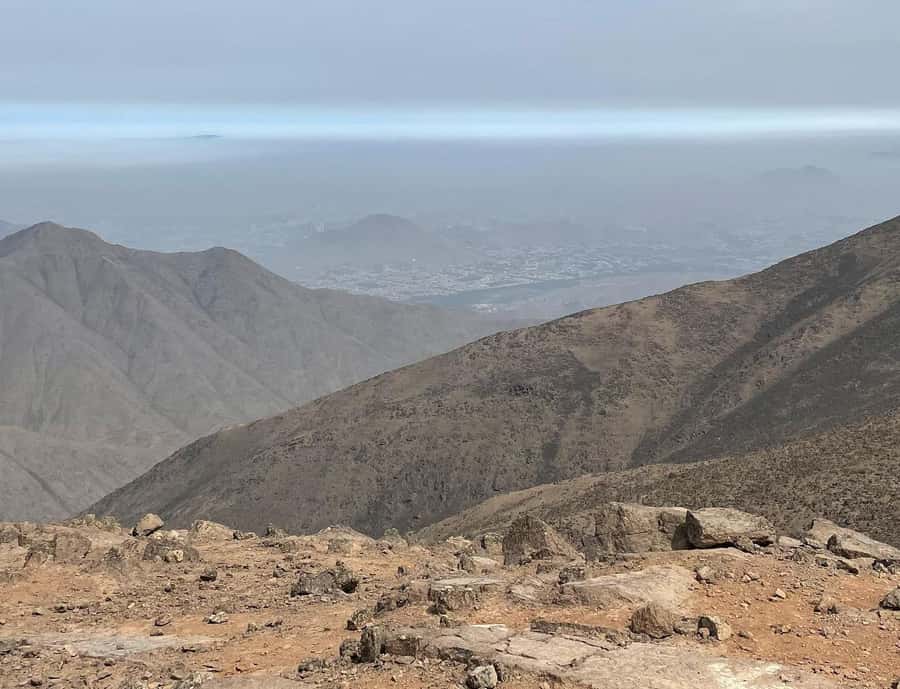
After the medicine part, you don’t just get a time stamp and sent on your way. You’ll reflect and connect after the ceremony with fruit, refreshments, and integration therapy.
This is where the travel value shows up. Healing experiences can be powerful but confusing. Integration helps you translate what you felt into something useful—without requiring you to interpret everything alone in a taxi.
People reported coming out with a deeper appreciation for life and what they have around them. Others mentioned emotional and mental shifts, including decreased anxiety 24 hours later. I can’t promise outcomes, but I can tell you the session is designed with follow-through in mind.
If you’ve ever had a moving experience and then watched it evaporate because you had no time to process, you’ll appreciate this part. It’s built into the program, not left as a suggestion.
Price, Group Size, and Real Value at $300
At $300 per person, this isn’t a cheap add-on. But it’s also not the kind of price that forces you to ignore rent and flights. The value comes from the combination: a guided, small-group ceremony in Lima, the full ritual sequence, mountain hike, and included integration support.
The small group limit (up to 4 participants) is a big deal at this price. It means Paul can give individual attention, which people repeatedly describe as tailored and supportive. That personal connection is often what separates a “tick-the-box” experience from something that actually feels like healing work.
It’s also a shorter session than drinkable Ayahuasca experiences, with the core effects lasting 15–30 minutes. That short timeline reduces travel disruption. If you’re already in Peru and want an Ayahuasca-type ceremony without committing to a full day or multi-day jungle logistics, this can feel like a smart trade.
Could someone find a cheaper option elsewhere? Possibly. But if you care about safety, structure, and not being rushed, the pricing starts to make sense.
Who This Fits Best (and Who Should Skip It)
This experience is best for you if you want a guided spiritual healing ceremony in Lima, with structured ritual elements and shorter medicine timing. It also fits if you want to try an Ayahuasca-like experience but prefer a format that’s described as far less likely to cause nausea.
It may also work for people looking for emotional release and clarity. The experience is described as supporting emotional stabilization, mental clarity, personal insights, spiritual evolution, and stronger connection with the natural world—plus assistance in breaking free from addictive behaviors.
Who should skip it is clearer: pregnant women and anyone under 18. Also, if you have health problems or you’re taking prescription medication, you should contact the provider for advice before booking.
I’d also think carefully if you have a history that makes you react strongly to mind-altering substances. Even though the ceremony includes strong support and the experience is designed to reduce nausea, it still involves a powerful internal journey.
What to Bring and How to Prepare
For what you wear and pack, follow the simple list given:
- Sun hat
- Jacket
- Comfortable clothes
Even though this is Peru’s coast region and Lima weather can vary, you’ll be outside and moving. A light jacket is a smart call, especially as the mountain air can feel cooler than you expect.
You should also follow the rules: no alcohol and no other drugs, and no alcohol or drug use for at least 48 hours before the ceremony. If you’re on prescription meds or dealing with health conditions, reach out for advice rather than guessing.
Should You Book Spiritual Healing With Xanga in Lima?
I’d recommend booking if you want a realistic, guided Ayahuasca-like spiritual healing experience that fits into a few hours, includes a full ritual sequence, and emphasizes support and integration. The mountaintop setting near Huaca de La Luna 420 adds a visual calm factor that helps you settle, and the short 15–30 minute medicine effects can make the experience easier to fit into real travel life.
I’d skip it if you’re pregnant, under 18, or if you can’t follow the 48-hour alcohol/drug rule. Also be honest about comfort with intensity: even with less nausea, this can be emotionally strong.
If you’re ready for a structured, grounded ceremony led by Paul—plus a clear path for integration—this is one of the more practical ways to try smokeable Ayahuasca in Peru without turning your trip into a whole logistical ordeal.
FAQ
Where is the meeting point for the ceremony?
You meet at Huaca de La Luna 420. The directions are given in the booking details, and you should call Paul or press the top-right button on the intercom when you’re outside the grey building with the number 420.
How long does the experience take?
The ceremony is around 3–4 hours total.
How long is the hike?
There is hiking time built into the schedule, and the ceremony is reached via a hike described as about 20 minutes up a mountain. The itinerary also includes hiking segments of about 30 minutes.
What is included besides the Xanga ceremony?
It includes a cleansing ritual (Palo Santo, white Mexican sage, sacred essences), an offering to Pachamama, a Coca ceremony, a Hapé ceremony, sound therapy, fruit and refreshments, and integration therapy.
How long do the effects of Xanga typically last?
The active experience is described as lasting about 15–30 minutes. You can journey various times during the ceremony.
Does Xanga cause nausea like drinkable Ayahuasca?
Xanga is described as rarely causing nausea, vomiting, or other undesired effects, compared with drinkable Ayahuasca.
What ingredients are used in Xanga?
It’s prepared in-house from Mimosa hostilis as the principal ingredient, along with Egyptian Blue Lotus flower, Syrian Rue, and other master plants.
What should I bring and wear?
Bring a sun hat, a jacket, and wear comfortable clothes.
Who is this ceremony not suitable for?
It is not suitable for pregnant women or children under 18 years.
Is alcohol and drug use allowed before the ceremony?
No. Alcohol and drugs are not allowed, and you should not have consumed alcohol or other drugs for at least 48 hours prior to the ceremony.
More Tour Reviews in Lima
- Lima: Ultimate Peruvian Food Tour
★ 4.9 · 700 reviews - Full Day Paracas Ica and Huacachina from Lima All Included
★ 4.5 · 623 reviews - Lima’s Vibrant Heritage: Exploring the City’s Landmarks Half-day
★ 4.5 · 581 reviews - From Lima: Day trip to Paracas, Ica and Oasis Huacachina
★ 4.6 · 409 reviews - Private transfers from Lima Airport or to Lima Airport
★ 4.0 · 359 reviews
More Local Lima
- Lima Off the Beaten Path: Local Communities and Cultural Immersion
★ 5.0 · 41 reviews - Half-Day Local Communities and Social Tour in Lima
★ 5.0 · 40 reviews - Lima: Villa El Salvador Shanty Town Tour
★ 5.0 · 3 reviews - Lima: Shanty Town Exploration
★ 5.0 · 3 reviews
Fresh from our Lima notebook, a few recent write-ups
Off the Beaten Path & Local Life, compared.
 ★ 5.0Lima Off the Beaten Path: Local Communities and Cultural ImmersionFrom $18641 reviews
 ★ 5.0Half-Day Local Communities and Social Tour in LimaFrom $18240 reviews
 ★ 5.0Shanty Town ExplorationFrom $793 reviews
 ★ 5.0Villa El Salvador Shanty Town TourFrom $613 reviews
Browse the lists this tour appears in