
Reviewed · OFF THE BEATEN PATH & LOCAL LIFE
Lima: Villa El Salvador Shanty Town Tour
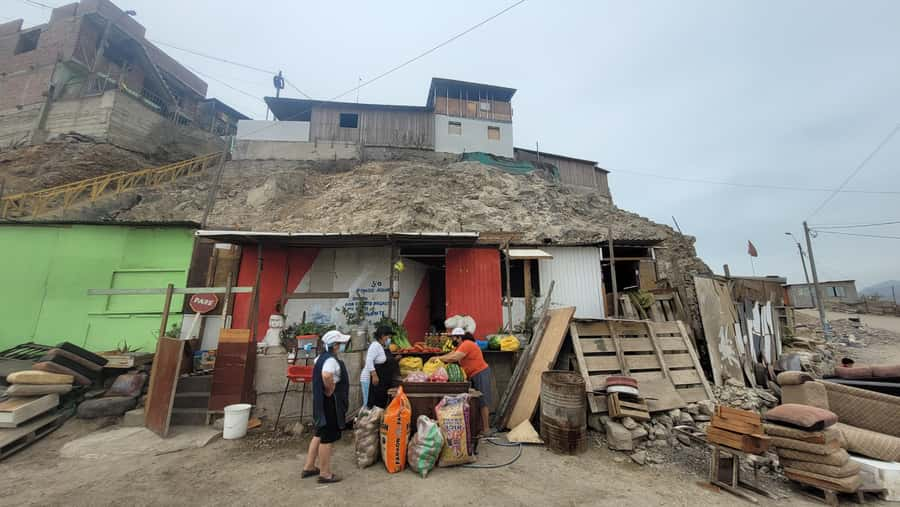
A hill, stairs, and real conversations. That’s the feel of this Villa El Salvador shanty town tour, a smart way to see Lima’s other side beyond the usual sights. I like that you’re guided by local-focused storytellers and taken to places that explain how this community grew from 1971 into a working district. You’ll get panoramic views over Lima, the Valley of Lurín, and the Pacific too, which makes the walking portions feel worth it.
The best part is the human angle: you spend time meeting neighbors and seeing everyday life up close, including a community kitchen and school/kindergarten time depending on the day. One consideration: you need to be comfortable climbing and descending stairs, and it’s not suitable for wheelchair users.
In This Review
- Key things you’ll notice on this Villa El Salvador tour
- Villa El Salvador: why it’s a meaningful Lima side-trip
- Getting picked up in Miraflores, Barranco, or San Isidro
- Van ride timing and the pace of the walk
- Yellow stairs and the hill-walk story your guide will explain
- The panoramic payoff: Lima, Lurín Valley, and the Pacific
- Home visits and market time: seeing daily life without turning it into a show
- Community kitchen: a stop that changes how you think about needs
- School and kindergarten timing: Monday to Friday vs weekends
- Food, water, and what to pack for the day
- Price and value: what $61 buys you in real terms
- Who should book this tour, and who should skip it
- Should you book the Lima Villa El Salvador Shanty Town Tour?
- FAQ
- How long is the Villa El Salvador shanty town tour?
- Where are the pickup and drop-off locations?
- Is food included in the price?
- What languages are the guides?
- How big is the group?
- Do I need to be able to climb stairs?
- What should I bring with me?
Key things you’ll notice on this Villa El Salvador tour
- Small group, more conversation: Limited to 8 participants, so you’re not lost in a crowd.
- A guided community walkthrough: Your leader explains the systems and history as you get closer to the bottom of the hill.
- Yellow stairs and improved access: An urban project detail you’ll actually see and understand.
- Big views with real context: Lima city views plus the Lurín Valley and the Pacific Ocean from higher ground.
- Daily-life stops: Market time, home visits, and a community kitchen feeding people every day.
- School timing changes by day: Kindergarten visits run Monday to Friday; weekends shift to children playing in the streets.
Villa El Salvador: why it’s a meaningful Lima side-trip
This tour takes you about 16 miles south of central Lima to Villa El Salvador, a district with roots as a human settlement starting in 1971. Families arrived without basics like water, drainage, or electricity, then—over time—an urbanization plan helped shape the place into something more stable and connected.
What makes this more than a “see a neighborhood” outing is the way the story is tied to what you’ll actually encounter: the hill walk, the urban project steps, and the community spaces like schools and kitchens. It’s not only about geography. It’s about how residents organize, adapt, and keep daily life going while the city around them keeps changing.
You’ll also get a helpful comparison in the guide’s explanation, since Villa El Salvador is often discussed alongside other Lima shantytowns that grew into full districts, like San Juan de Lurigancho and Villa Maria del Triunfo. That context helps you see patterns, not just one-off poverty.
More walks through everyday Lima barrios



Getting picked up in Miraflores, Barranco, or San Isidro
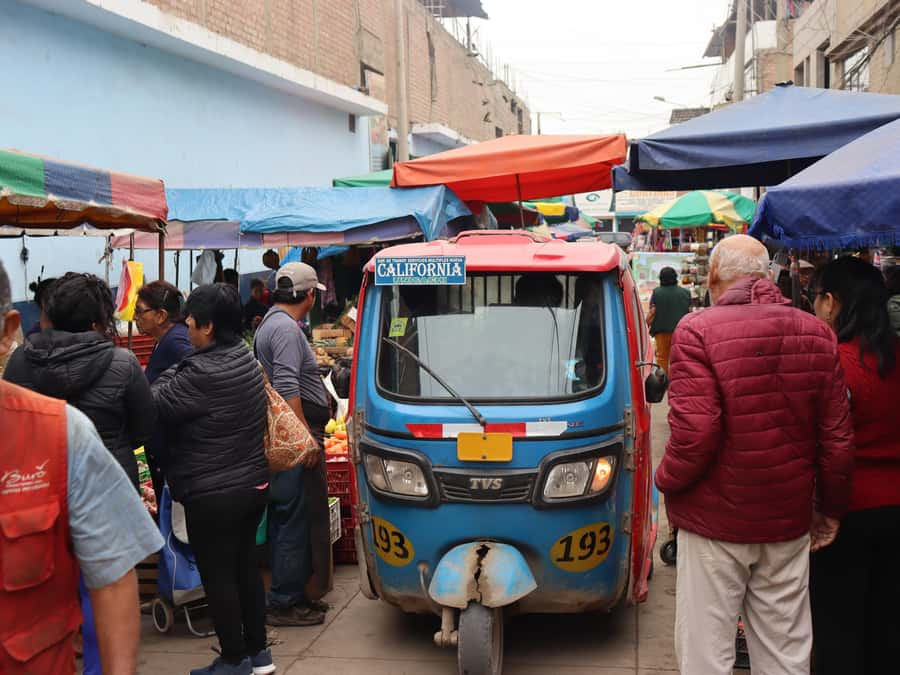
The tour starts with hotel pickup in Lima’s Miraflores, Barranco, and San Isidro districts. From there, you ride by van for about 45 minutes to Villa El Salvador. For first-timers, that time in the car matters: it lowers the mental load so you arrive ready to focus on the neighborhood itself.
Your van trip also acts like a transition from Lima’s tourist lanes to local daily rhythm. You’ll likely notice the scenery shift as you head farther south, and that’s useful because the tour’s themes—community development and city planning—make more sense when you’re already physically moving away from the center.
This is a small-group format, so you’re not juggling dozens of different questions. If you prefer a tour where your guide can actually talk with you (and not just at you), this setup fits.
Van ride timing and the pace of the walk
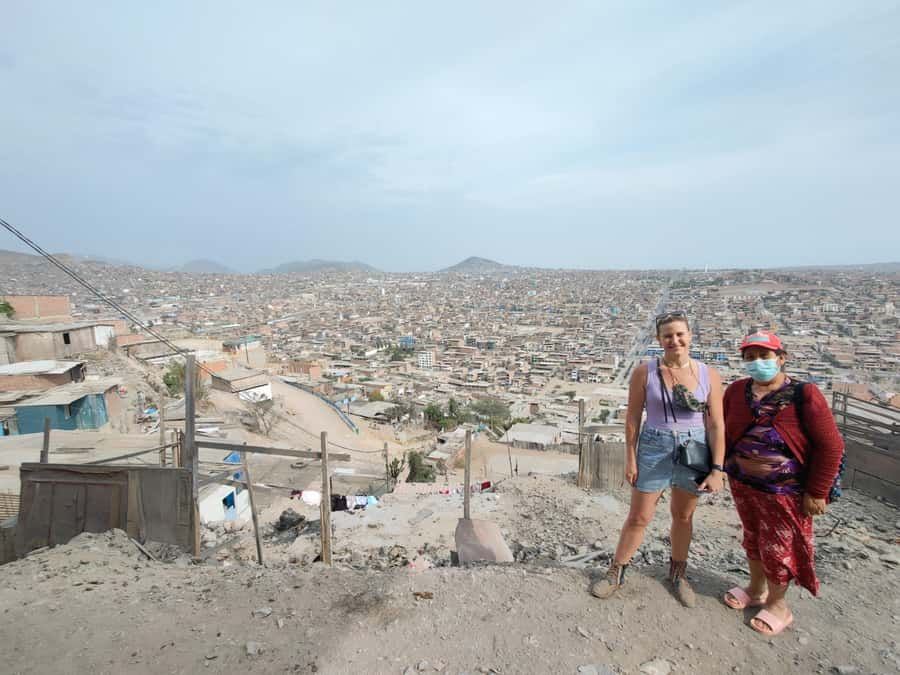
After pickup, you reach Villa El Salvador and then switch from driving to walking. The on-foot portion is about 70 minutes, led and guided throughout. The total tour time is roughly 210 minutes, with another 45-minute van ride back to your drop-off areas in Miraflores, San Isidro, and Barranco.
The pace is practical: you’re walking downhill and uphill sections as the guide explains how the community works. That matters because you’ll want energy for the stairs, especially near the yellow stairs area where access improvements are part of the story.
If you don’t like strenuous walks, consider this carefully. It’s doable for many people, but you should go with comfortable clothes and shoes made for uneven, real-world surfaces.
Yellow stairs and the hill-walk story your guide will explain
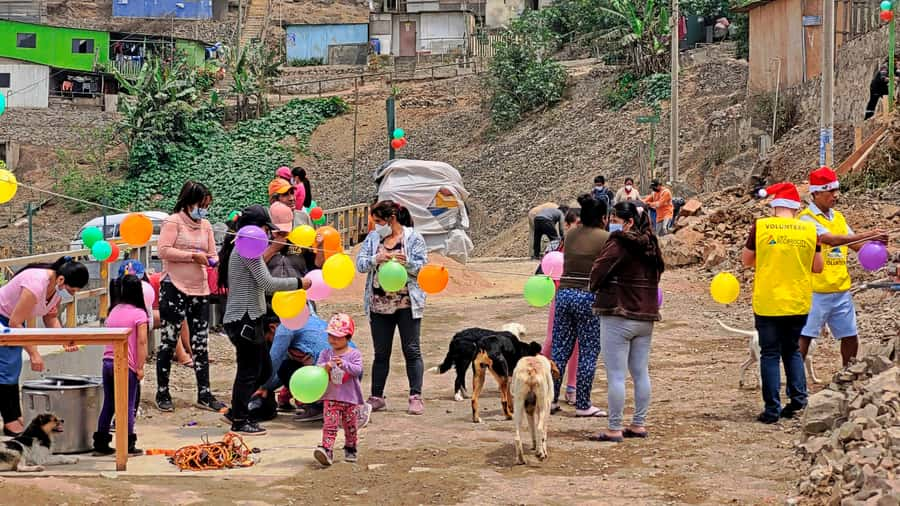
One of the most specific parts of this experience is reaching the yellow stairs, part of an urban project designed to improve access to homes. It’s not just a photo stop. Your guide uses this moment to explain why infrastructure matters when a place grows fast and residents have to solve problems together.
As you get closer toward the bottom of the hill, you’ll hear about the community system and history, plus how local life connects to politics and religion. That’s the kind of background that often gets skipped on quick neighborhood tours, and it’s exactly what helps you understand what you’re seeing.
Guides also set expectations early on. In the guide’s approach, you’ll see the emphasis on meaning, not spectacle. For example, names you might hear from the experience include Maverick and Leonardo, who are described as passionate about explaining how and why the community was built and by whom. Another guide name you may come across is Nataly, with an approach that prioritizes real interaction with residents rather than just walking-by and listening.
- Lima: Ultimate Peruvian Food Tour★ 4.9 · 700 reviews
- Full Day Paracas Ica and Huacachina from Lima All Included★ 4.5 · 623 reviews
- From Lima: Day trip to Paracas, Ica and Oasis Huacachina★ 4.6 · 409 reviews
- Private transfers from Lima Airport or to Lima Airport★ 4.0 · 359 reviews
The panoramic payoff: Lima, Lurín Valley, and the Pacific

Once you’re higher up, you’ll have time to take panoramic pictures—and the payoff is real. The views aren’t generic city shots; the guide’s explanations help you see what you’re looking at and why it matters for understanding the district’s location within Lima.
You’ll be able to frame the city of Lima below, and also look toward the Valley of Lurín and the Pacific Ocean. That combination gives you a bigger mental map of the region, which is great if your other Lima days feel focused on beaches, museums, or the historic center.
Bring sunglasses and sunscreen, because even when the tour is about community, you’ll still be exposed outdoors. Also, if you’re taking photos, keep your phone ready, but don’t let the camera steal the moment. The view is the reward for walking, not a replacement for the conversation.
Home visits and market time: seeing daily life without turning it into a show
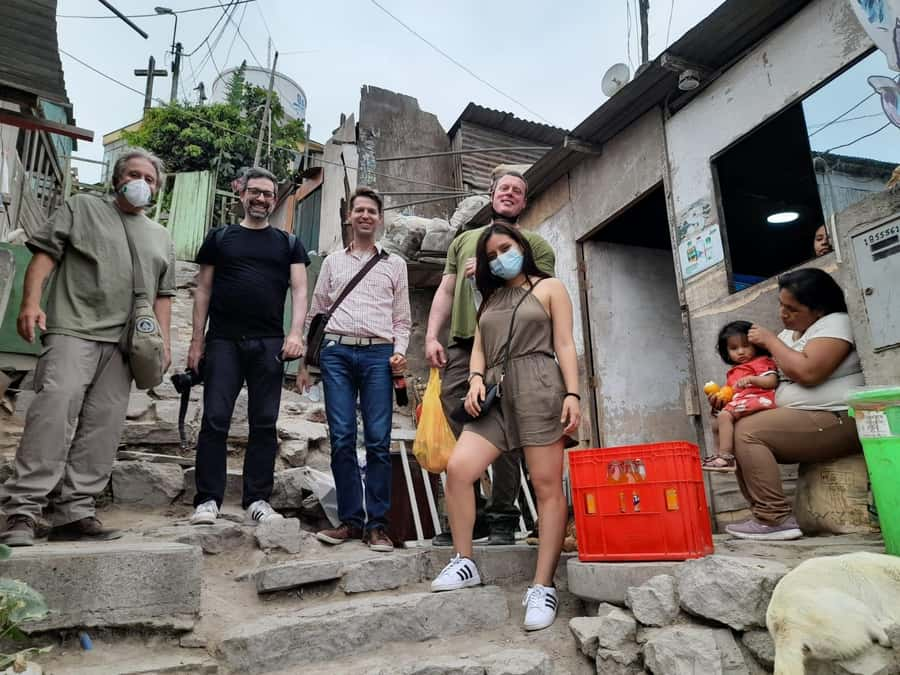
This tour is built around interaction. You’ll visit houses and have a chance to meet neighbors, take pictures with them if appropriate, and see families living in their own spaces. That’s the difference between a quick pass-through and something more human.
I like this approach because it changes the emotional temperature of the day. You’re still learning history and systems, but you’re also connecting to people who have a voice in how the place is understood. It’s also practical: you learn more from the way residents explain their routines than from any brochure-style talking points.
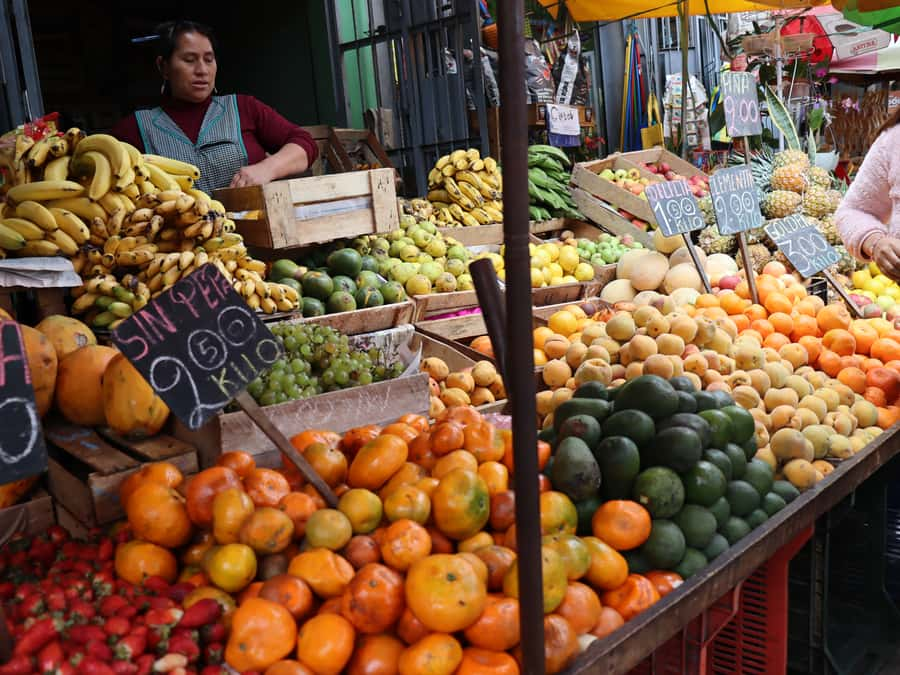
You’ll also visit a local market to see basic products. This is where daily life becomes visible in small choices—what’s available, how people shop, and how the community organizes around ordinary needs.
You should keep your expectations grounded. This isn’t a luxury market and it’s not a curated craft stop. But if you want authentic street-level understanding, it’s one of the more valuable parts of the schedule.
Community kitchen: a stop that changes how you think about needs
One of the most serious stops on the tour is a visit to a community kitchen, where people without resources get fed every day. This is the kind of place that reframes your sense of what a neighborhood tour can teach you.
Instead of focusing only on scarcity, the kitchen stop shows organized support operating consistently. Your guide can explain why it exists and how it fits into the community’s broader self-reliance.
Because this part touches on need, you’ll want to be respectful with your questions and your camera use. It helps to travel with a calm attitude and remember that you’re visiting people’s work, not a staged attraction.
School and kindergarten timing: Monday to Friday vs weekends
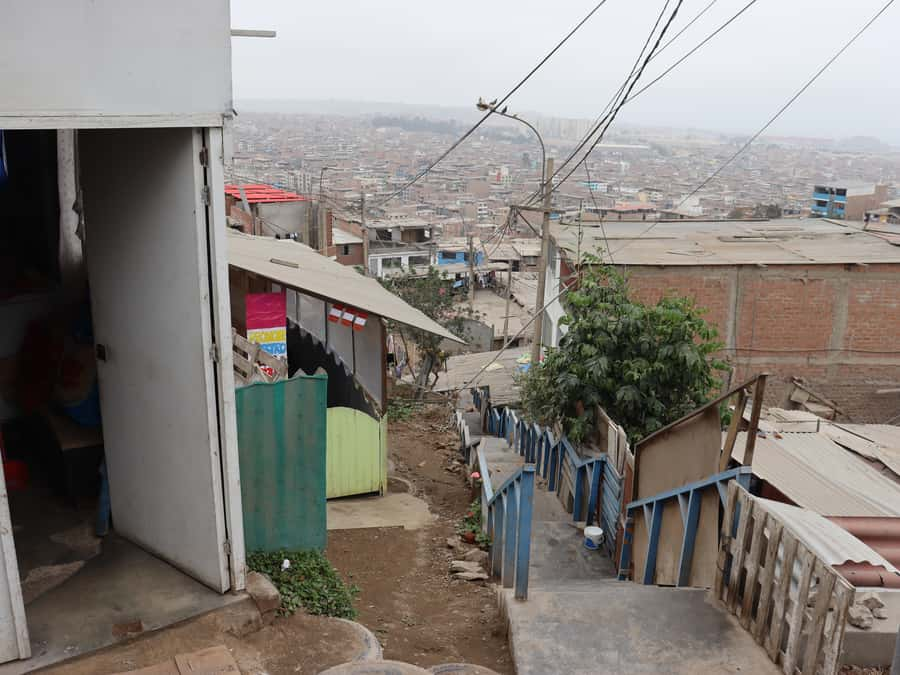
The tour includes a kindergarten visit, but timing matters. It’s available Monday through Friday only. On weekends, the program shifts, and you’ll meet children while they play in the streets instead.
That difference matters for two reasons. First, it changes what you’ll see: a school environment is more structured; weekend street play is more spontaneous. Second, it affects the tone of the interactions, and your guide will help you understand what’s appropriate and what you’re allowed to observe.
This is also where the small-group size really helps. With only up to 8 people, the guide can manage the flow so the kids and families aren’t overwhelmed.
If you’re traveling with kids yourself, this can be a meaningful way to show them that community life includes education and play, not just architecture and streets.
Food, water, and what to pack for the day
Food and drinks are not included, so plan to bring your own water. Even with shade in some spots, you’ll be outdoors walking and standing for viewpoints.
What to bring is simple but important:
- sunglasses and sunscreen
- hat and comfortable clothes
- water
- passport (a copy is accepted)
Also, think about shoes. You’ll be walking with stairs involved, and the tour requires that you can climb and descend. If stairs make you nervous, try to decide before you book. It’s not a sit-and-watch itinerary.
Price and value: what $61 buys you in real terms
At $61 per person for about 3.5 hours, this tour can feel like a strong value—especially because it includes more than just a guide.
What’s included:
- round-trip transfer to your hotel (from centrally located districts)
- a professional guide in English and Spanish
- tolls and parking
What’s not included:
- food and drinks
For many visitors, the cost lands in a good place because you’re paying for local knowledge and transport, plus the structure that takes you to multiple community spaces: houses, a local market, a community kitchen, and school/kindergarten access depending on the day.
The small group also matters here. If you’ve ever been on a large tour where the guide can’t slow down for real questions, you know why this format is worth something. With only 8 participants, you’re more likely to actually talk, not just listen.
Who should book this tour, and who should skip it
You’ll probably enjoy this tour if you want to understand Lima through people, not only through monuments. It’s a great match for travelers who like walking tours with an educational focus and who don’t mind a bit of physical effort.
It’s also a smart choice if you care about how cities grow. The tour spends time on the systems behind the district and the reasons Villa El Salvador developed the way it did.
Skip it if you:
- can’t handle climbing and descending stairs
- want a fully seated, low-walking experience
- expect a typical tourist-friendly neighborhood loop with mostly sightseeing from the sidewalk
Should you book the Lima Villa El Salvador Shanty Town Tour?
Yes, if you want a small-group look at Lima’s development story with real community access. The strongest reasons to book are the guided context (history and how the community system works), the interaction-focused approach, and the practical payoff of the panoramic views.
Before you go, check your comfort with stairs and plan for water since food isn’t included. If that physical piece works for you, this tour is one of the more meaningful ways to understand Lima beyond the usual route.
FAQ
How long is the Villa El Salvador shanty town tour?
The tour lasts about 210 minutes, including hotel pickup and drop-off time.
Where are the pickup and drop-off locations?
Pickup and drop-off are in Lima’s Miraflores, Barranco, and San Isidro districts.
Is food included in the price?
No. Food and drinks are not included, so you’ll want to bring water.
What languages are the guides?
The tour includes a live guide in English and Spanish.
How big is the group?
It’s a small group limited to 8 participants.
Do I need to be able to climb stairs?
Yes. You must be able to climb and descend stairs, and the tour is not suitable for wheelchair users.
What should I bring with me?
Bring sunglasses, sunscreen, passport (a copy is accepted), comfortable clothes, water, and a hat.
More Tours in Lima
- Lima: Ultimate Peruvian Food Tour
★ 4.9 · 700 reviews - Lima: Paracas and the Huacachina Oasis Guided Day Tour
★ 4.5 · 354 reviews - Lima: Pachacamac Ruins & Barranco Half-Day Guided Tour
★ 4.6 · 296 reviews - Pre Inca Temple of Pachacamac Half-Day Tour from Lima
★ 4.5 · 283 reviews - Lima: Magic Water Circuit Light Show Tour with Pickup
★ 4.9 · 251 reviews
More Tour Reviews in Lima
- Lima: Ultimate Peruvian Food Tour
★ 4.9 · 700 reviews - Full Day Paracas Ica and Huacachina from Lima All Included
★ 4.5 · 623 reviews - Lima’s Vibrant Heritage: Exploring the City’s Landmarks Half-day
★ 4.5 · 581 reviews - From Lima: Day trip to Paracas, Ica and Oasis Huacachina
★ 4.6 · 409 reviews - Private transfers from Lima Airport or to Lima Airport
★ 4.0 · 359 reviews
More Local Lima
- Lima Off the Beaten Path: Local Communities and Cultural Immersion
★ 5.0 · 41 reviews - Half-Day Local Communities and Social Tour in Lima
★ 5.0 · 40 reviews - Lima: Spiritual Healing with Xanga – The Smokeable Ayahuasca
★ 5.0 · 8 reviews - Lima: Shanty Town Exploration
★ 5.0 · 3 reviews
Fresh from our Lima notebook, a few recent write-ups



Off the Beaten Path & Local Life, compared.
 ★ 5.0Lima Off the Beaten Path: Local Communities and Cultural ImmersionFrom $18641 reviews
 ★ 5.0Half-Day Local Communities and Social Tour in LimaFrom $18240 reviews
 ★ 5.0Spiritual Healing with Xanga – The Smokeable AyahuascaFrom $3008 reviews
 ★ 5.0Shanty Town ExplorationFrom $793 reviews
Browse the lists this tour appears in