
Reviewed · MULTI-DAY PERU TRIPS FROM LIMA
Cusco: Chonta Canyon and Condor Flight Tour with Lunch
Seeing an Andean condor glide over Chonta Canyon is the kind of nature moment you remember for years, and the tour is built around maximizing your chances to spot one. I like how the day mixes archaeology (Killarumiyoq and Tarawasi) with real-world condor viewing, so you’re not just sitting and waiting. One thing to consider: this is a full 12-hour day with a hike and viewpoints, and it isn’t a good fit if you’re sensitive to heights or have mobility or heart concerns.
The second big reason I’d do this tour again is the way the viewing is handled. You get guided stops, camouflage vests, and time at three canyon viewpoints—plus the chance to watch birds for a couple hours rather than a quick peek and run.
In This Review
- Key points worth your attention
- Cusco Condor Day Plan: What 12 Hours Feels Like
- From Centro Histórico to the Visitor Center: The Morning Setup
- Killarumiyoq: Archaeology Built for Watching the Sky
- Tarawasi Near Limatambo: A Ceremonial Platform Still Doing Its Job
- Limatambo Break and Lunch: Fuel You’ll Appreciate Later
- Huayronka Bridge Detour and the Ascent: Why You Earn the View
- Chonta Village to the Canyon: Hike Time and View Pressure
- Condor Viewing at the Three Lookouts: What Makes It Work
- Getting Back to Cusco: The Evening Finish
- Price and Value: Is $150 Worth It?
- What’s Included (and What You’ll Still Need)
- Who This Tour Fits Best
- Should You Book Chonta Canyon and Condor Flight With Lunch?
- FAQ
- What time does the tour start and end?
- Where do I get picked up in Cusco?
- Is lunch included?
- Are entrance tickets included?
- What languages are the guides?
- Is this tour private?
- What should I bring for the day?
Key points worth your attention
- Camouflage vests are provided to help you blend in during condor viewing
- Two archaeological stops include Killarumiyoq and Tarawasi, with ceremonial-platform context at Tarawasi
- Chonta village lunch gives you a real break in the middle of the day
- Three canyon viewpoints mean better odds and more photo angles
- A long, scenic ascent on the way to the village supports the day’s best vantage points
- Safety gear on board includes a first aid kit and an oxygen balloon
Cusco Condor Day Plan: What 12 Hours Feels Like
This is a serious day trip—about 12 hours, starting around 7:00 AM and wrapping up around 7:00 PM. Expect multiple vehicle legs, guided walks, and a later return to Cusco (drop-off is near the main square or at your hotel). If you like your travel days with a clear rhythm—drive, stop, hike, eat, hike again—this one fits.
The tour is a private group, which tends to make logistics smoother, especially when you’re trying to keep everyone together at viewpoints. The day also runs on a plan: condors aren’t an afterthought. The itinerary is basically designed to get you to the right spots and then stay there long enough to make it worth it.
From Centro Histórico to the Visitor Center: The Morning Setup
Pickup starts in Cusco’s Centro Histórico. You’ll meet your driver/guide and head out by van, with a ride that lasts roughly 2.5 hours. This morning drive isn’t just transit time; it’s part of the experience because you’re moving through Andean countryside toward the condor area.
After that, you’ll stop at a visitor center for about an hour. Here, you get guided orientation and scenic views along the way. This is one of those times when paying attention matters—you’ll be learning how to look for condors and what to expect in the area so the rest of the day feels intentional instead of random.
Killarumiyoq: Archaeology Built for Watching the Sky
Your first major stop is Killarumiyoq, an archaeo-astronomical site in Anta. You’ll have around an hour here with a guided tour, and the point isn’t just to look at stones—it’s to understand how the site relates to the sky and observation.
Why I think this stop works well before the condors: it sets your brain into viewing mode. After Killarumiyoq, you’re more likely to notice patterns—where birds might circle, how wind can push flight paths, and why certain vantage points matter. If you like archaeology with a practical connection to the environment, this is a good match for your day.
One practical note: entry tickets for Killarumiyoq are not included. The tour lists 20 USD per person for entrance tickets covering Killarumiyoq, Tarawasi, and Chonta Canyon. Budget for that so you’re not scrambling later.
Tarawasi Near Limatambo: A Ceremonial Platform Still Doing Its Job
Next you head to Tarawasi, near Limatambo, and you’ll get a guided visit after another van segment (about 1 hour). Tarawasi is home to one of the few remaining Andean ceremonial platforms, known as the Usno, used for rituals.
This is the kind of stop that adds depth without turning the day into a lecture marathon. The guide’s role matters here, because you’re seeing a functional ritual structure in a place where it makes sense to wonder how people worked with the landscape and sky. It’s also a nice contrast to the condor portion—you’re seeing the human side of observation.
Again, entrance tickets for Tarawasi are not included. Also, plan for some uneven ground and standing time, since you’ll be exploring with the group at a historical site.
Limatambo Break and Lunch: Fuel You’ll Appreciate Later
You’ll reach Limatambo for a break and lunch, with about an hour allotted for that. Lunch is included, and in my experience the most valuable part of a mid-tour meal is not just the food—it’s the chance to reset your energy before the day’s more physical segment.
During this part of the day, you’ll want to drink water and use the bathroom if there’s an opportunity. The tour doesn’t list water and snacks as included, so if you tend to get thirsty during long days, you’ll be glad you brought water and snacks as recommended.
Huayronka Bridge Detour and the Ascent: Why You Earn the View
After lunch, the plan takes you toward the Huayronka Bridge, with a scenic detour that includes about an hour-long ascent through Andean surroundings. This is where the tour starts feeling like an active excursion, not just sightseeing.
That ascent also makes sense with the condor goal: viewpoints matter. Even if you’re not a “hike person,” this segment is short enough to be manageable for many travelers, but it’s still real elevation effort—so bring warm layers and take your time. The tour recommends warm clothing and comfortable shoes, and I’d listen. Morning and altitude can be cool fast.
Chonta Village to the Canyon: Hike Time and View Pressure
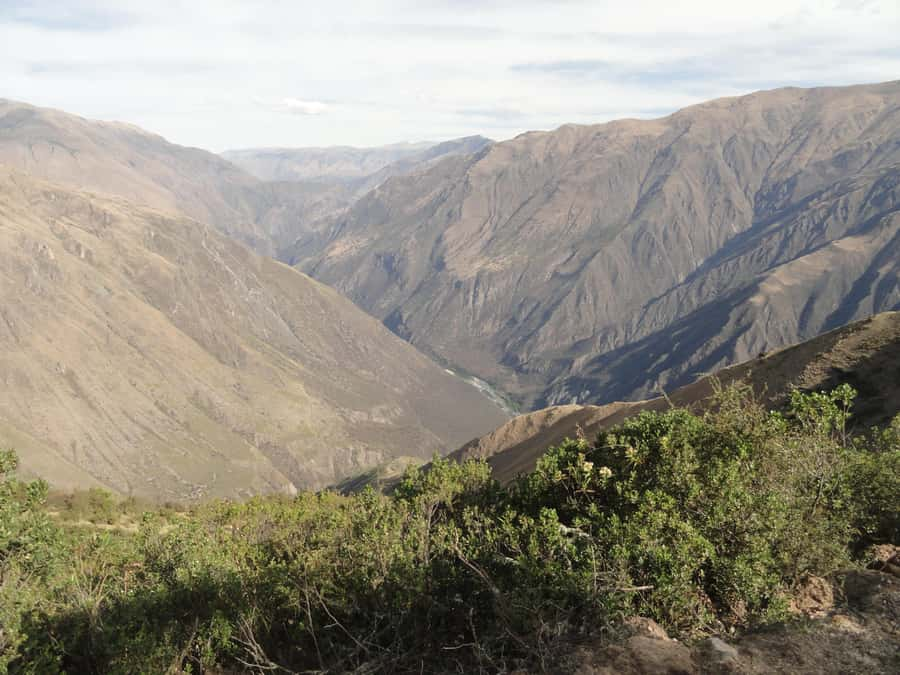
Once you reach the village of Chonta, you’ll continue with a 50-minute hike toward the three viewpoints in Chonta Canyon. This is the part of the day where your “pace” matters more than your fitness level—because you want to arrive with enough energy to stand around, watch, and take photos.
When you reach the canyon viewpoints, you’ll spend about two hours admiring and photographing the flight of the condor. The guide’s job is key here: condors don’t show up on a schedule, so you want someone who can point out where to look and how to read the flight behavior.
You’ll also be given camouflage vests, which tells you this isn’t a casual “walk up and hope” situation. The idea is to reduce visual distraction so the birds keep doing their thing.
Condor Viewing at the Three Lookouts: What Makes It Work
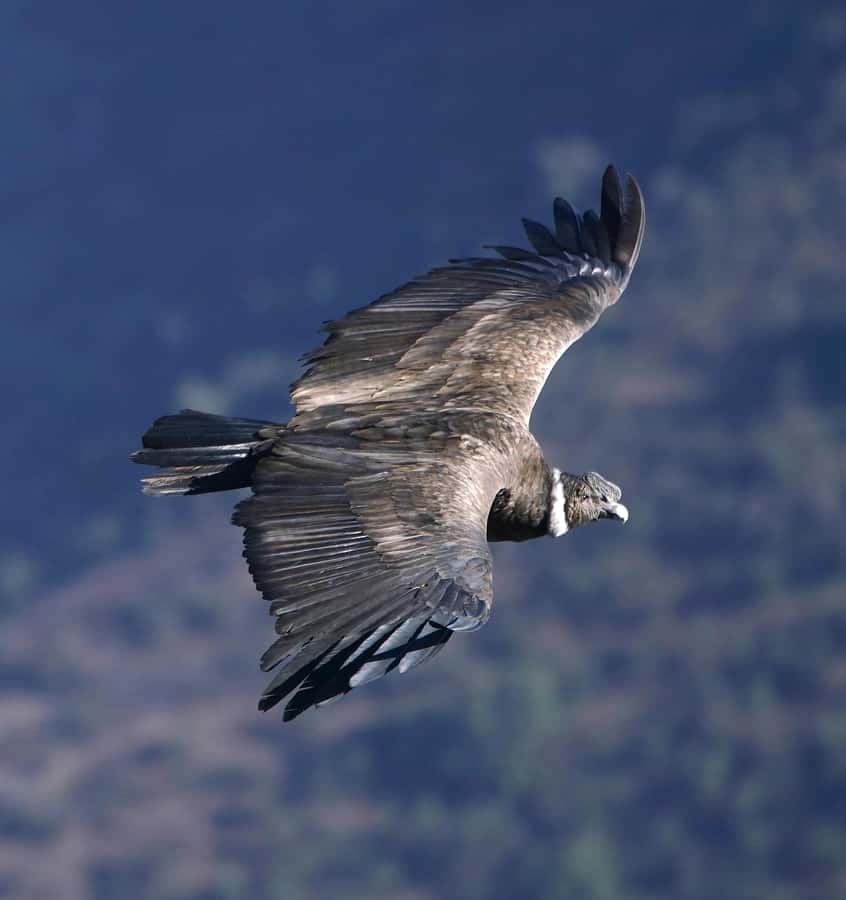
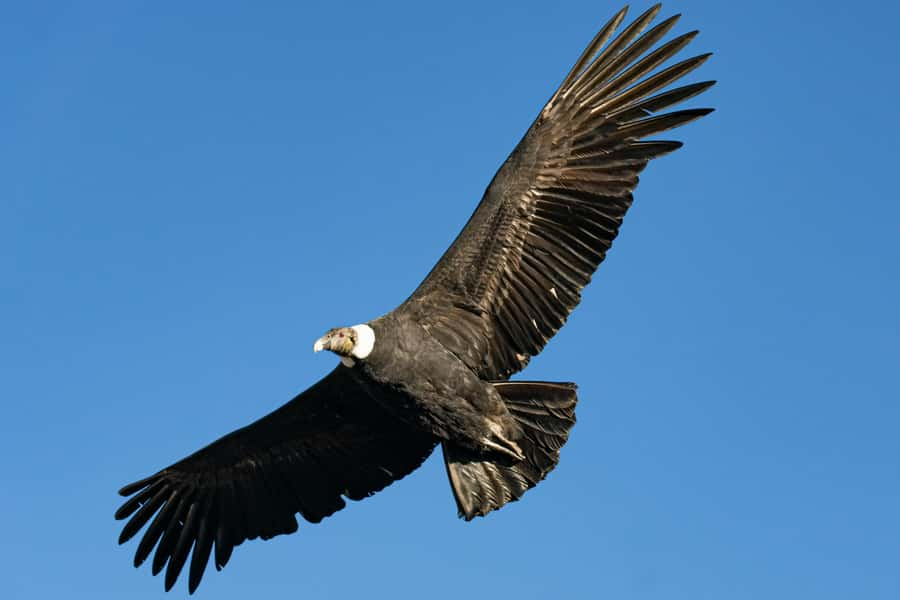
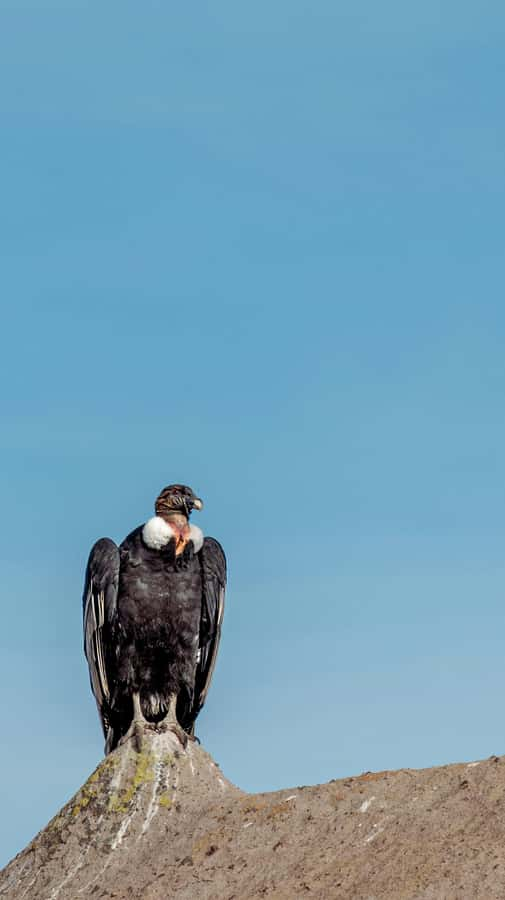
This is the heart of the tour: watching Andean condors in Chonta Canyon as they soar. The schedule is built for patience. Instead of being rushed through a single viewpoint, you get multiple lookouts and a long viewing window at the viewpoints.
One detail from past guests is especially encouraging: with the guide Rafael, the group was able to observe multiple condors, sometimes from surprisingly close distances, and for hours at a time. That aligns with the structure here—meaning the tour isn’t just about arrival, it’s about staying in place long enough for real sightings.
To make the viewing better, think like a bird watcher for the day. You’ll get the most out of this if you bring a camera you feel comfortable using for birds in flight and if you dress to stand still in cool air. Also, watch your group’s timing. If someone lags behind at a viewpoint, you can lose the prime moment.
If you’re afraid of heights or have vertigo, I’d take that as a hard no. The tour specifically notes these conditions as not suitable, and canyon viewpoints are exactly the kind of environment that can make those issues flare up.
Getting Back to Cusco: The Evening Finish
After the condor viewing, you’ll head back to the town of Chonta, where your transport will be waiting. Then you drive back to Cusco, aiming to arrive around 7:00 PM.
This return timing matters because it helps you plan your evening. You won’t have a long window for dinner reservations that require a lot of flexibility. If you like calm nights, plan to eat near where you’re staying once you’re dropped off near the main square or your hotel.
Price and Value: Is $150 Worth It?
At $150 per person, this tour sits in the “worth it if you care about the main goal” category. Your value comes from three places:
1) Guided condor viewing with a long window at viewpoints
2) Two archaeological sites included in the itinerary (Killarumiyoq and Tarawasi)
3) Lunch in Chonta plus transportation and a professional driver
What’s not included is important: entrance tickets for Killarumiyoq, Tarawasi, and Chonta Canyon are 20 USD per person. If you total that up, you’ll have a clearer sense of the real budget.
Compared with cheaper outings that rush through viewpoints, the two-hour viewing block and multiple lookouts are the big difference. If you want condors rather than a quick look, you’re paying for time on-site and guidance.
What’s Included (and What You’ll Still Need)
Here’s what you’re covered for:
- Hotel pickup from the city center (Centro Histórico)
- Professional guide in Spanish and English
- Transportation with a professional driver
- Camouflage vests
- Lunch
- First aid kit and oxygen balloon
And here’s what you should bring because it’s not included:
- Water and snacks
- Comfortable shoes
- Warm clothing
- Hat
- Sunscreen
- Camera
- Cash (useful for entrance tickets and small purchases)
Also, the tour lists what’s not allowed: pets, oversize luggage, smoking, littering, and alcoholic drinks in the vehicle, plus touching plants. Keep it simple and you’ll have a smoother day.
Who This Tour Fits Best
This is ideal if you:
- Want a real shot at condors with guided viewing and time to watch
- Enjoy a day that blends archaeology and nature
- Like having a clear structure—multiple stops, guided walking, and a scheduled lunch break
It’s not a good fit if you:
- Are pregnant
- Have mobility impairments
- Have heart problems
- Fear heights or have vertigo
- Can’t comfortably handle a 50-minute hike plus standing at viewpoints
If you’re unsure about fitness, think about how you handle long walking days at altitude. This tour asks you to do a bit of moving, then stay still for hours.
Should You Book Chonta Canyon and Condor Flight With Lunch?
I’d book this tour if your top priority is seeing Andean condors in a place designed for it, and you want more than a one-note excursion. The combination of guided archaeology, an included lunch, and a long viewing window makes the day feel full, not padded.
Don’t book it if you’re uncomfortable with uneven ground, standing for long periods, or canyon-height viewpoints. Also, budget for the entrance tickets since they’re not included in the base price.
If you show up dressed for altitude and prepared to wait calmly, you’ll get the best version of this day: a guided push to the right spots, then time to watch condors do what they do best—ride the air like it’s meant for them.
FAQ
What time does the tour start and end?
The tour starts around 7:00 AM and ends around 7:00 PM (with drop-off near the main square or at your hotel).
Where do I get picked up in Cusco?
Pickup is from the Centro Histórico area. Your pickup point must be in the city center, otherwise the meeting point will be the Main Square.
Is lunch included?
Yes. Lunch is included, with a break in Limatambo for about one hour.
Are entrance tickets included?
No. Entrance tickets for Killarumiyoq, Tarawasi, and Chonta Canyon are not included and cost 20 USD per person.
What languages are the guides?
The professional guide speaks Spanish and English.
Is this tour private?
Yes, the group type is listed as a private group.
What should I bring for the day?
Bring comfortable shoes, warm clothing, hat, camera, snacks, sunscreen, water, and cash.
Multi-Day Peru Trips from Lima, compared.
 ★ 5.08-Days Best of The Inca Empire from LimaFrom $1,454114 reviews
 ★ 5.07 Day Peru Private JourneyFrom $1,63071 reviews
 ★ 5.010-Day Taste Peru Experience: Lima, Nasca, Cusco & Machu PicchuFrom $2,00563 reviews
 ★ 5.07 Days: Lima, Ica, Cusco & Machupicchu with local flightsFrom $2,59952 reviews
 ★ 5.08-Days Peru, The Rise of the Inca EmpireFrom $1,28049 reviews
 ★ 5.08-Day Enigmas of PeruFrom $1,54149 reviews
 ★ 5.08-Day Peru Ancestral EnergiesFrom $1,26447 reviews
 ★ 5.0Machu Picchu, Cusco & Lima 7-Day TourFrom $1,31130 reviews
Browse the lists this tour appears in